🌸 Why Italian Heather Is Not an Annual
Erica x darleyensis
By the Greg Editorial Team
Oct 04, 2024•3 min read
This article was created with the help of AI so we can cover more plants for you. May contain errors. See one? Report it here.
Cultivate resilient Italian Heather 🌿 for a vibrant, low-maintenance garden that flourishes year after year!
- 🌱 Italian Heather is a perennial, thriving year after year with proper care.
- 🌼 Blooms from late summer to fall, attracting pollinators and enhancing garden beauty.
- 🌍 Adaptable to various climates, Italian Heather requires well-drained, acidic soil for optimal growth.
Italian Heather's Perennial Nature
🌱 Genetic Characteristics
Italian Heather, scientifically known as Erica cinerea, is classified as a perennial plant. Its genetic adaptations allow it to thrive year after year, showcasing resilience against various environmental stressors.
🌿 Physiological Traits Supporting Perennial Growth
The root system of Italian Heather is deep and extensive, anchoring it firmly in the soil. This robust structure, combined with leaf adaptations for moisture retention, supports its growth through varying conditions.
📅 Long-Term Lifecycle and Growth Patterns
Typically, Italian Heather has a lifespan of several years, characterized by seasonal regrowth. Its compact growth habit features seasonal flowering, with distinct dormancy in winter and active growth in spring and summer.
🌼 Reproductive Strategies
🌸 Flowering Cycles
Italian Heather blooms from late summer to early fall, with flowering lasting several weeks. This period is crucial for attracting pollinators, and climate can significantly influence the timing of these cycles.
🌱 Seed Production Compared to Annuals
The plant employs unique seed production mechanisms, relying on dormancy and specific germination triggers. Unlike annuals, Italian Heather produces fewer seeds, but they tend to have higher viability, aided by pollinators in the process.
❓ Misconceptions and Exceptions
🌬️ Conditions Where Italian Heather May Be Treated as an Annual
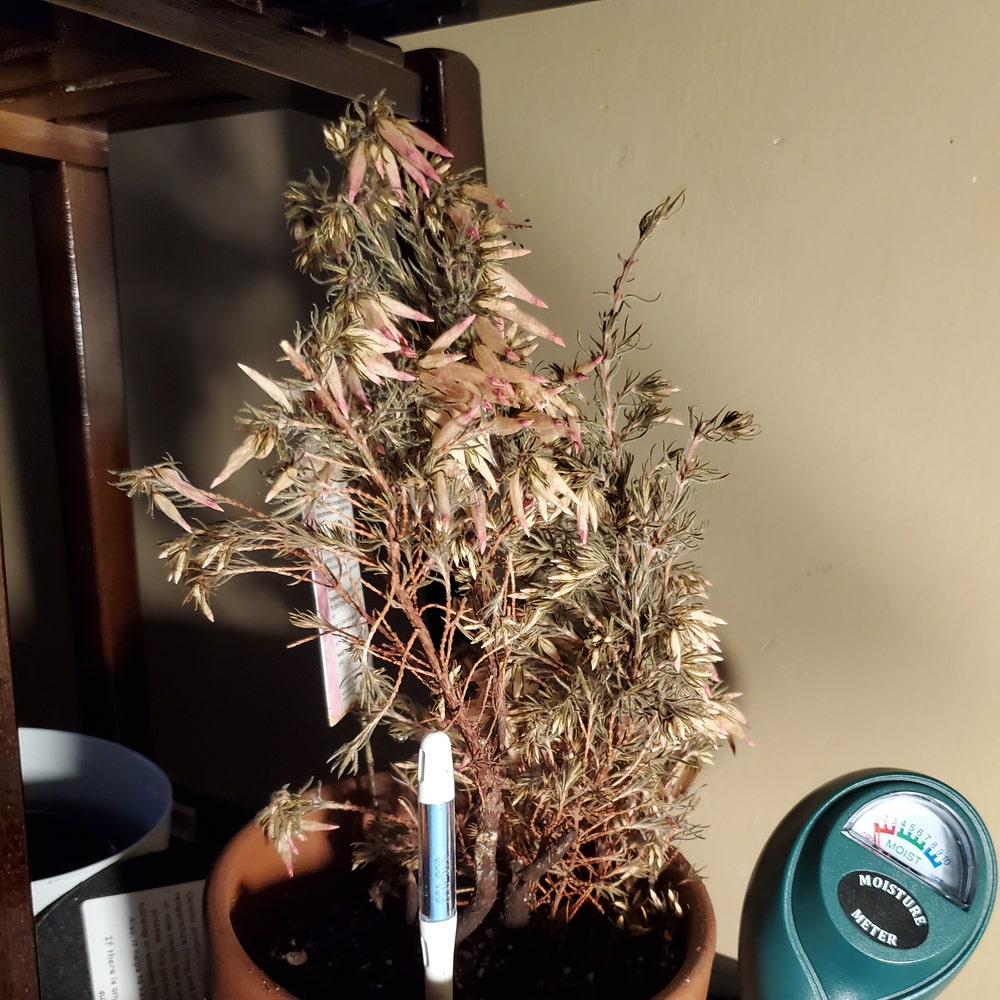
In certain conditions, such as extreme cold or drought, Italian Heather may struggle and be perceived as an annual. Poor soil conditions can also hinder its growth and survival.
🌍 Regional Variations Affecting Classification
Native to Mediterranean regions, Italian Heather shows remarkable adaptability to different climates. Care and treatment can vary significantly across regions, influencing its classification and growth habits.
🌼 Garden Design Implications
🌺 Benefits in Perennial Gardens
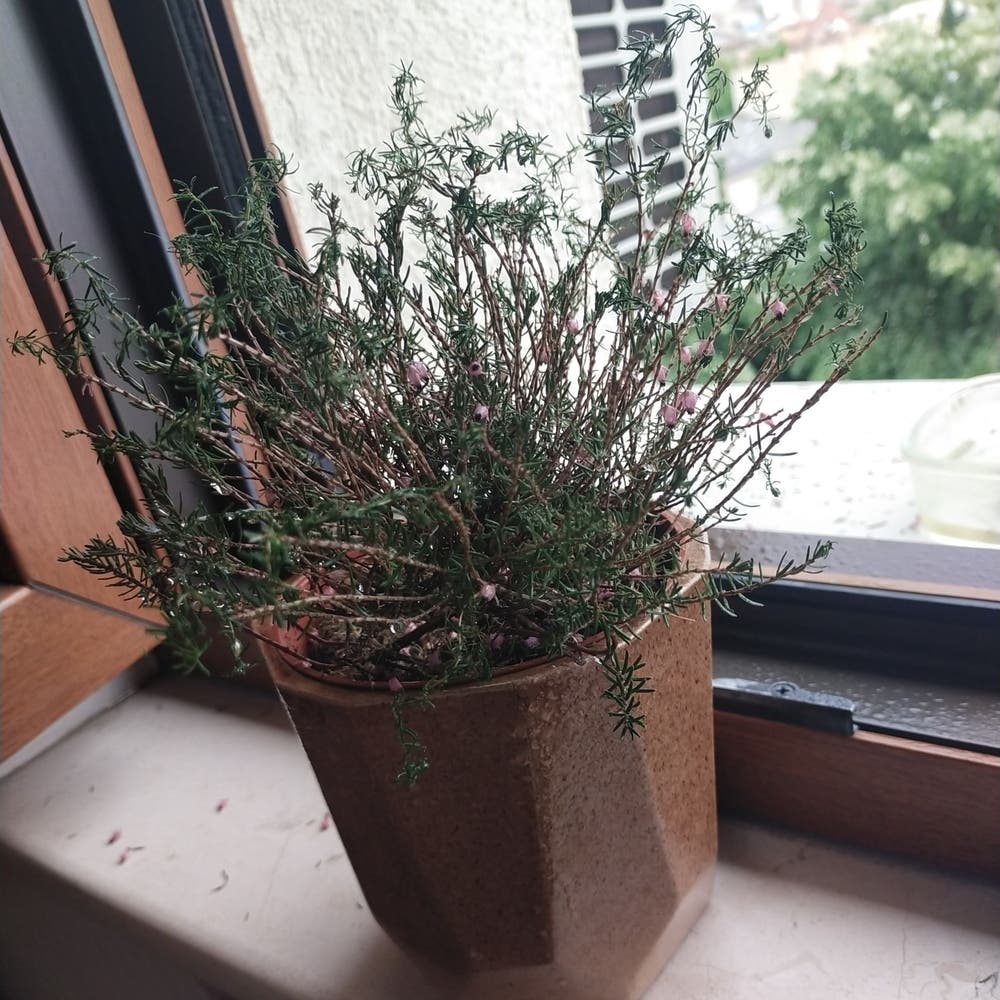
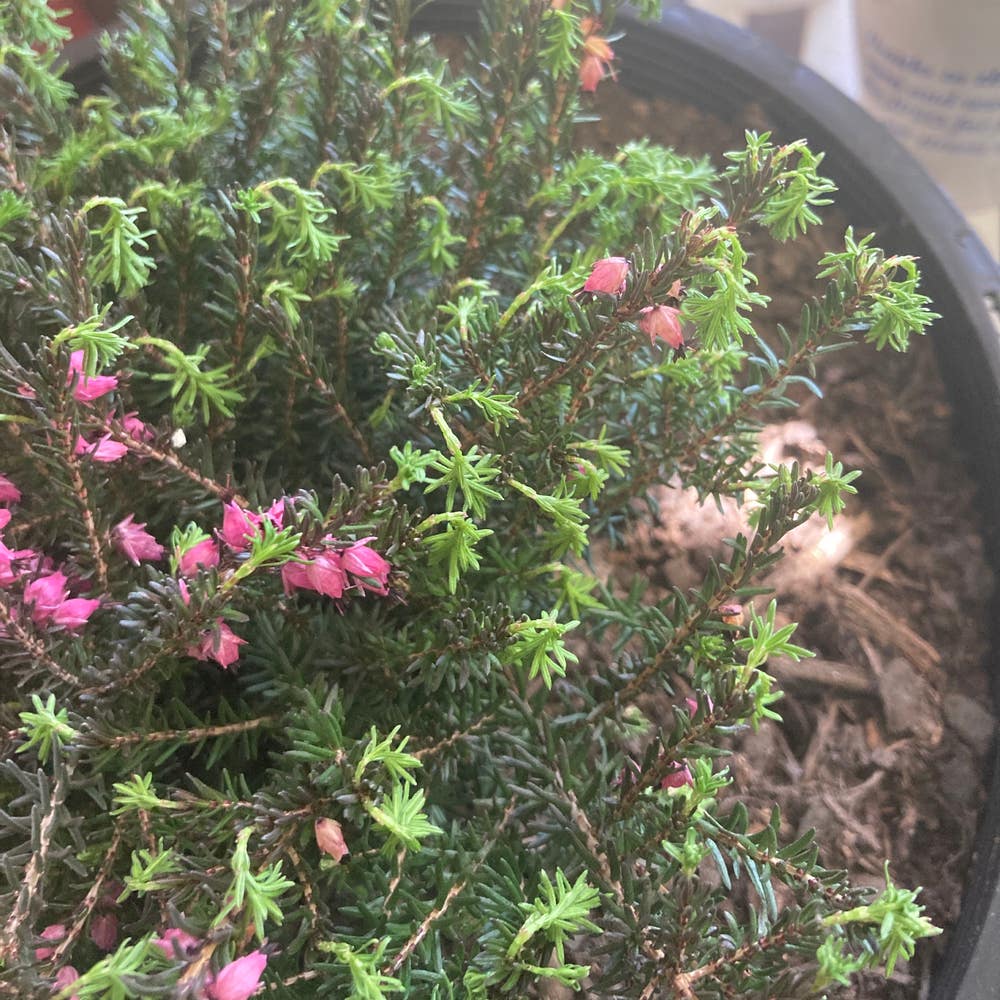
Incorporating Italian Heather into perennial gardens enhances aesthetic appeal with its colorful blooms and evergreen foliage. Its resilience and adaptability make it a low-maintenance choice for gardeners.
🌱 Planting Strategies for Maximizing Growth and Longevity
To thrive, Italian Heather requires well-drained, acidic soils. Proper spacing and companion planting can further optimize its growth and longevity.
🌿 Companion Planting
Italian Heather pairs well with other perennials and shrubs, promoting biodiversity in garden design. This diversity not only enhances visual interest but also supports a healthier ecosystem.
🛠️ Management Tips
🌱 Best Practices for Maintaining Italian Heather
Consistent moisture is vital for Italian Heather, but avoid waterlogging. Organic fertilization options can support sustained growth and vitality.
🌦️ Seasonal Care Considerations
Pruning techniques are essential for encouraging healthy growth and flowering. Additionally, mulching helps retain moisture and control weeds, benefiting the plant throughout the seasons.
🐞 Troubleshooting Common Issues
Identifying pests and diseases early is crucial for maintaining plant health. Solutions range from organic treatments to chemical options, ensuring that Italian Heather remains vibrant and flourishing.
With a solid understanding of Italian Heather's perennial nature, you're well-equipped to cultivate this beautiful plant in your garden. Next, let's explore the garden design implications of incorporating Italian Heather into your landscape.
⚠️ Safety First
This content is for general information and may contain errors, omissions, or outdated details. It is not medical, veterinary advice, or an endorsement of therapeutic claims.
Always consult a qualified healthcare professional before using any plant as food, medicine, or supplement.
Never eat any plant (or feed one to pets) without confirming its identity with at least two trusted sources.
If you suspect poisoning, call Poison Control (800) 222-1222, the Pet Poison Helpline (800) 213-6680, or your local emergency service immediately.
Spotted an error? Please report it here.
Unlock the perennial beauty of Italian Heather 🌿 with Greg's tailored care reminders, ensuring your Erica cinerea flourishes season after season!