💧 Ultimate Guide to Humidity for Italian Heather
Erica x darleyensis
By the Greg Editorial Team
Oct 04, 2024•5 min read
This article was created with the help of AI so we can cover more plants for you. May contain errors. See one? Report it here.
Unlock vibrant blooms for your Italian Heather 🌸 by mastering humidity management for optimal growth and health!
- 🌿 Italian Heather thrives at 50%-70% humidity, reflecting its Mediterranean roots.
- 💧 Low humidity causes browning tips and wilting; monitor levels for optimal growth.
- 🌬️ Consistent humidity is key; fluctuations stress plants and hinder health.
Ideal Humidity Levels
For optimal growth, Italian Heather thrives in a relative humidity range of 50% to 70%. This level mimics the moderate to high humidity environments typical of its Mediterranean origins.
🌱 Varietal Humidity Preferences
Different varieties of Italian Heather have unique humidity needs.
- 'Alba': Prefers slightly higher humidity levels for best results.
- 'Rosea': Can tolerate lower humidity but still flourishes with moderate levels.
🔑 Consistency is Key
Maintaining consistent humidity levels is crucial. Fluctuations can stress the plant, hindering its growth and flowering potential.
Understanding these humidity preferences will help you create the perfect environment for your Italian Heather, ensuring it remains vibrant and healthy. Next, let’s explore the effects of humidity on this beautiful plant.
Effects of Humidity
💧 Low Humidity Effects
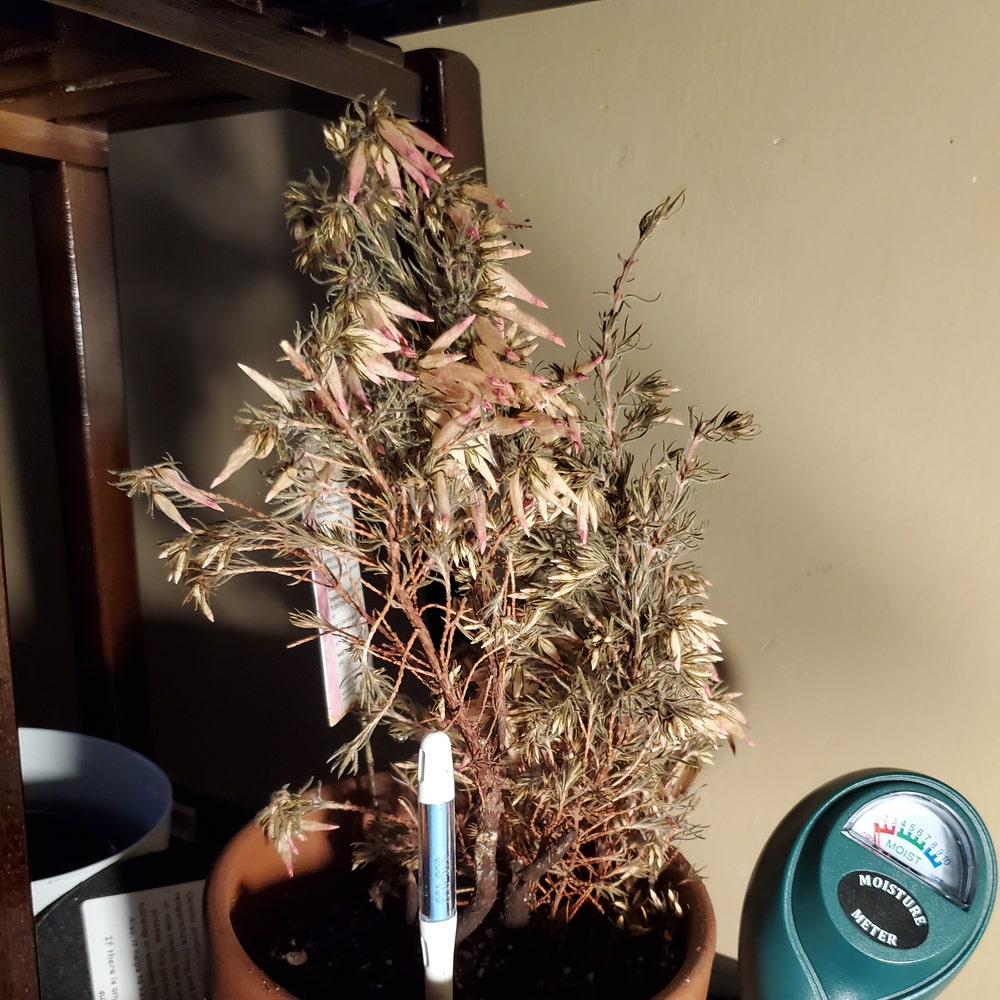
Low humidity can lead to several distressing symptoms in Italian Heather. You might notice browning leaf tips, wilting, and reduced flowering, which are clear signs that your plant is struggling.
Long-term exposure to low humidity can make your plant more susceptible to pests and diseases. To combat this, it's crucial to increase humidity levels promptly to prevent further stress.
🌫️ High Humidity Effects
On the flip side, high humidity can also wreak havoc on your Italian Heather. Symptoms such as root rot, mold growth, and leaf drop can occur when humidity levels exceed the ideal range.
If left unchecked, high humidity can lead to a decline in overall plant health and vigor. Implementing strategies to reduce humidity is essential if levels exceed 70%, ensuring your plant remains healthy and thriving.
Understanding these effects is vital for maintaining the well-being of your Italian Heather. By managing humidity effectively, you can create an environment that promotes growth and flowering, setting the stage for the next section on local humidity considerations.
Local Humidity Considerations
Assessing Local Humidity 🌧️
Understanding local humidity is crucial for the health of your Italian Heather. Use tools like hygrometers and weather apps to measure humidity levels accurately.
These tools help you monitor the environment, ensuring you can make informed decisions about your plant care. Knowing your local climate conditions allows for effective humidity management, which is vital for optimal growth.
Seasonal Variations 🌸
Humidity levels can vary significantly with the seasons. Expect higher humidity in spring and summer, while fall and winter typically bring drier air.
Adapt your care strategies accordingly. For instance, during dry months, you might need to increase watering or use humidity-boosting techniques.
Microclimates 🌿
Microclimates are small areas that have different climatic conditions than their surroundings. These can significantly impact humidity levels for your plants.
Examples include spots near water bodies, shaded areas, or sheltered gardens. Observing these local microclimates can help you optimize humidity for your Italian Heather, ensuring it thrives in its environment.
Understanding these nuances will empower you to create the best conditions for your plants, leading to healthier growth and vibrant blooms.
Strategies for Managing Humidity
🌧️ Boosting Humidity
Using Humidifiers
To create a thriving environment for your Italian Heather, consider using a humidifier. Look for types specifically designed for indoor plants, ensuring they can maintain humidity levels between 50% and 70%.
Grouping Plants
Clustering moisture-loving plants together can significantly boost humidity. This method creates a mini ecosystem, but be mindful not to overcrowd; ensure each plant has enough space to breathe.
Pebble Trays and Water Bowls
Creating pebble trays is a simple yet effective way to increase humidity. Just fill a shallow tray with pebbles and water, then place your pot on top, allowing moisture to rise. Additionally, placing water bowls near your plants can further enhance local humidity levels.
🌬️ Reducing Humidity
Proper Air Circulation
Good airflow is essential for preventing issues like mold and root rot. Ensure your plants have adequate ventilation by spacing them out and using fans if necessary.
Avoiding Overwatering
Watering frequency is crucial; allow the soil to dry slightly between waterings. Watch for signs of overwatering, such as yellowing leaves or mushy roots, which can indicate that humidity levels are too high.
Using Dehumidifiers
In consistently high humidity environments, a dehumidifier can be a lifesaver. Set it to maintain optimal humidity levels, ideally around 50% to 70%, to keep your Italian Heather healthy and vibrant.
By managing humidity effectively, you can create the perfect conditions for your Italian Heather to flourish. Next, let’s explore common humidity-related issues and how to address them.
Common Humidity-Related Issues
Signs of Low Humidity Stress 🌵
Low humidity can be a sneaky adversary for your Italian Heather. Watch for visual indicators like leaf curling and browning edges, which signal that your plant is struggling.
Behaviorally, you might notice reduced growth and fewer flowers. This stress can lead to a lackluster appearance that’s hard to ignore.
Signs of High Humidity Stress 🌧️
On the flip side, high humidity can also wreak havoc. Look for mold on the soil surface and drooping leaves, both clear signs that your plant is overwhelmed.
Behaviorally, stunted growth and increased pest activity may follow. These symptoms indicate that your Italian Heather needs immediate attention.
Solutions for Humidity Problems 💧
If you’re facing low humidity, quick fixes are at your fingertips. Increase watering frequency and consider using pebble trays to boost moisture levels around your plant.
For high humidity, improving drainage and increasing air circulation can make a world of difference. These simple adjustments can help restore balance and keep your Italian Heather thriving.
By staying vigilant and responsive to these humidity-related issues, you can ensure your plant remains healthy and vibrant. Next, let’s explore effective strategies for managing humidity levels in your garden.
⚠️ Safety First
This content is for general information and may contain errors, omissions, or outdated details. It is not medical, veterinary advice, or an endorsement of therapeutic claims.
Always consult a qualified healthcare professional before using any plant as food, medicine, or supplement.
Never eat any plant (or feed one to pets) without confirming its identity with at least two trusted sources.
If you suspect poisoning, call Poison Control (800) 222-1222, the Pet Poison Helpline (800) 213-6680, or your local emergency service immediately.
Spotted an error? Please report it here.
Keep your Italian Heather thriving 🌱 by using Greg to monitor humidity levels and receive tailored reminders for optimal care, ensuring your plant stays healthy and vibrant!