How to Cure Droopy Leaves on Your Italian Heather 💧
Erica x darleyensis
By the Greg Editorial Team
Oct 04, 2024•6 min read
This article was created with the help of AI so we can cover more plants for you. May contain errors. See one? Report it here.
Transform your droopy Italian Heather 🌱 into a thriving beauty with essential care tips for vibrant growth!
- 💧 Overwatering and underwatering both cause droopy leaves; adjust watering practices accordingly.
- 🌡️ Ideal temperatures for Italian Heather are 15°C to 25°C (59°F to 77°F).
- 🌱 Regular pest checks and well-draining soil prevent droopy leaves and promote health.
Causes of Droopy Leaves
💧 Overwatering and Root Rot
Overwatering is a common culprit behind droopy leaves. Symptoms include yellowing leaves, mushy roots, and a foul odor emanating from the soil.
Root rot occurs when fungal infections thrive in waterlogged conditions, leading to significant plant stress. To combat this, ensure your Italian Heather is planted in well-drained, acidic soil.
🌵 Underwatering and Drought Stress
On the flip side, underwatering can also lead to droopy leaves. Look for crispy, brown leaf edges and wilting as telltale signs.
Prolonged drought stress can cause permanent damage to your plant. Maintaining consistent moisture levels is crucial for healthy leaves.
🌡️ Environmental Stress Factors
Temperature plays a significant role in leaf health. The ideal range for Italian Heather is between 15°C to 25°C (59°F to 77°F).
Humidity is another factor; moderate levels are best. Low humidity can lead to droopy leaves, so keep an eye on your environment.
🐜 Pest Infestations
Pests like aphids and spider mites can wreak havoc on your plant. Signs of pest damage include discoloration, webbing, and distorted leaves.
Regular pest monitoring is essential for maintaining plant health. Catching infestations early can save your Italian Heather from further stress.
🌱 Soil Quality and Drainage Issues
Soil composition is vital for your plant's well-being. Well-draining, acidic soil prevents issues like root rot.
Signs of poor drainage include water pooling on the surface and slow absorption. To improve drainage, consider adding perlite or sand to your soil mix.
Understanding these causes will help you diagnose and treat droopy leaves effectively. Next, we’ll explore how to diagnose the specific issues affecting your Italian Heather.
Diagnosing Droopy Leaves
🌊 Visual Signs of Overwatering vs. Underwatering
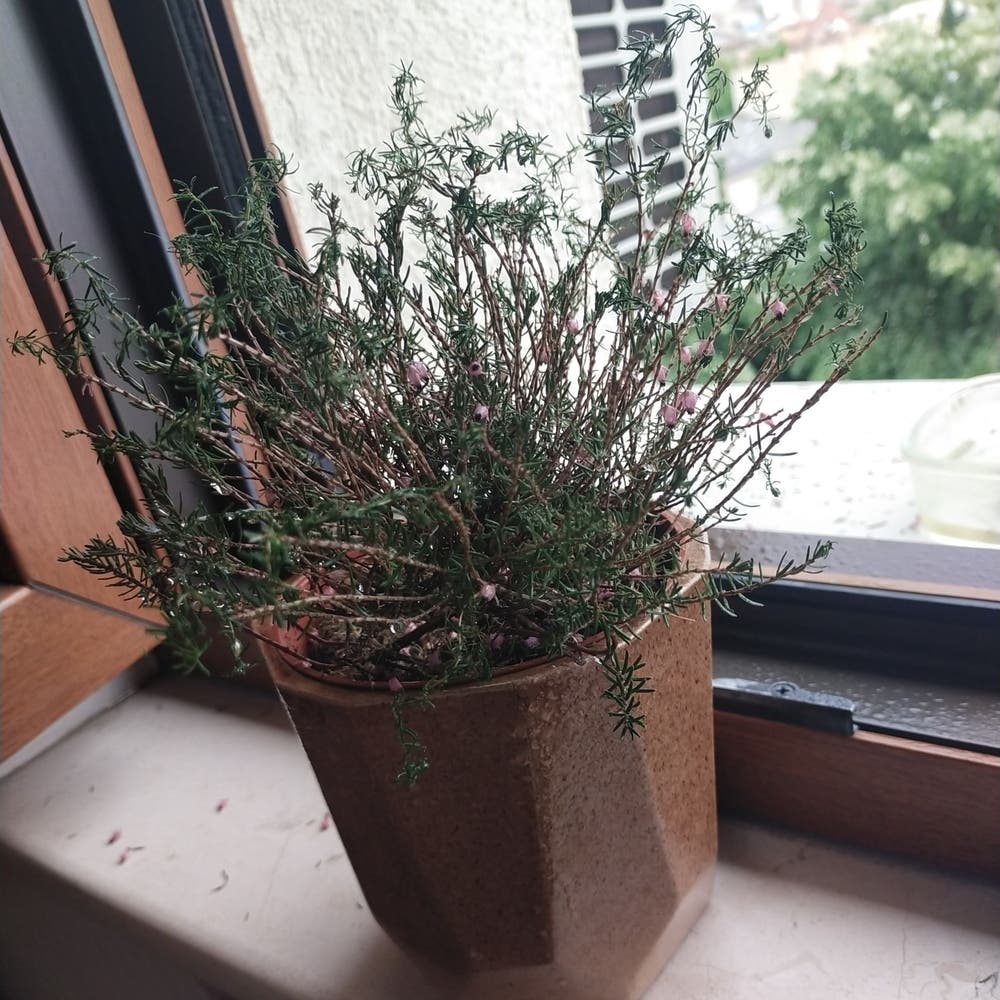
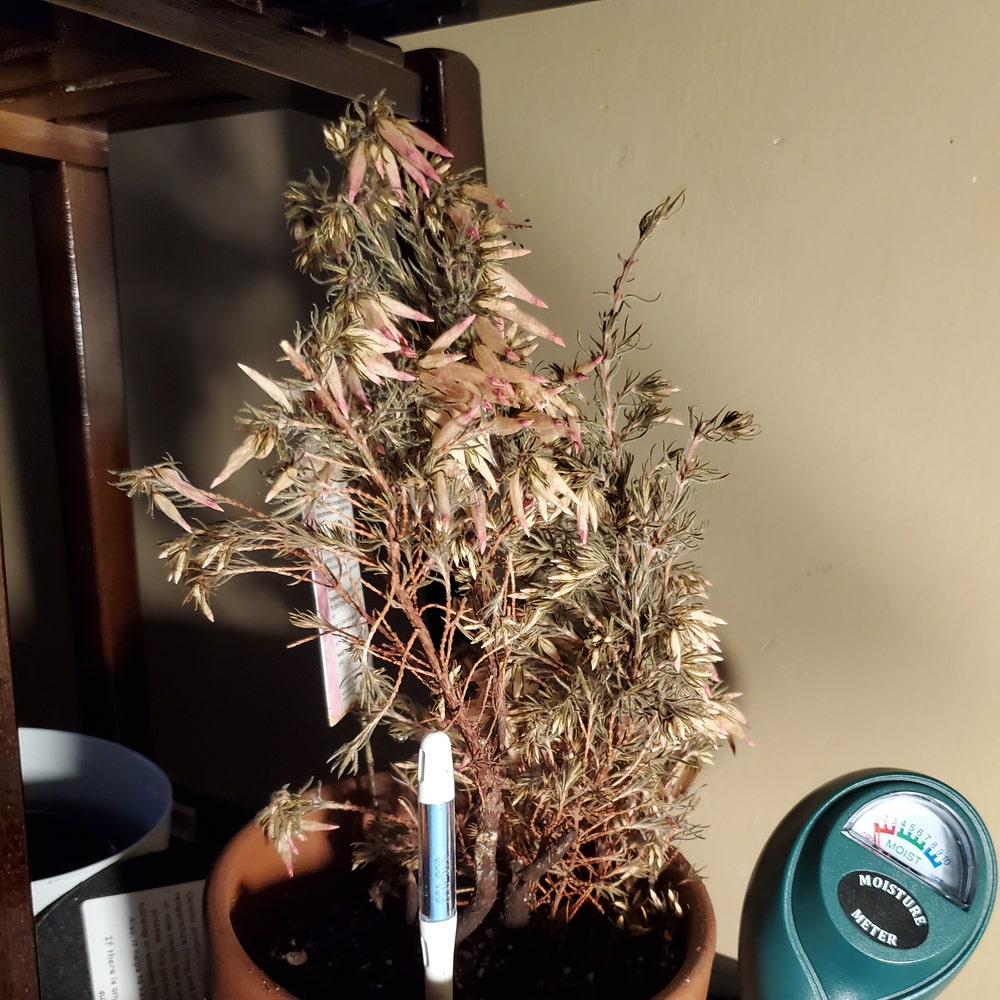
Identifying whether your Italian Heather is suffering from overwatering or underwatering is crucial. Overwatering typically shows symptoms like yellowing leaves, wilting, and mushy roots, while underwatering manifests as leaf curling, browning edges, and dry soil.
🐛 Identifying Pest Damage
Regular visual inspections can help catch pest infestations early. Check the undersides of leaves and stems for common pests; comparing healthy leaves to infested ones can reveal damage like discoloration and distortion.
💧 Assessing Soil Moisture Levels
Understanding soil moisture is key to plant health. Use a moisture meter or your finger to test the soil; it should feel slightly moist but never soggy to promote optimal growth.
🌤️ Evaluating Environmental Conditions
Environmental factors play a significant role in leaf health. Ensure your Italian Heather receives full sun to partial shade and monitor the ambient temperature, keeping it within the ideal range of 15°C to 25°C (59°F to 77°F) for best results.
By diagnosing these issues effectively, you can take the necessary steps to restore your plant's vitality. Next, let’s explore how to treat those droopy leaves and bring your Italian Heather back to life.
Treating Droopy Leaves
💧 Adjusting Watering Practices
Establishing a consistent watering schedule is crucial. Water your Italian Heather when the top inch of soil feels dry to the touch.
To promote healthy root growth, use deep but infrequent watering techniques. This approach encourages roots to reach deeper into the soil for moisture.
Monitor your plant closely for signs of improvement over the following weeks. Look for perkier leaves and overall vitality as indicators of recovery.
🌱 Improving Soil Drainage
Start by assessing your current soil mix for drainage issues. If water pools on the surface or absorbs slowly, it’s time to make some changes.
Incorporate perlite or sand into your soil to enhance drainage. These amendments help create a well-draining, acidic environment that Italian Heather thrives in.
If necessary, consider re-potting your plant for better drainage. Choose a pot with drainage holes and fresh soil mix to give your plant a new lease on life.
🐛 Treating Pest Infestations
Identifying the pest is the first step in treatment. Common culprits like aphids and spider mites can wreak havoc on your plant.
Once you confirm the type of pest, explore treatment options such as insecticidal soap or neem oil. These solutions are effective and relatively easy to apply.
After treatment, keep an eye on your plant for signs of recovery. Look for new growth and healthier leaves as indicators that the pests are under control.
🌞 Environmental Adjustments
Light adjustments can make a significant difference. Move your Italian Heather to a location with optimal light exposure, ideally full sun to partial shade.
Temperature control is also essential. Ensure your plant stays within its ideal temperature range of 15°C to 25°C (59°F to 77°F).
To enhance humidity, consider using a humidifier or a pebble tray filled with water. This small change can help create a more favorable environment for your plant.
With these adjustments, your Italian Heather should bounce back, showcasing vibrant leaves and robust growth. Next, let’s explore how to prevent future droopy leaves to keep your plant thriving.
Preventing Future Droopy Leaves
Best Practices for Watering 🌊
Establishing a consistent watering routine is crucial for your Italian Heather. Aim to water when the top inch of soil feels dry, ensuring the plant receives adequate moisture without becoming waterlogged.
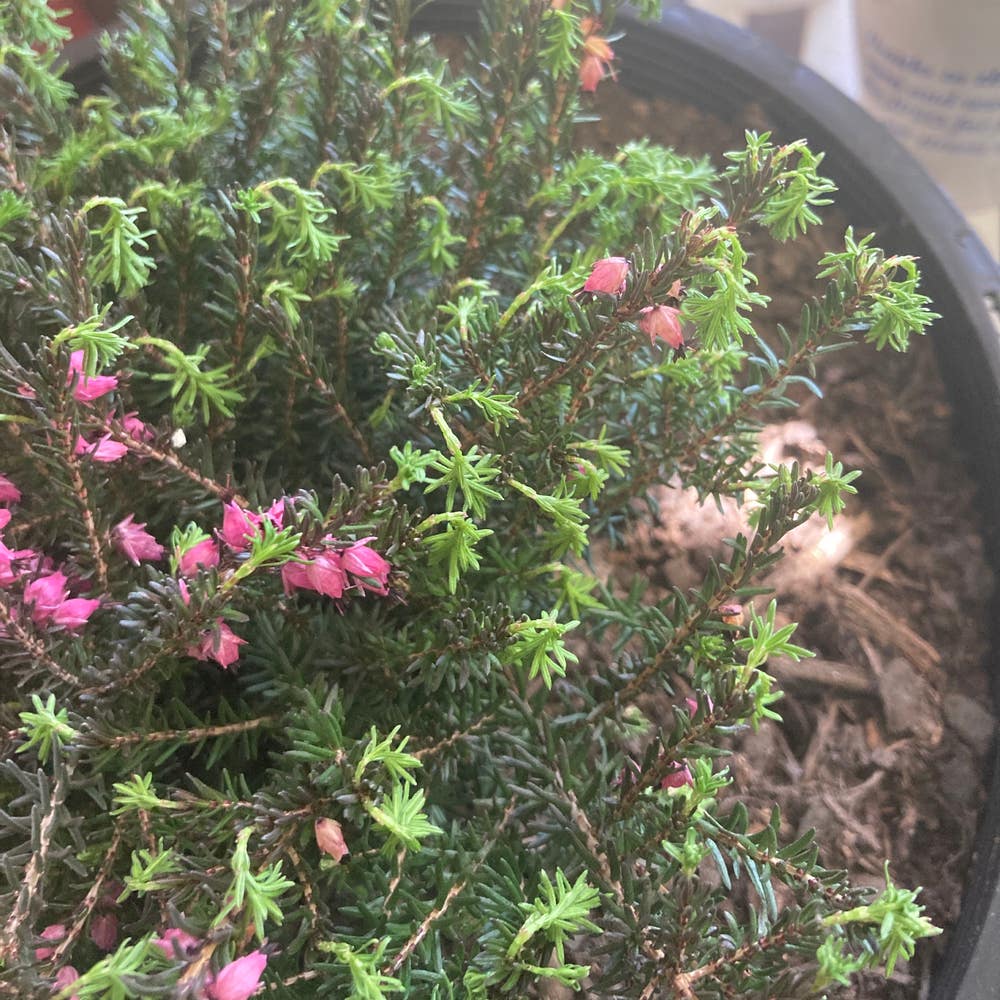
Look for signs of proper watering, such as vibrant green leaves and soil that is moist but not soggy. Healthy plants will show resilience and vitality, indicating that your watering practices are on point.
Choosing the Right Soil Mix 🌱
Selecting the right soil mix is essential for preventing droopy leaves. Opt for well-draining, acidic mixes that cater to the specific needs of Italian Heather.
Regular soil testing is vital to maintain optimal pH and nutrient levels. This proactive approach helps you catch any imbalances before they affect your plant's health.
Regular Pest Monitoring and Control 🐞
Make pest monitoring a regular part of your plant care routine. Weekly inspections can help you catch any infestations early, preventing more significant damage down the line.
Incorporate preventative measures, such as companion planting or using natural repellents. These strategies can create a healthier environment for your Italian Heather and deter pests effectively.
Seasonal Care Tips 🍂
Adjust your care based on the changing seasons to keep your plant thriving. Modify watering and fertilizing schedules to align with seasonal growth patterns.
Prepare for temperature changes by protecting your Italian Heather during extreme weather. Simple measures, like moving the plant indoors or providing shade, can make a significant difference in its health.
By following these preventive strategies, you can ensure your Italian Heather remains vibrant and healthy, minimizing the chances of droopy leaves in the future. Next, let’s dive into diagnosing droopy leaves to better understand how to identify issues early on.
⚠️ Safety First
This content is for general information and may contain errors, omissions, or outdated details. It is not medical, veterinary advice, or an endorsement of therapeutic claims.
Always consult a qualified healthcare professional before using any plant as food, medicine, or supplement.
Never eat any plant (or feed one to pets) without confirming its identity with at least two trusted sources.
If you suspect poisoning, call Poison Control (800) 222-1222, the Pet Poison Helpline (800) 213-6680, or your local emergency service immediately.
Spotted an error? Please report it here.
Revive your Italian Heather and keep those leaves perky 🌱 by using Greg for personalized care reminders and tips that ensure your plant thrives!