🏡 All About Your Italian Heather's Roots
Erica x darleyensis
By the Greg Editorial Team
Oct 04, 2024•7 min read
This article was created with the help of AI so we can cover more plants for you. May contain errors. See one? Report it here.
Master Italian Heather's unique root system 🌱 for vibrant growth and resilience in your garden! 🌿
- 🌱 Italian Heather's fibrous roots enable efficient nutrient absorption and adaptability in various soils.
- 💧 Shallow roots make it susceptible to drought; consistent moisture is essential for health.
- 🌼 Healthy roots indicate vibrant foliage; monitor for signs of stress or rot regularly.
Root System Characteristics
🌱 Type of Root System
Italian Heather features a fibrous root system, which is essential for its growth and adaptability. This type of root system is characterized by a shallow yet extensive network that efficiently absorbs nutrients and water.
🌿 Benefits of Fibrous Roots
The fibrous roots allow Italian Heather to thrive in various soil conditions. Their adaptability ensures that the plant can establish itself in diverse environments, making it a resilient choice for gardeners.
🔍 Specific Characteristics
Typically, the roots of Italian Heather are thin and branched. This structure enables quick absorption of moisture and nutrients, crucial for the plant's health.
🌍 Erosion Prevention
The fibrous nature of these roots plays a vital role in preventing soil erosion, especially in its native Mediterranean habitat. This characteristic not only supports the plant but also contributes to the stability of the surrounding ecosystem.
🌸 Varietal Differences
It's interesting to note that there are varietal differences in root density. For instance, 'Alba' may exhibit slightly denser roots compared to 'Rosea,' which can influence their growth patterns and adaptability.
Understanding the root system characteristics of Italian Heather is key to providing the right care. With this knowledge, you can ensure your plants thrive, setting the stage for the next section on root depth and spread.
Root Depth and Spread
Typical Depth and Spread 🌱
Italian Heather typically boasts an average root depth of 12-18 inches (30-45 cm). Its roots can spread horizontally up to 2-3 feet (60-90 cm), creating a broad network that supports the plant's growth.
Drought Susceptibility 💧
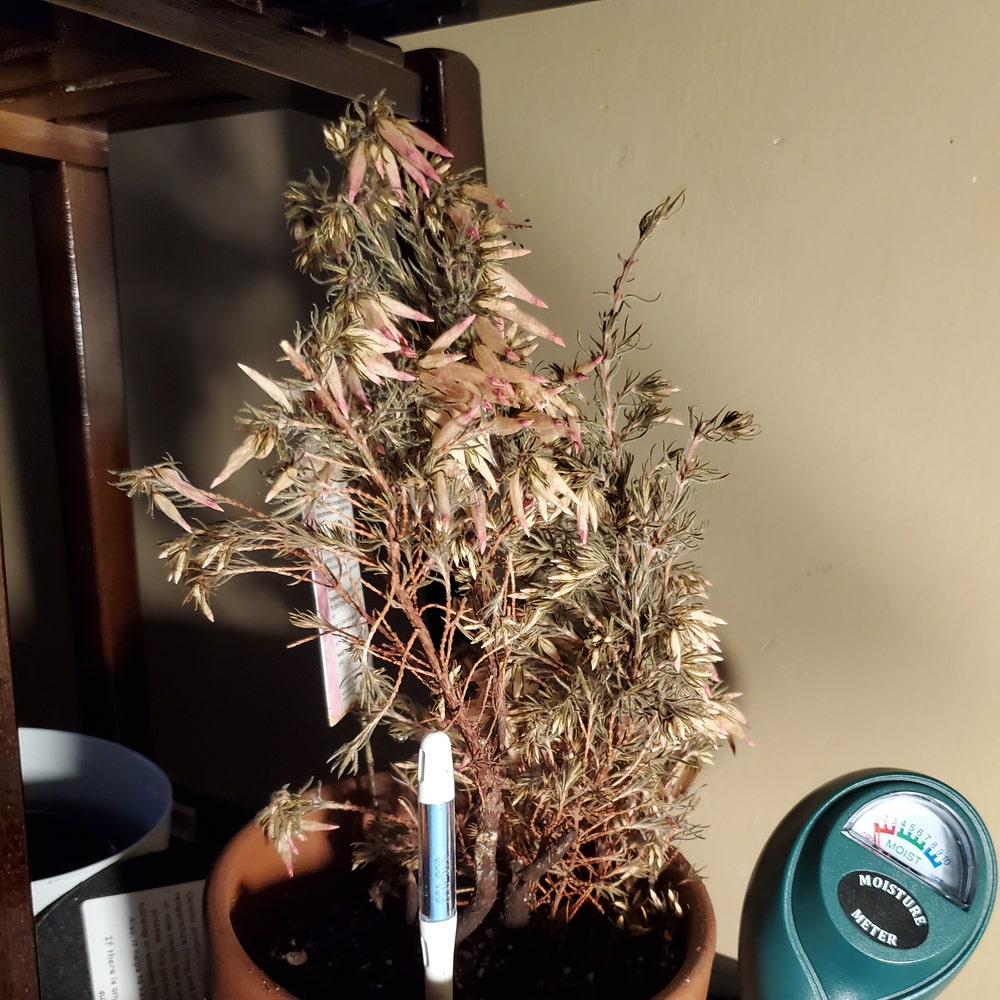
While this shallow root system allows for efficient nutrient uptake, it also makes the plant vulnerable to drought stress. Without adequate moisture, you may notice signs of wilting or browning leaves.
Growth Patterns 🌿
In the early stages, Italian Heather roots grow rapidly, establishing a solid foundation. As the plant matures, growth shifts focus from depth to lateral spread, allowing it to cover more ground.
Seasonal Growth Patterns 🌸
The plant experiences active growth in spring and early summer, thriving in warmer temperatures. During winter, it enters a period of dormancy, conserving energy until the next growth cycle begins.
Understanding these root characteristics can help you provide better care for your Italian Heather, ensuring it remains healthy and vibrant. Next, we’ll explore care practices influenced by these root traits.
Care Practices Influenced by Roots
💧 Watering Techniques
Maintaining the right moisture level is crucial for Italian Heather. Keep the soil consistently moist but avoid waterlogging, which can lead to root rot.
To achieve this, consider using drip irrigation or soaker hoses. These methods deliver water directly to the root zone, ensuring efficient absorption. Regularly monitor soil moisture levels to adjust your watering schedule as needed.
🌱 Fertilizing Considerations
Fertilization plays a key role in supporting healthy root development. Apply a balanced, slow-release fertilizer in early spring to give your Italian Heather a nutrient boost.
Focus on phosphorus, as it is vital for robust root growth. However, be cautious not to over-fertilize, as this can lead to root burn and other issues.
🌳 Transplanting Tips
Transplanting can be a delicate process, but timing is everything. The best times to transplant your Italian Heather are early spring or fall when the plant is less stressed.
Follow these steps for a successful transplant:
- Prepare the new planting site with well-drained, acidic soil.
- Water the plant thoroughly before removal to minimize shock.
- Gently loosen the root ball, taking care not to disturb the roots excessively.
- Water well after transplanting to help establish the plant in its new home.
By following these care practices, you can ensure that your Italian Heather thrives, setting the stage for vibrant growth and resilience. Next, let’s explore common root-related issues that may arise and how to tackle them effectively.
Common Root-Related Issues
Identifying Problems 🌱
Root health is crucial for the vitality of your Italian Heather. One common issue is root rot, which manifests as yellowing leaves and wilting.
Another concern is drought stress, indicated by browning leaf tips and stunted growth. Lastly, keep an eye out for pests like root aphids, which can damage roots and lead to poor plant health.
Prevention and Solutions 🛡️
To prevent root rot, ensure your soil has excellent drainage. This simple step can save your plant from a soggy demise.
Regularly check for pests and treat any infestations with organic insecticides as needed.
Implementing a consistent watering schedule is essential to avoid drought stress. Keeping the soil consistently moist will help your Italian Heather thrive.
By addressing these common root-related issues, you can maintain a healthy and vibrant plant. Next, let’s explore how to recognize indicators of root health.
Indicators of Root Health
👀 Visual Cues
Healthy roots are a gardener's pride. Look for roots that are firm, with a white or light tan color and a robust, fibrous structure.
In contrast, unhealthy roots can be a red flag. Dark brown or black roots, along with a mushy texture and foul odor, signal potential problems that need immediate attention.
🔍 Other Indicators
Leaf color and texture can tell you a lot about root health. Vibrant, lush foliage typically indicates strong roots working effectively.
On the flip side, stunted growth or wilting leaves often point to underlying root issues. Keeping an eye on these signs can help you maintain a thriving Italian Heather.
Understanding these indicators not only enhances your gardening skills but also fosters a deeper connection with your plants. With this knowledge, you can ensure your Italian Heather remains healthy and vibrant.
Next, let’s explore common root-related issues and how to tackle them effectively.
Rootbound Plants
Definition and Recognition 🌱
Rootbound plants are those whose roots have grown in circles around the pot, limiting their growth potential. You can spot a rootbound plant by checking for roots emerging from drainage holes or noticing stunted growth.
Addressing Rootbound Issues 🛠️
To tackle rootbound conditions, timing is key. Regularly check your plants during repotting or seasonal growth checks.
- Gently remove the plant from its pot. This helps you assess the root situation without causing too much disturbance.
- Trim circling roots to encourage new growth. This step is crucial for revitalizing your plant.
- Repot into a larger container with fresh soil. Ensure the new pot provides ample space for the roots to expand.
By addressing rootbound issues promptly, you can give your Italian Heather a fresh start, allowing it to thrive in its environment. This proactive approach not only enhances growth but also boosts the overall health of your plant.
As you nurture your Italian Heather, keep an eye on its root health to ensure it remains vibrant and flourishing. Next, we’ll explore the importance of root health in propagation and division.
Propagation and Division
🌱 Importance of Root Health
Healthy roots are the backbone of successful propagation and division. They not only support new growth but also enhance the plant's resilience against stressors.
✂️ Techniques for Dividing
Best Time for Division
The ideal time to divide your Italian Heather is early spring. This timing allows the plant to recover quickly and thrive in the growing season.
Steps for Division
- Carefully Dig Up the Plant: Start by gently lifting the plant from the soil, being cautious to minimize root disturbance.
- Divide the Root Ball: Use a clean, sharp knife to slice through the root ball into manageable sections. Aim for sections that have a good balance of roots and foliage.
- Replant Immediately: Place the divided sections into well-draining soil, ensuring there's enough space for each to grow without crowding.
By following these steps, you can effectively propagate your Italian Heather, ensuring that each new plant has a strong foundation to flourish. This not only enhances your garden but also allows you to share the beauty of this resilient plant with others.
Next, let's explore common root-related issues that can arise during the care of your Italian Heather.
⚠️ Safety First
This content is for general information and may contain errors, omissions, or outdated details. It is not medical, veterinary advice, or an endorsement of therapeutic claims.
Always consult a qualified healthcare professional before using any plant as food, medicine, or supplement.
Never eat any plant (or feed one to pets) without confirming its identity with at least two trusted sources.
If you suspect poisoning, call Poison Control (800) 222-1222, the Pet Poison Helpline (800) 213-6680, or your local emergency service immediately.
Spotted an error? Please report it here.
Unlock the secret to a thriving Italian Heather by mastering its root care, and let Greg guide you with tailored watering alerts to keep your plant flourishing 🌿 all season long!