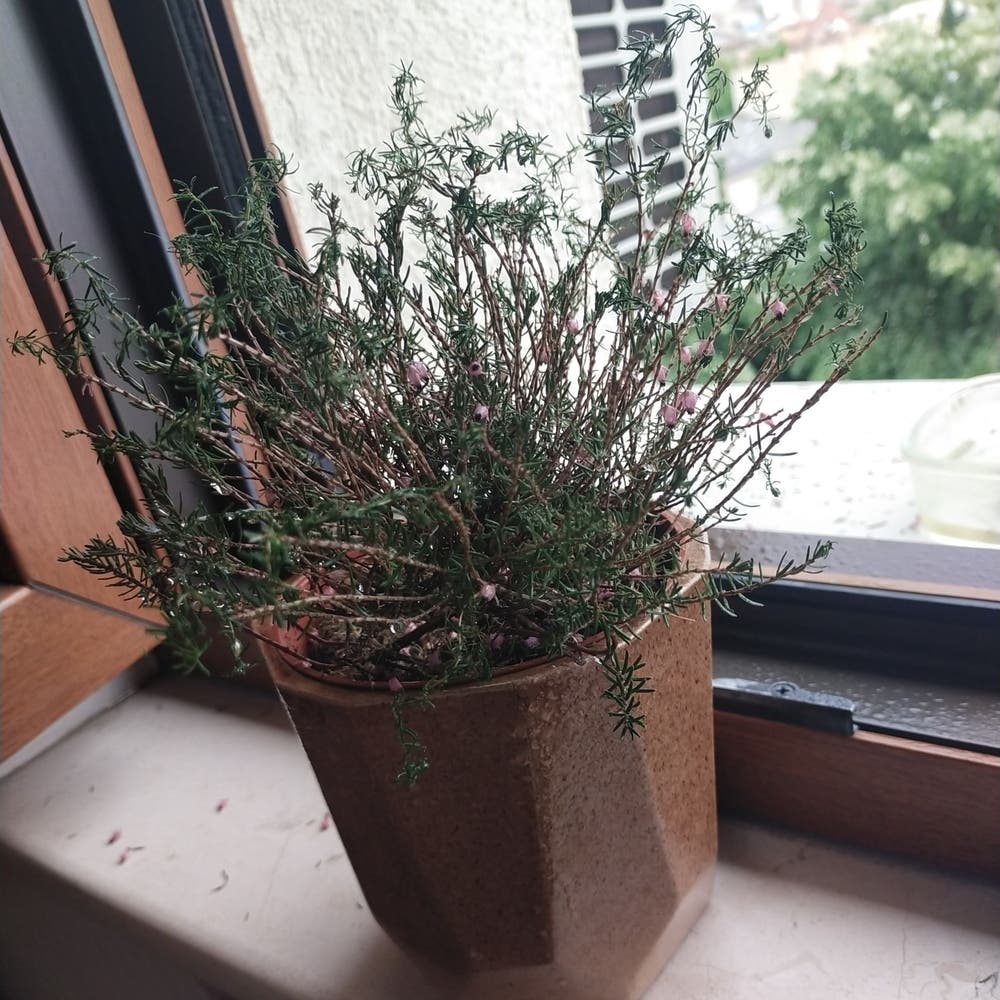
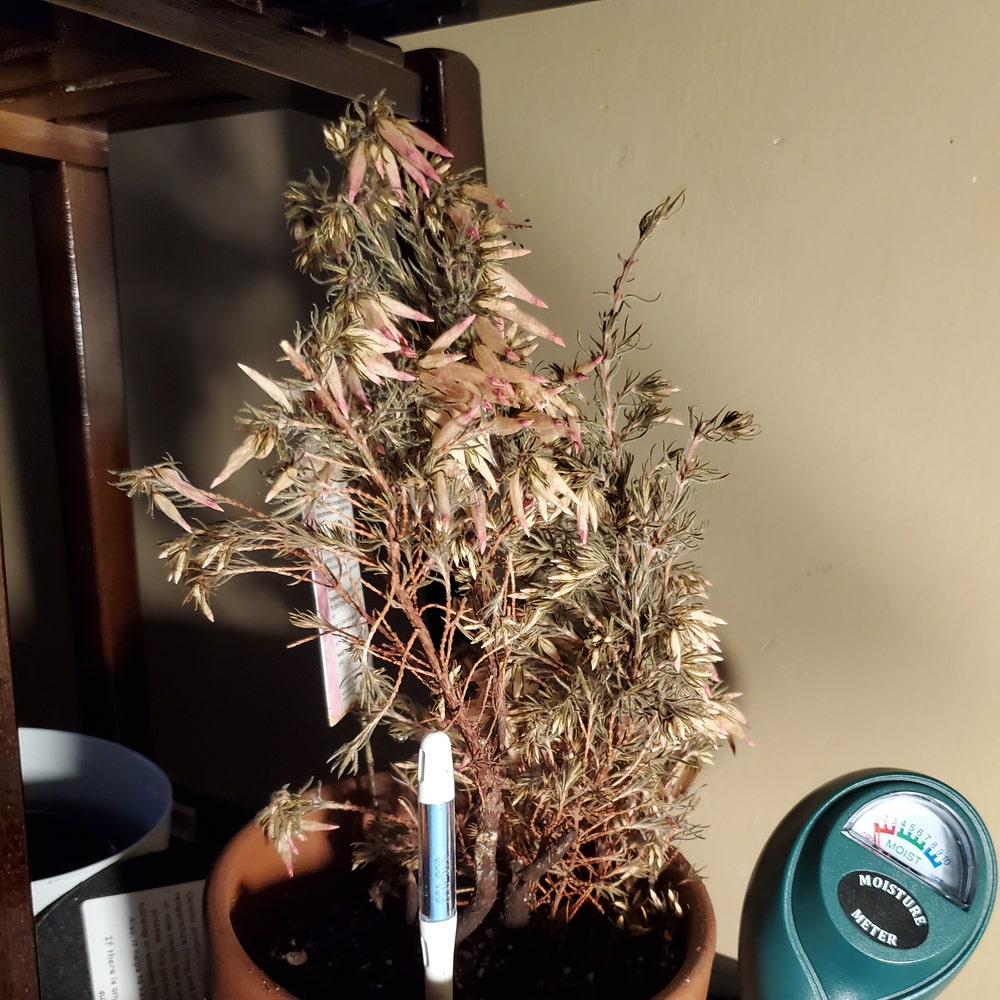
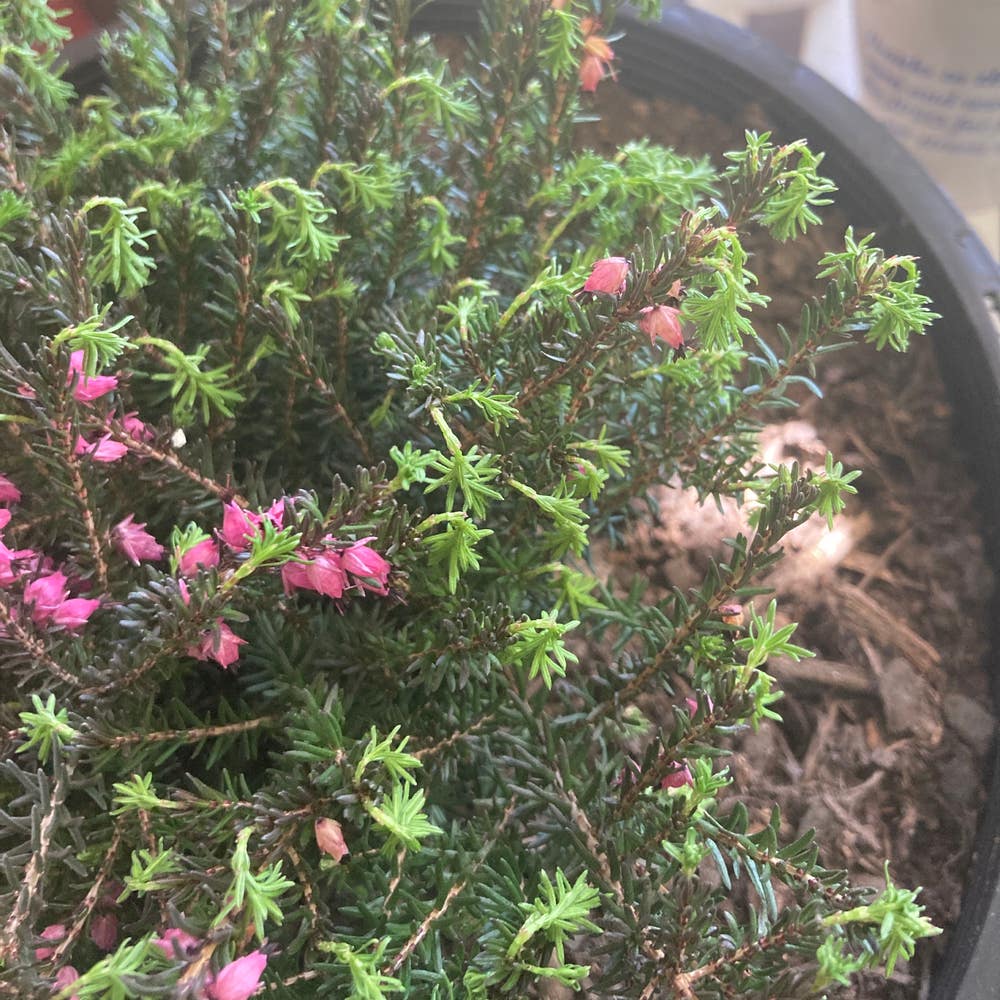
🌸 How to Fix Leaves Falling Over on Your Italian Heather
Erica x darleyensis
By the Greg Editorial Team
Oct 04, 2024•5 min read
This article was created with the help of AI so we can cover more plants for you. May contain errors. See one? Report it here.
Transform your drooping Italian Heather into a thriving beauty with these essential care tips! 🌱
- 💧 Regularly assess soil moisture to prevent droopy leaves on Italian Heather.
- 🌞 Relocate plants to sunnier spots if they appear droopy due to insufficient light.
- ✂️ Prune dead leaves to promote healthier growth and a bushier appearance.
Solutions for Leaf Droop
🌊 Adjusting Watering Practices
To tackle leaf droop, start by assessing soil moisture. Use the finger test: insert your finger 1-2 inches into the soil to check for dampness.
Water your Italian Heather only when the top inch of soil is dry. For more precise readings, consider using a moisture meter, which makes this task a breeze.
🕳️ Improving Soil Drainage
Next, focus on soil drainage. Use a well-draining, acidic soil mix with a pH between 4.5 and 6.0.
Incorporate perlite or sand to enhance drainage. Elevating pots or creating raised beds can also improve water flow, preventing soggy roots.
☀️ Correcting Light Exposure
Light exposure is crucial for healthy growth. If your plants seem droopy, consider relocating them to sunnier spots.
You can also use reflective surfaces to increase light availability. Regularly monitor light conditions to ensure your Italian Heather thrives.
✂️ Pruning Techniques to Promote Healthy Growth
Pruning is another effective way to encourage healthy growth. Start by removing dead or damaged leaves with clean, sharp shears.
Trim back any leggy growth to promote a bushier appearance. For best results, prune after flowering to maintain shape and overall health.
By implementing these solutions, you can revitalize your Italian Heather and keep those leaves standing tall. Next, let’s explore preventative measures to ensure your plants remain healthy year-round.
Preventative Measures
Best Practices for Italian Heather Care 🌱
To keep your Italian Heather thriving, regularly check soil moisture levels. This simple habit can prevent overwatering or underwatering, both of which can lead to drooping leaves.
Maintaining proper light exposure is equally crucial. Ensure your plants receive adequate sunlight, as insufficient light can weaken their structure and health.
Seasonal Adjustments for Optimal Health 🍂
In spring, focus on fertilizing and pruning your Italian Heather. This encourages new growth and helps maintain a vibrant appearance.
During summer, keep an eye out for pests and adjust your watering frequency as needed. This proactive approach can prevent issues before they escalate.
As fall approaches, prepare your plants for dormancy by reducing watering. This helps them conserve energy and stay healthy through the colder months.
Regular Monitoring for Pests and Diseases 🔍
Inspect your Italian Heather weekly for signs of pests or disease. Early detection is key to effective treatment and maintaining plant health.
Consider keeping a journal of your plant's health and any changes you observe. This practice not only helps track progress but also enhances your gardening skills over time.
By implementing these preventative measures, you can ensure your Italian Heather remains robust and beautiful. Next, let’s dive into identifying potential pests and diseases that could threaten your plants.
Identifying Pests and Diseases
🐜 Common Pests Affecting Italian Heather
Aphids are a common nuisance for Italian Heather. You can spot them by their curling leaves and the sticky residue they leave behind.
To control aphids, consider using insecticidal soap or neem oil. These organic options are effective and safe for your plants.
Spider mites are another pest to watch for. Look for fine webbing and stippled leaves as signs of their presence.
Increasing humidity around your plants can help deter spider mites. If the problem persists, miticides may be necessary.
🍄 Symptoms of Fungal Infections
Fungal infections can also plague your Italian Heather. Root rot is a serious issue, characterized by wilting, yellowing leaves, and mushy roots.
Powdery mildew is another fungal threat, identifiable by white, powdery spots on leaves. Improving air circulation around your plants can help prevent this issue.
For powdery mildew, fungicides can be effective if the problem escalates. Always act quickly to maintain plant health.
🧪 Treatment Options for Pests and Diseases
When it comes to treatment, you have options. Organic methods like neem oil and insecticidal soap are great for those looking to keep things natural.
If you opt for chemical treatments, be sure to follow label instructions carefully. This ensures safety and effectiveness.
Cultural practices also play a vital role in plant health. By improving overall care, you can reduce susceptibility to pests and diseases.
With these strategies, you can keep your Italian Heather thriving. Next, let’s explore fertilization and soil health to further enhance your plant care routine.
Fertilization and Soil Health
Recommended Fertilizers for Italian Heather 🌱
To keep your Italian Heather thriving, opt for a balanced, slow-release fertilizer with an NPK ratio of 10-10-10. Fertilize in early spring and again in mid-summer to provide essential nutrients during peak growth periods.
Soil Composition and pH Considerations ⚗️
The ideal soil for Italian Heather is well-drained and acidic, with a pH between 4.5 and 6.0. Testing your soil pH annually is crucial; amend it as needed to maintain optimal conditions for your plants.
Importance of Mulching for Moisture Retention 🌿
Applying a 2-3 inch layer of organic mulch around your plants is a game changer. This practice reduces evaporation, suppresses weeds, and helps maintain a consistent soil temperature, promoting healthier growth.
By focusing on proper fertilization, soil composition, and mulching, you can significantly enhance the health of your Italian Heather. Next, let’s explore preventative measures to ensure your plants stay vibrant and robust throughout the seasons.
⚠️ Safety First
This content is for general information and may contain errors, omissions, or outdated details. It is not medical, veterinary advice, or an endorsement of therapeutic claims.
Always consult a qualified healthcare professional before using any plant as food, medicine, or supplement.
Never eat any plant (or feed one to pets) without confirming its identity with at least two trusted sources.
If you suspect poisoning, call Poison Control (800) 222-1222, the Pet Poison Helpline (800) 213-6680, or your local emergency service immediately.
Spotted an error? Please report it here.
Keep your Italian Heather thriving 🌱 by using Greg for personalized watering reminders and care tips that ensure your plant stays healthy and happy!