9 Tips for Pruning Italian Heather ✂️
Erica x darleyensis
By the Greg Editorial Team
Oct 04, 2024•5 min read
This article was created with the help of AI so we can cover more plants for you. May contain errors. See one? Report it here.
Unlock vibrant blooms and healthy growth 🌱 by mastering the art of pruning Italian Heather year-round!
- 🌼 Prune Italian Heather in spring and fall for optimal growth and winter prep.
- ✂️ Remove dead branches and thin crowded areas to enhance air circulation and blooms.
- 🌧️ Adjust pruning based on local climate and avoid extreme weather to prevent stress.
When to Prune
Best Seasons for Pruning 🌱
Pruning Italian Heather is best done in two key seasons: spring and fall. In spring, prune after flowering to encourage fresh growth, while in fall, a light trim prepares the plant for winter.
Signs That Pruning is Needed 🔍
Recognizing when to prune is crucial for maintaining a healthy plant. Look for an overgrown appearance, which indicates excessive height or width, and sparse flowering, suggesting reduced blooms or leggy growth.
Additionally, dead or damaged branches are clear signs of disease or age, signaling that it's time to take action.
Timing Considerations Based on Local Climate 🌦️
Your local climate plays a significant role in determining the best pruning schedule. Adjust your timing based on frost dates to avoid damaging new growth.
Consider regional variations as well; coastal climates may require different approaches compared to inland areas. Understanding these nuances ensures your Italian Heather thrives year-round.
With the right timing and awareness, you can keep your plants healthy and vibrant, setting the stage for effective pruning techniques.
How to Prune
Pruning Italian Heather can seem daunting, but with the right approach, it becomes a rewarding task. Here’s a straightforward guide to help you through the process.
Step-by-Step Instructions 🌱
Assess the plant: Start by examining your Italian Heather. Identify areas that need attention, such as overgrowth or dead branches.
Remove dead or damaged branches: Use sharp pruning shears to cut back any dead or damaged wood. Aim to cut back to healthy wood to encourage new growth.
Shape the plant: Trim the plant to maintain its desired form. This not only enhances its appearance but also promotes healthy growth.
Thin out crowded areas: Open up the center of the plant by removing some stems. This improves air circulation and light penetration, which are vital for overall health.
Techniques for Shaping and Thinning ✂️
Shaping
When shaping your Italian Heather, use rounded cuts. This technique helps maintain a natural form and prevents harsh lines.
Thinning
For thinning, focus on removing older stems at the base. This encourages new growth and keeps the plant vibrant.
Handling Overgrown Plants 🌳
Gradual Reduction
If your Italian Heather is overgrown, avoid drastic cuts. Instead, prune gradually over several seasons to maintain its health and appearance.
Focus on Rejuvenation
Cut back to healthy wood, but don’t remove all foliage. This approach allows the plant to rejuvenate while still providing some cover.
By following these steps, you’ll ensure your Italian Heather remains healthy and beautiful. Next, let’s explore the importance of deadheading to enhance blooming and overall plant vigor.
Deadheading
🌼 Importance and Benefits
Deadheading is the process of removing spent flowers from your Italian Heather. This simple act encourages new blooms and keeps your plant looking its best.
✂️ Step-by-Step Guide
- Identify spent flowers: Look for wilted or brown blooms that detract from your plant's beauty.
- Use pruning shears: Cut just above the first set of healthy leaves to promote fresh growth.
- Dispose of clippings: Properly remove debris to prevent disease spread and keep your garden tidy.
🌸 Benefits for Blooming and Health
Deadheading not only encourages more prolific blooming but also reduces the energy your plant spends on seed production. This practice promotes overall plant vigor, ensuring your Italian Heather thrives throughout the growing season.
By incorporating deadheading into your routine, you can enjoy a more vibrant garden. Next, let’s explore common pruning mistakes to avoid for optimal plant health.
Common Pruning Mistakes
Mistakes to Avoid 🌿
Pruning can be a delicate art, and a few common mistakes can lead to disappointing results. One major error is cutting into old wood, which can severely hinder new growth and flowering.
Another pitfall is over-pruning, where too much foliage is removed at once. This can stress the plant and stunt its development. Lastly, ignoring the natural shape of the plant can result in an unnatural appearance, detracting from its beauty.
Recognizing and Correcting Errors 🔍
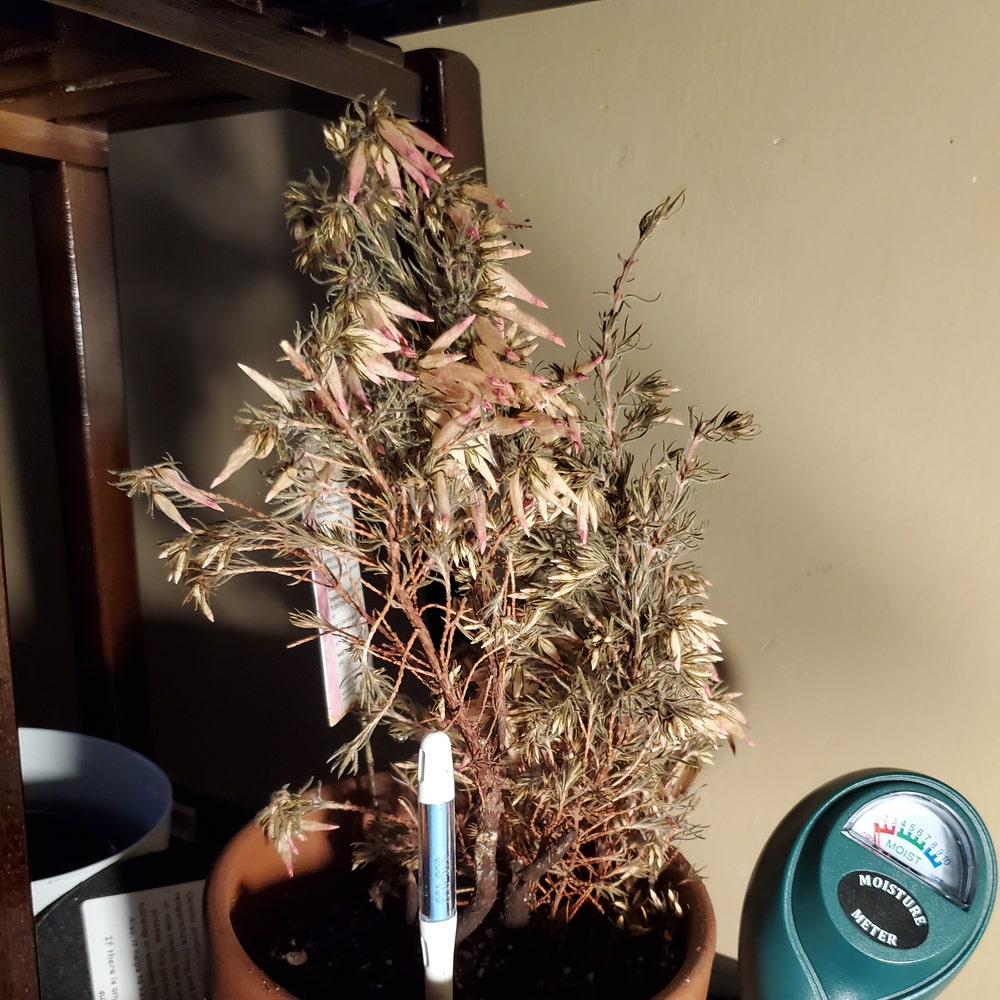
It's crucial to recognize signs of stress in your Italian Heather. Look for wilting, browning, or reduced growth, which indicate that your pruning techniques may need adjustment.
If you notice these signs, take corrective measures in your future pruning sessions. Pay attention to how the plant responds, and adapt your methods accordingly.
Post-Pruning Maintenance Tips 🛠️
After pruning, regular inspections for pests and diseases are essential. Keeping an eye on your plant helps catch any issues early.
Additionally, adjust your watering and fertilization practices to support recovery. Providing the right care will ensure your Italian Heather thrives after a good trim.
With these tips in mind, you can avoid common pitfalls and keep your plants healthy and vibrant. Next, let’s explore how seasonal considerations can further enhance your pruning strategy.
Seasonal Considerations
Adjusting Techniques Based on Growth 🌱
In spring, focus on shaping your Italian Heather and removing any dead material. This is the time to encourage fresh growth and ensure the plant maintains its desired form.
As fall approaches, light trimming becomes essential to prepare the plant for winter dormancy. This helps the Italian Heather conserve energy and stay healthy through the colder months.
Weather Conditions and Pruning Decisions ☁️
Avoid pruning during extreme weather conditions, such as high heat or frost. These situations can stress the plant and hinder recovery.
Adjust your pruning schedule based on rainfall and humidity levels. Wet conditions can lead to disease, while dry spells may necessitate more careful handling.
Preparing for Seasonal Changes 🍂
Ensure your Italian Heather has the proper shape for winter resilience. A well-shaped plant can better withstand harsh conditions.
Encourage robust growth for spring flowering by making thoughtful cuts in the fall. This sets the stage for a vibrant display when warmer weather returns.
With these seasonal considerations in mind, you can effectively care for your Italian Heather, ensuring it thrives year-round. Next, let’s explore the importance of deadheading to maximize blooming potential.
⚠️ Safety First
This content is for general information and may contain errors, omissions, or outdated details. It is not medical, veterinary advice, or an endorsement of therapeutic claims.
Always consult a qualified healthcare professional before using any plant as food, medicine, or supplement.
Never eat any plant (or feed one to pets) without confirming its identity with at least two trusted sources.
If you suspect poisoning, call Poison Control (800) 222-1222, the Pet Poison Helpline (800) 213-6680, or your local emergency service immediately.
Spotted an error? Please report it here.
Pruning your Italian Heather with thoughtful cuts ✂️ can transform your garden, and with Greg's personalized tips and reminders, you'll ensure your plants thrive through every season!