9 Key Factors in Choosing a Italian Heather Pot 🍕
Erica x darleyensis
By the Greg Editorial Team
Oct 04, 2024•6 min read
This article was created with the help of AI so we can cover more plants for you. May contain errors. See one? Report it here.
Unlock your Italian Heather's full potential 🌱 by mastering the art of pot size and material selection for thriving growth! 🪴
- 🌱 Choose the right pot size: 4-12 inches ensures healthy growth for Italian Heather.
- 💧 Proper drainage is essential: Use pots with 1/4 inch holes to prevent root rot.
- 🏺 Material matters: Clay pots breathe better, while plastic retains moisture—choose wisely!
Importance of Pot Size for Different Growth Stages
Seedling Stage 🌱
For seedlings, a pot size of 4-6 inches in diameter is ideal. This shallow depth supports their delicate, shallow root systems, ensuring they have enough room to grow without becoming overwhelmed.
Young Plant Stage 🌿
As your Italian Heather transitions to the young plant stage, increase the pot size to 6-8 inches in diameter. This size allows for root expansion while maintaining a balance of moisture, crucial for healthy growth.
Mature Plant Stage 🌳
When your plant reaches maturity, opt for a pot size of 10-12 inches in diameter. This larger space prevents root binding, promoting robust growth and overall plant health.
Understanding the right pot size for each growth stage is essential for nurturing your Italian Heather. With the correct size, you set the foundation for a thriving plant that flourishes beautifully.
Ideal Materials for Pots
🏺 Clay Pots
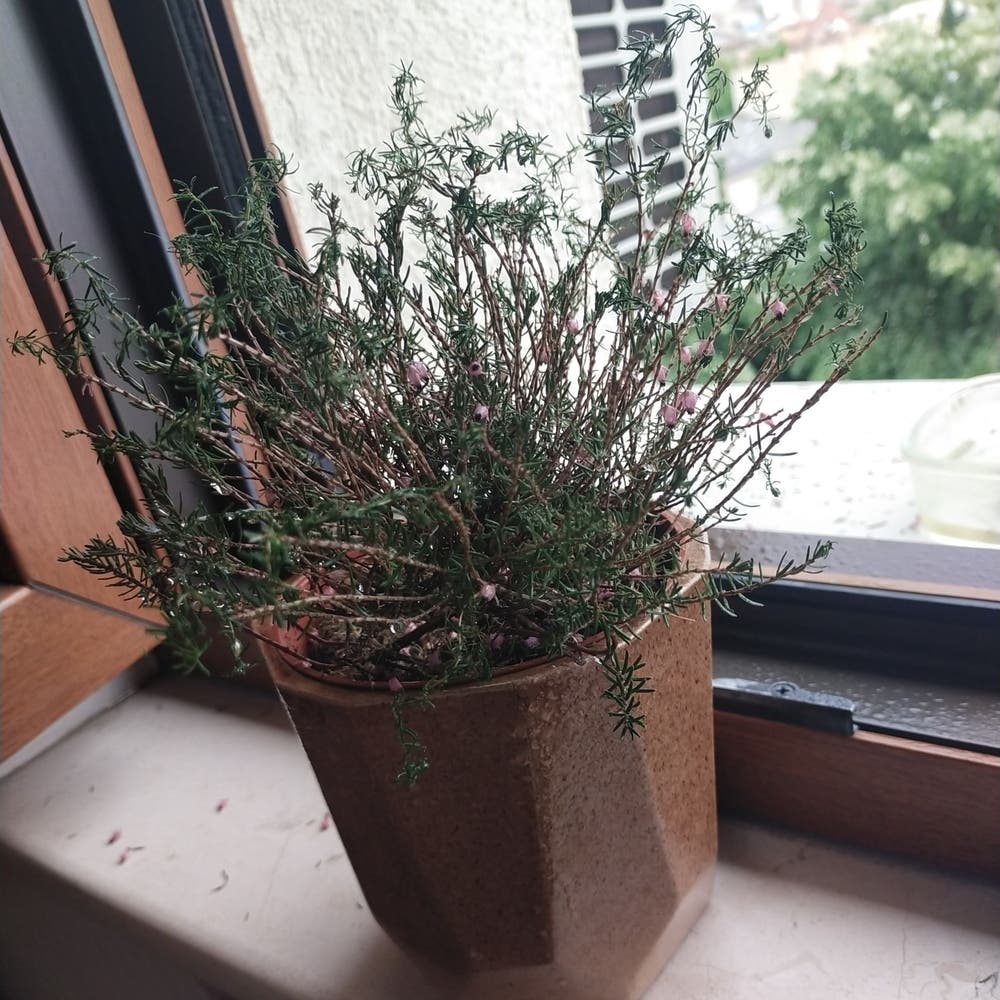
Clay pots are a fantastic choice for Italian Heather. They offer excellent breathability and moisture regulation, which is crucial for healthy plant growth.
However, they can be quite heavy. Moving them around might require a bit of effort, especially if you're rearranging your garden or indoor space.
🪴 Plastic Pots
Plastic pots are another popular option. They are lightweight and easy to handle, making them perfect for those who frequently change their plant arrangements.
On the downside, plastic pots may retain moisture longer than other materials. This means you'll need to monitor your watering habits closely to avoid overwatering.
🌿 Other Materials
Ceramic pots bring aesthetic appeal to your plant display. They can enhance the visual charm of your Italian Heather but tend to be heavier and less breathable than clay.
Biodegradable pots are an eco-friendly alternative. While they are great for the environment, they may not provide the long-term durability that some plants require.
Choosing the right pot material is essential for your Italian Heather's health. Consider your specific needs and the environment where your plants will thrive.
Next, let’s explore the significance of drainage holes and how they impact your plant's well-being.
Significance of Drainage Holes and Drainage Requirements
Importance of Drainage Holes 🌊
Drainage holes are crucial for the health of your Italian Heather. They prevent waterlogging, which can lead to root rot and other issues.
To ensure effective drainage, aim for holes that are at least 1/4 inch in diameter. This size allows excess water to escape, keeping the roots happy and healthy.
Drainage Requirements 💧
Maintaining the right soil moisture is key. Italian Heather thrives in slightly moist soil but can suffer if it becomes soggy.
For optimal growth, use a well-draining potting mix. Adding perlite or sand can enhance drainage, ensuring your plant gets the moisture it needs without drowning.
With proper drainage, your Italian Heather will flourish, setting the stage for the next steps in potting and care.
Repotting Italian Heather
When to Repot 🌱
Repotting your Italian Heather is crucial for its health. Look for signs like roots growing out of drainage holes or stunted growth; these indicate it's time for a new pot.
It's generally recommended to repot every 1-2 years, depending on how quickly your plant is growing. Keeping an eye on these signs will help ensure your plant thrives.
How to Choose the Right Pot When Repotting 🪴
Choosing the right pot is essential for your plant's continued growth. Always consider the growth stage of your Italian Heather; match the pot size to its current needs.
Material selection also plays a significant role. Opt for materials that align with your plant's moisture retention needs and the environmental conditions it faces. This thoughtful approach will set your Italian Heather up for success.
As you prepare to repot, remember that the right pot can make all the difference in your plant's health and vitality. Next, let’s explore common mistakes in pot selection to avoid any pitfalls.
Common Mistakes in Pot Selection
Choosing the Wrong Size Pot 🌱
Selecting the wrong pot size can lead to serious issues for your Italian Heather. Root binding occurs when roots become cramped, while excessive moisture retention can drown your plant.
To avoid these pitfalls, always measure the root ball before making a pot selection. This simple step ensures you choose a pot that accommodates growth without causing stress.
Ignoring Drainage Needs 🚿
Neglecting drainage needs is another common mistake. Overwatering can quickly lead to root rot, a fate no plant deserves.
Make it a habit to check drainage holes before potting. Ensure they are unobstructed to allow excess water to escape freely.
Selecting Inappropriate Materials 🪴
Choosing the wrong pot material can also jeopardize your plant's health. Poor moisture management can stress your Italian Heather, leading to stunted growth.
Opt for materials that align with the specific needs of your plant. Consider factors like breathability and moisture retention to create the best environment for thriving growth.
By avoiding these common mistakes, you set your Italian Heather up for success. Next, let’s explore effective tips for successful potting to ensure your plant flourishes.
Tips for Successful Potting
Step-by-Step Guide to Potting Italian Heather 🌱
Potting your Italian Heather can be a rewarding experience. Follow these simple steps for success:
- Select the appropriate pot size and material. Choose a pot that suits your plant's growth stage and preferred material.
- Prepare a well-draining potting mix. This is crucial for preventing waterlogging.
- Remove the plant from its current pot, gently loosening the roots. Be careful not to damage them during this process.
- Place the plant in the new pot, ensuring it sits at the same depth. This helps maintain stability and promotes healthy growth.
- Fill in with potting mix, leaving space for watering. Avoid packing the soil too tightly.
- Water thoroughly to settle the soil. This ensures good contact between the roots and the new potting mix.
Best Practices for Ensuring Proper Drainage 🚰
Proper drainage is vital for your Italian Heather's health. Here are some best practices:
- Use pots with multiple drainage holes. This prevents water from accumulating at the bottom.
- Elevate pots slightly to allow excess water to escape. This can be achieved with pot feet or by placing them on a slatted surface.
Recommendations for Pot Maintenance and Care 🧹
Maintaining your pot and plant is key to long-term success. Keep these tips in mind:
- Regularly check for root health. Look for signs of overwatering or root binding, which can hinder growth.
- Clean pots periodically. Remove old soil and debris to prevent disease and pests from taking hold.
By following these tips, you'll create a thriving environment for your Italian Heather. Now that you're equipped with potting knowledge, let’s explore common mistakes in pot selection to avoid pitfalls in your gardening journey.
⚠️ Safety First
This content is for general information and may contain errors, omissions, or outdated details. It is not medical, veterinary advice, or an endorsement of therapeutic claims.
Always consult a qualified healthcare professional before using any plant as food, medicine, or supplement.
Never eat any plant (or feed one to pets) without confirming its identity with at least two trusted sources.
If you suspect poisoning, call Poison Control (800) 222-1222, the Pet Poison Helpline (800) 213-6680, or your local emergency service immediately.
Spotted an error? Please report it here.
Choose the perfect pot for your Italian Heather 🌿 with Greg's tailored reminders and expert tips, ensuring your plant flourishes in its ideal environment!