🪴 Step-by-Step Guide to Choosing Soil for Italian Heather
Erica x darleyensis
By the Greg Editorial Team
Oct 04, 2024•5 min read
This article was created with the help of AI so we can cover more plants for you. May contain errors. See one? Report it here.
Revitalize your Italian Heather 🌿 with essential soil care tips for vibrant growth and flourishing blooms!
- 🌱 Moldy soil indicates overwatering; improve air circulation to protect Italian Heather.
- 🌿 Ideal soil mix for Italian Heather: 2 parts peat moss, 1 part perlite, 1 part compost.
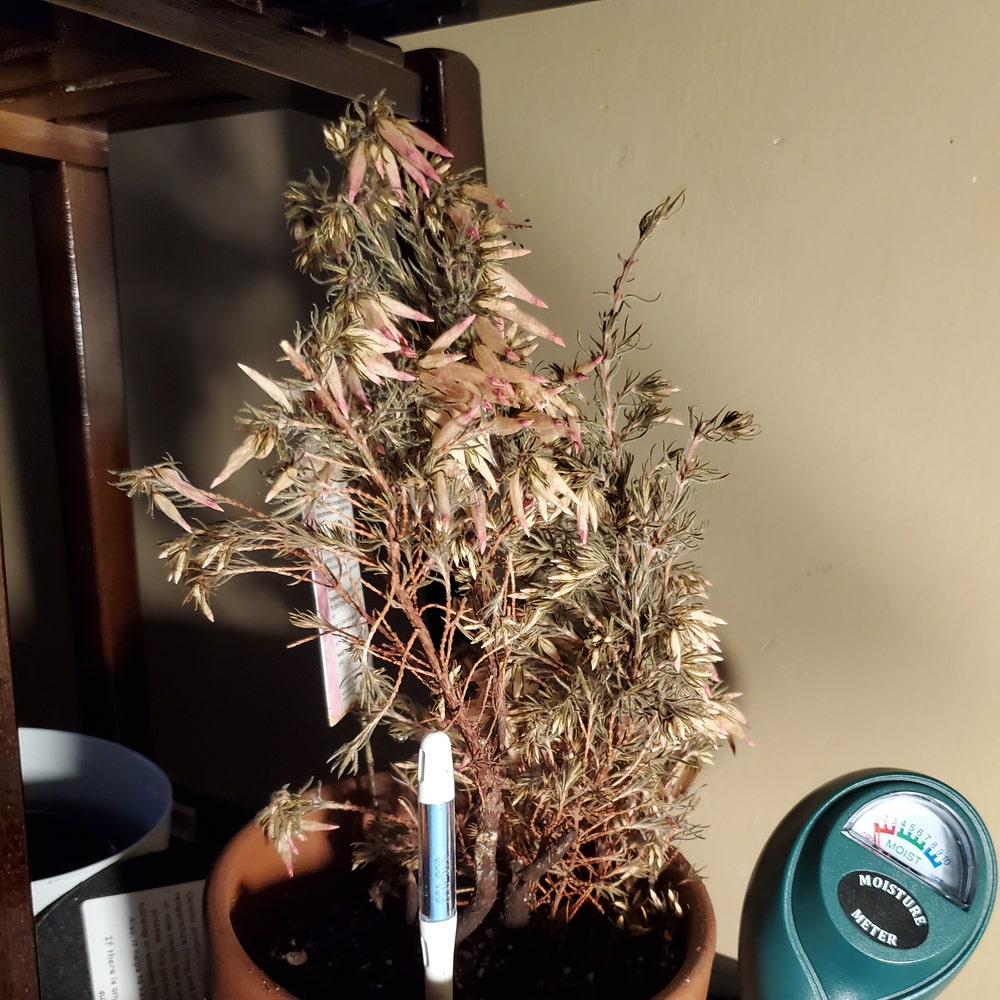
- 💧 Monitor moisture levels with soil meters to prevent overwatering and drought stress.
Identifying Unhealthy Soil
🚩 Signs of Unhealthy Soil
Moldy Soil: Identification and Implications
Moldy soil often appears with a white or gray film on the surface. This unsightly layer usually indicates overwatering or poor air circulation, both of which can harm your Italian Heather.
Soil Compaction: Symptoms and Effects
Compacted soil presents a hard, crusty surface that makes water penetration difficult. This condition can stifle root growth and limit nutrient absorption, leading to unhealthy plants.
🧪 How to Test Soil Health
Methods for Assessing Soil pH and Moisture Levels
Testing your soil's health is straightforward and essential. Use pH testing kits to measure acidity levels, ensuring your soil is suitable for Italian Heather.
Soil Moisture Meters: Importance in Monitoring
Soil moisture meters are invaluable tools for monitoring hydration. They help you determine when to water, preventing both overwatering and drought stress.
⚠️ Common Soil Problems for Italian Heather
Waterlogged Conditions: Causes and Consequences
Waterlogged soil can suffocate roots, leading to rot and other issues. This often results from poor drainage or excessive rainfall, which can be detrimental to your plants.
Nutrient Imbalances: Signs of Deficiencies
Watch for yellowing leaves, which may indicate nutrient deficiencies. Common culprits include inadequate nitrogen, phosphorus, or potassium, all vital for healthy growth.
Identifying these soil issues is the first step toward nurturing your Italian Heather. Next, we’ll explore how to resolve these problems effectively.
Resolving Soil Issues
🦠 Solutions for Moldy Soil
Moldy soil can be a real headache for your Italian Heather. The first step is to remove the affected top layer of soil and allow the remaining soil to dry out.
Next, improve air circulation around the plant. This can be as simple as repositioning the plant or using a fan to enhance airflow.
🏗️ How to Amend Compacted Soil
Compacted soil can stifle your plants' growth. To loosen it, start by incorporating organic matter like compost or well-rotted manure, which improves soil structure and aeration.
Additionally, consider using aeration tools such as a garden fork or aerator. These tools help create channels for air and water, making it easier for your Italian Heather to thrive.
🥦 Nutrient Deficiencies and Corrections
Identifying nutrient deficiencies is crucial for healthy Italian Heather. Look for symptoms like yellowing leaves, which may indicate a lack of nitrogen, phosphorus, or potassium.
To correct these deficiencies, use organic fertilizers tailored to your plant's needs. Options include compost, fish emulsion, or bone meal, each with specific application methods to ensure your soil is nutrient-rich.
By addressing these soil issues, you set the stage for a flourishing garden. Next, let's explore how to create a homemade soil mix that perfectly suits your Italian Heather's needs.
Creating a Homemade Soil Mix
🌱 Ingredients for a Suitable Soil Mix
Creating the perfect soil mix for Italian Heather is essential for its health and growth. Here are the key components to include:
Peat Moss
Peat moss is crucial for maintaining acidity and moisture retention. It helps create an environment that Italian Heather thrives in.
Perlite or Pumice
These materials enhance drainage, preventing water from pooling around the roots. Good drainage is vital for avoiding root rot.
Compost
Adding compost enriches the soil with nutrients and organic matter. It acts as a natural fertilizer, promoting robust plant growth.
🛠️ Step-by-Step Guide to Mixing Soil
Mixing your soil is straightforward. Follow these steps for the best results:
- Gather Materials: Collect peat moss, perlite, and compost.
- Mix Ratios: Use a ratio of 2 parts peat moss, 1 part perlite, and 1 part compost.
- Combine Thoroughly: Ensure all ingredients are mixed evenly for consistent texture and nutrient distribution.
🧪 Tips for Achieving the Right Texture and Drainage
Getting the right soil texture is crucial for your Italian Heather's success. Here’s how to check and adjust:
Testing Soil Texture
To test the soil texture, grab a handful and squeeze it. If it holds shape but crumbles easily, you’re on the right track.
Adjusting Ratios
Depending on your garden conditions, you may need to tweak the ratios. If your soil retains too much moisture, increase the perlite or pumice.
With these tips, you’ll create a soil mix that supports healthy growth for your Italian Heather. Next, let’s explore seasonal soil considerations to keep your plants thriving year-round.
Seasonal Soil Considerations
🌱 Adjusting Soil Care for Seasonal Changes
Spring is the perfect time to enhance soil nutrients for your Italian Heather. Start by adding organic matter, like compost, to boost nutrient levels and improve soil structure.
In summer, focus on monitoring moisture levels and drainage. Ensure your soil remains moist but not waterlogged, as this can lead to root rot.
❄️ Preparing Soil for Winter/Summer
Winterizing your soil is crucial for protecting it from frost damage. Consider covering the soil with mulch to insulate it and prevent freezing.
During summer, maintain moisture without risking waterlogging. Use techniques like drip irrigation to provide consistent moisture while allowing excess water to drain away.
With these seasonal strategies, your Italian Heather will thrive year-round, setting the stage for vibrant blooms and lush foliage.
⚠️ Safety First
This content is for general information and may contain errors, omissions, or outdated details. It is not medical, veterinary advice, or an endorsement of therapeutic claims.
Always consult a qualified healthcare professional before using any plant as food, medicine, or supplement.
Never eat any plant (or feed one to pets) without confirming its identity with at least two trusted sources.
If you suspect poisoning, call Poison Control (800) 222-1222, the Pet Poison Helpline (800) 213-6680, or your local emergency service immediately.
Spotted an error? Please report it here.
Ensure your Italian Heather flourishes with perfect soil care 🌱 by using Greg's tailored tips and moisture monitoring to keep your plant thriving all year round!