Step-by-Step Guide to Treating Root Rot in Italian Heather 🌱
Erica x darleyensis
By the Greg Editorial Team
Oct 04, 2024•6 min read
This article was created with the help of AI so we can cover more plants for you. May contain errors. See one? Report it here.
Revive your Italian Heather from root rot with these vital diagnosis and treatment tips! 🌿✨
- 🌱 Root rot in Italian Heather stems from overwatering, poor drainage, and fungal infections.
- 👀 Early signs include wilting leaves and dark, mushy roots—inspect regularly!
- 🧪 Prevent root rot by ensuring soil dries slightly between waterings and using well-draining pots.
Diagnosing Root Rot
🦠 Causes of Root Rot
Root rot can stem from several factors that compromise the health of your Italian Heather.
- Overwatering is the most common culprit, creating excess moisture that leads to anaerobic conditions.
- Poor soil drainage can also contribute, especially if the soil is compacted or heavy, trapping water around the roots.
- Fungal infections are frequent offenders, with various pathogens targeting root systems.
- Lastly, environmental stress from temperature fluctuations and humidity levels can weaken plants, making them more susceptible to rot.
🚨 Symptoms of Root Rot
Recognizing the symptoms of root rot early can save your plant from further decline.
- Wilting leaves often appear despite adequate watering, signaling distress.
- Yellowing foliage may indicate nutrient deficiencies, a common result of root damage.
- You might also notice stunted growth, where new shoots lack vigor.
- Upon inspection, root discoloration reveals dark, mushy roots that are a clear sign of rot.
🔍 Visual Signs of Root Rot
Visual cues can help you identify root rot before it’s too late.
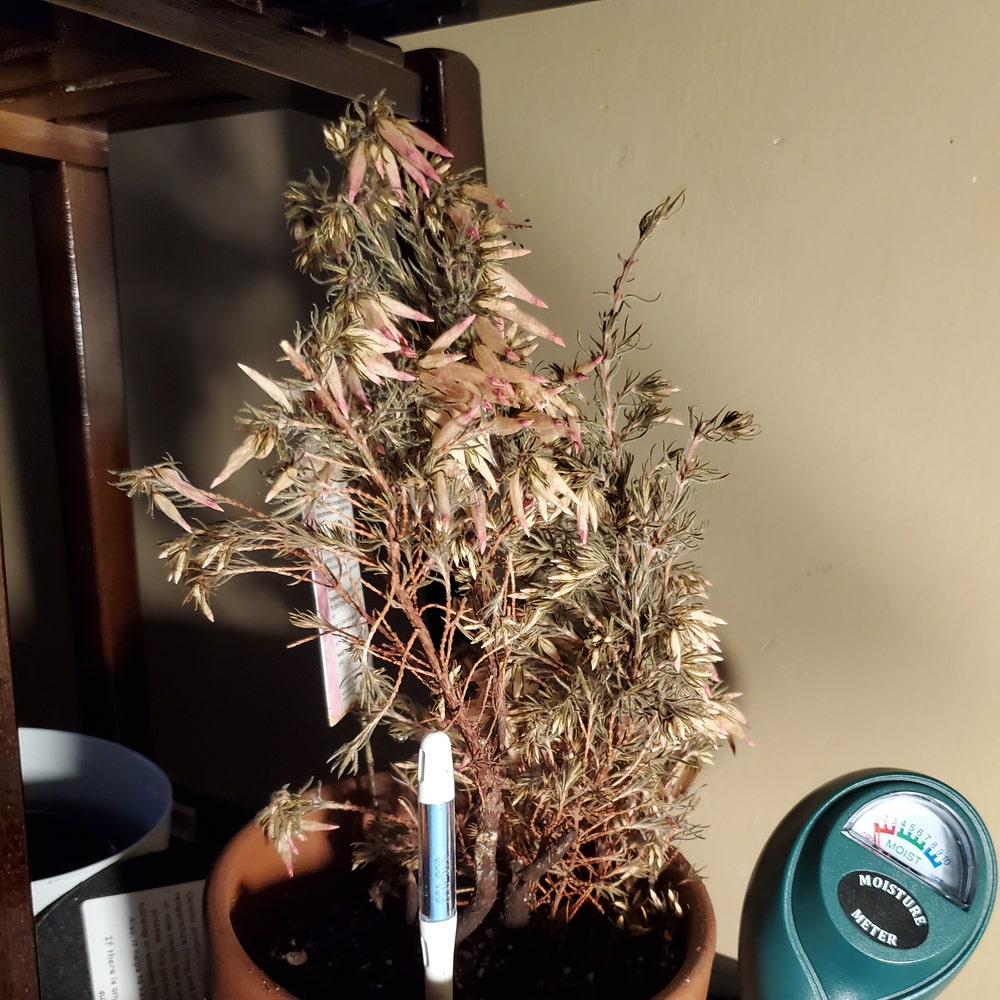
- Look for leaf symptoms like drooping, yellowing, and browning edges.
- The stem condition may also change, with soft or mushy stems at the base.
- When inspecting the roots, you may find dark, slimy roots, which are indicative of rot.
🌧️ Soil Testing for Moisture Levels
Understanding soil moisture is crucial for preventing root rot.
- Use techniques like the finger test or a moisture meter to check moisture levels.
- For Italian Heather, the ideal moisture level is slightly dry between waterings.
- Signs of overly wet soil include a soggy texture and a foul odor, both red flags for root rot.
🔪 Root Examination Techniques
Proper root examination is essential for diagnosing root rot effectively.
- To safely remove the plant from its pot, gently loosen the soil around the edges.
- Inspect the roots carefully, identifying healthy roots versus those that are rotting.
- You’ll need clean scissors or pruning shears for trimming any damaged roots.
By diagnosing root rot early and accurately, you can take the necessary steps to
Treating Root Rot
Step-by-Step Treatment Process 🌱
Remove the Plant: Start by gently taking the Italian Heather out of its pot. Inspect the roots carefully for any signs of rot.
Trim the Roots: Use sterilized scissors to cut away any black, mushy roots. This step is crucial to prevent further spread of rot.
Rinse Healthy Roots: Rinse the remaining healthy roots under lukewarm water. This helps remove any lingering pathogens.
Prepare a New Pot: Choose a new pot with good drainage and fill it with fresh, well-draining soil. This will provide a healthy environment for recovery.
Replant the Heather: Place the Italian Heather back in the pot, ensuring the root crown is level with the soil surface. This positioning is vital for proper growth.
Water Lightly: After replanting, water the soil lightly to help settle it. Be cautious not to overwater at this stage.
Recommended Fungicides or Treatments 🧪
Types of Fungicides: Consider using systemic fungicides that work from within the plant or contact fungicides that target surface pathogens.
Application Methods: Apply fungicides by drenching the soil or spraying the foliage. Follow the instructions on the product for best results.
Organic Alternatives: If you prefer natural options, neem oil or beneficial microbes can be effective. These alternatives are gentler on the environment.
Repotting Techniques for Affected Plants 🌍
Choosing the Right Pot: Select a pot that is appropriately sized and has adequate drainage holes. This prevents water accumulation, which can lead to root rot.
Soil Composition: Mix acidic, well-draining soil using components like peat and perlite. This combination promotes healthy root growth.
Timing for Repotting: The best time to repot is during the growing season. This ensures the plant has the best chance to recover and thrive.
By following these steps, you can effectively treat root rot in your Italian Heather. With the right care, your plant can bounce back and flourish once again. Next, let’s explore how to prevent root rot from occurring in the first place.
Preventing Root Rot
Best Soil Types for Italian Heather 🌱
To keep your Italian Heather thriving, start with an acidic, well-draining potting mix. This type of soil helps prevent water retention, which is crucial for avoiding root rot.
Maintaining a soil pH between 5.5 and 6.5 is essential. This range supports nutrient absorption and overall plant health.
Consider adding amendments like perlite or sand to enhance drainage. These materials create air pockets, allowing excess moisture to escape.
Watering Practices to Avoid Root Rot 🚰
Watering frequency is key. Always allow the top inch of soil to dry out before the next watering to prevent soggy conditions.
Look for signs of proper watering, such as the plant's response and soil moisture checks. Healthy plants will perk up after watering, while droopy leaves indicate overwatering.
When watering, opt for deep watering techniques rather than surface watering. This ensures that moisture reaches the roots without saturating the top layer of soil.
Importance of Drainage and Pot Selection 🏺
Choosing pots with drainage holes is non-negotiable. These holes prevent water accumulation, which is a primary cause of root rot.
Consider the material of your pots. Terracotta pots are breathable, allowing moisture to evaporate, while plastic pots retain more moisture.
Elevating pots can also help. This simple step promotes airflow to the bottom, reducing the risk of waterlogged soil.
By implementing these practices, you can significantly reduce the risk of root rot and keep your Italian Heather healthy and vibrant. Next, let’s explore how to monitor your plant's health effectively.
Monitoring Plant Health
🌱 Regular Checks for Root Health
To keep your Italian Heather thriving, conduct monthly inspections for signs of distress. Focus on root color, soil moisture, and leaf condition to catch any issues early.
Documenting changes is crucial. Keeping a care journal helps track progress and identify patterns in your plant's health.
🌿 Signs of Recovery After Treatment
After addressing root rot, look for new growth as a positive sign. Fresh leaves and stems indicate your plant is bouncing back.
Improved color is another encouraging sign. Watch for a return to vibrant green hues, and keep an eye out for flowering, which signals successful recovery.
🛠️ Long-Term Care Strategies to Prevent Recurrence
Establishing a care routine is essential for long-term health. Regular watering and feeding schedules help maintain optimal conditions.
Be prepared to make seasonal adjustments. Modifying care based on climate changes ensures your Italian Heather remains healthy year-round.
Finally, educate yourself on your plant's specific needs. Understanding what Italian Heather requires will empower you to provide the best care possible.
By monitoring plant health and implementing these strategies, you can enjoy a flourishing Italian Heather for years to come. Next, let’s explore how to prevent root rot from occurring in the first place.
⚠️ Safety First
This content is for general information and may contain errors, omissions, or outdated details. It is not medical, veterinary advice, or an endorsement of therapeutic claims.
Always consult a qualified healthcare professional before using any plant as food, medicine, or supplement.
Never eat any plant (or feed one to pets) without confirming its identity with at least two trusted sources.
If you suspect poisoning, call Poison Control (800) 222-1222, the Pet Poison Helpline (800) 213-6680, or your local emergency service immediately.
Spotted an error? Please report it here.
Keep your Italian Heather root rot-free 🌿 by using Greg's tailored moisture alerts and care tips to ensure it thrives in your home!