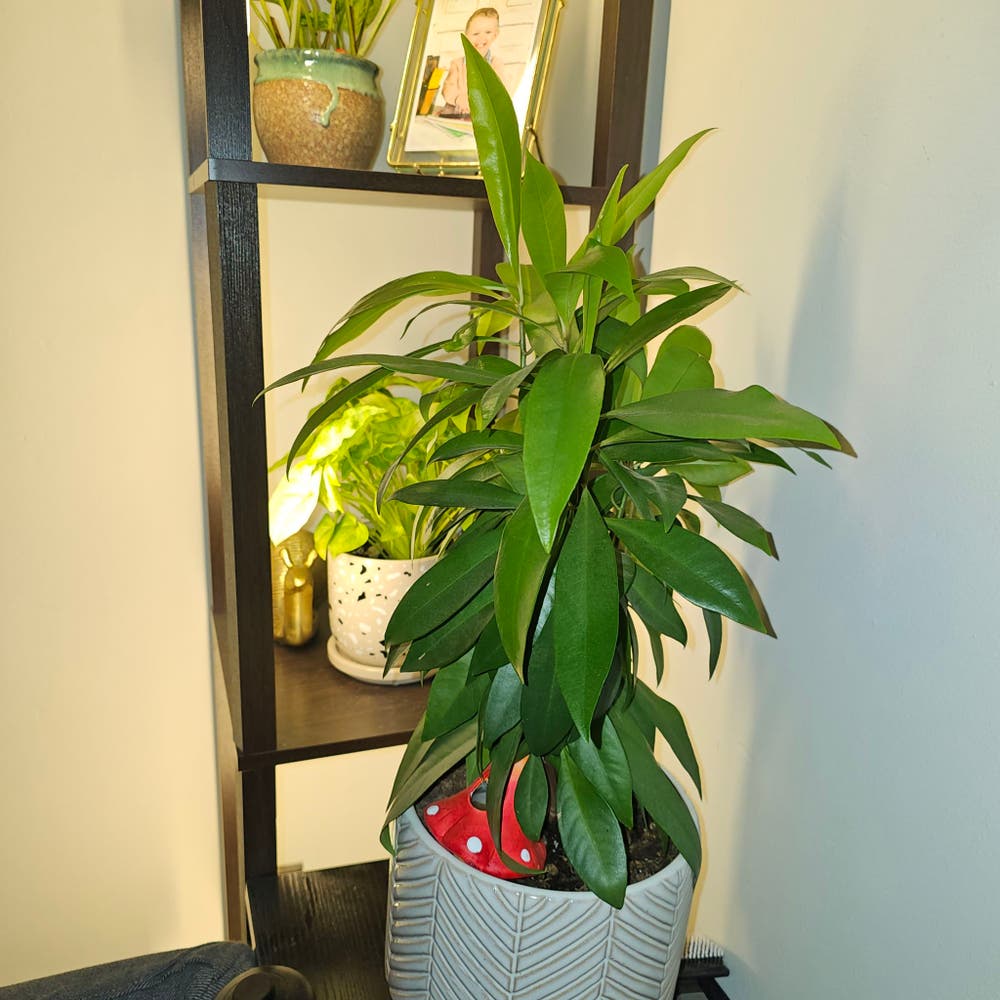
How to Know When to Repot an Ardisia Plant?
Ardisia polysticta
By the Greg Editorial Team
Apr 26, 2024•4 min read
This article was created with the help of AI so we can cover more plants for you. May contain errors. See one? Report it here.
Unlock your Ardisia's growth potential by spotting the perfect repotting moment! 🌿
- Roots peeking out? Time to repot your Ardisia.
- 🌱 Slow growth or dry soil? Consider a new pot and soil.
- Gentle repotting in spring/summer ensures a happy Ardisia.
Spotting the Tell-Tale Signs for Repotting
🌱 Roots on the Run: Recognizing when roots are seeking new territory
If your Ardisia's roots are making a break for it out of the drainage holes, take note. This isn't a case of wanderlust; it's a cramped cry for help. A root-bound plant is like a tenant living in an apartment too small to turn around in.
💧 Thirsty Much?: How water behavior can signal the need for more space
When water zips through the soil like a kid on a waterslide, it's a sign the roots have taken over. Quick-drying soil means there's more root than room, and your Ardisia is likely thirstier than a marathon runner without a water station in sight.
🌱 Growth Grind to a Halt: When your Ardisia stops reaching for the stars
If your Ardisia's growth has slowed to a snail's pace, it's not just being lazy. Compacted roots can't support the plant's ambitions, leaving it stuck in a vegetative rut. It's time to give your green friend the space it needs to grow up, quite literally.
The Repotting Rundown: A Step-by-Step Guide
🌱 Prepping Your Plant for the Big Move
Timing is crucial. Spring or summer is ideal for repotting, as Ardisia plants are in their growth phase and can recover more easily. Ensure your workspace is ready—clean tools, a tarp for messes, and a calm mindset.
🌿 Out with the Old: Safely Uprooting Your Ardisia
Be gentle. Ease the plant out by tipping the pot and coaxing, not yanking. If the roots resist, tap or squeeze the pot to loosen them. For roots peeking through drainage holes, untangle carefully—snip only if you must, with sterilized scissors.
🏺 Home Sweet Home: Selecting the Perfect Pot
Material matters. Terracotta breathes, plastic retains moisture, and ceramic adds weight. Each has its merits, but ensure your choice has drainage holes. Size it right: just one size larger than the current pot to prevent overwatering.
🌱 The Ideal Mix: Crafting the Perfect Potting Soil
Mixing it up, aim for a well-draining, airy blend. A mix of peat, perlite, and pine bark can work wonders. Acidic affinity is key for Ardisia—aim for a pH that keeps your plant singing, not sinking.
Immediate Aftercare: Helping Your Ardisia Settle In
💧 The First Sip: Watering guidelines post-repotting
After repotting, hold off on watering your Ardisia for a couple of days to let any disturbed roots heal. When it's time for that first drink, water thoroughly but ensure you’re not leaving the soil soggy. This helps the soil settle and eliminates air pockets, which can be a real stressor for the roots. Remember, your Ardisia isn't a fish; it doesn't want to swim, just stay hydrated.
🌞 Light and Cozy: Ensuring the right environment for recovery
Place your Ardisia in a spot with bright, indirect light; direct sunlight is like reading with a flashlight—it's just too intense. Keep the environment stable—no drastic temperature changes or drafts. Think of it as creating a recovery room that's not too hot, not too cold, but just right. If you notice your plant throwing a fit (drooping or discolored leaves), it might be begging for a change in lighting or watering—so stay alert.
Repotting Pitfalls: Tips to Keep Your Ardisia Happy
🌱 Avoiding the Oversize Trap: Why Bigger Isn't Always Better
Size matters when it comes to pots. A mansion-size pot for your Ardisia might seem generous, but it's a setup for soggy soil and root rot. Stick to a pot that's just the next size up—your plant's roots need cozy, not cavernous.
💧 The Watering Conundrum: Balancing Hydration Without Drowning Your Plant
Overwatering is the fast track to a plant funeral. Post-repotting, aim for moist, not marshy. If the soil feels like a wet sponge, you've gone overboard. Drainage holes are non-negotiable; they're the escape route for excess water.
🌿 Root Respect: Handling the Heart of Your Plant with Care
The roots are the lifeline of your Ardisia. When repotting, think of yourself as a root whisperer—gentle and attentive. Tease the roots apart if they're bound, but avoid going full-on Hulk. Damage control is key; keep those roots happy and your plant will thrive.
⚠️ Safety First
This content is for general information and may contain errors, omissions, or outdated details. It is not medical, veterinary advice, or an endorsement of therapeutic claims.
Always consult a qualified healthcare professional before using any plant as food, medicine, or supplement.
Never eat any plant (or feed one to pets) without confirming its identity with at least two trusted sources.
If you suspect poisoning, call Poison Control (800) 222-1222, the Pet Poison Helpline (800) 213-6680, or your local emergency service immediately.
Spotted an error? Please report it here.
Ensure your Ardisia flourishes by getting custom repotting reminders 📅 from Greg, tailored to your plant's specific needs and growth cycle.