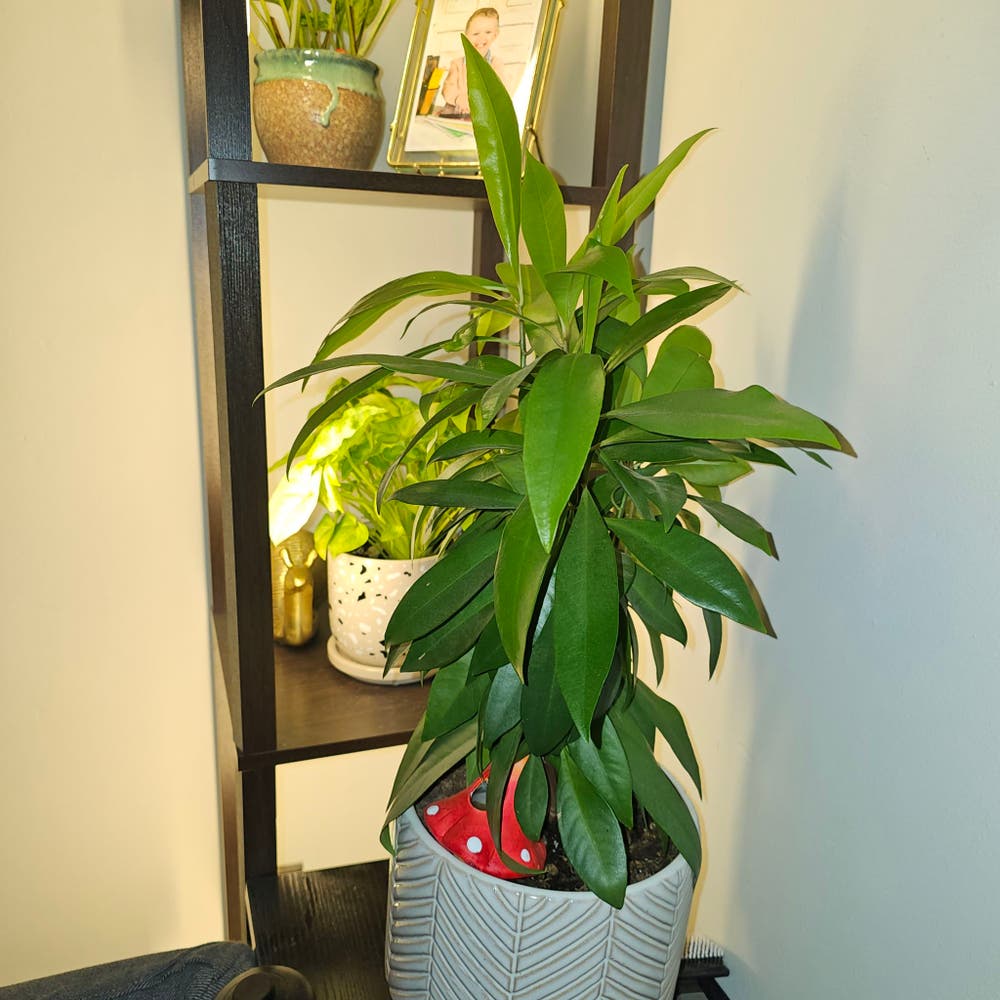
🐛 What Are The Bugs on My Ardisia Plant?
Ardisia polysticta
By the Greg Editorial Team
Apr 26, 2024•3 min read
This article was created with the help of AI so we can cover more plants for you. May contain errors. See one? Report it here.
Safeguard your Ardisia's lush leaves from creepy-crawlies 🐛 with these foolproof pest-banishing tips! 🌿
- Neem oil and soap evict spider mites; high humidity deters them.
- Alcohol swabs and horticultural oil combat scale insects.
- Hydrogen peroxide soil drench and sticky traps control gnats and flies.
Meet the Unwanted Guests: Common Pests on Ardisia Plants
🕷️ Spider Mites: The Sneaky Sap-Suckers
Fine webbing and mottled leaves are the red flags signaling a spider mite invasion. These minuscule marauders are not just a nuisance; they're a threat to your Ardisia's vitality.
Evict them with a targeted application of neem oil or insecticidal soap, ensuring you cover all the nooks and crannies of your plant. Consistency is key in this battle; repeat treatments may be necessary.
Maintain high humidity around your Ardisia to deter future spider mite shindigs. Regular inspections are non-negotiable—get up close and personal with your plant to catch these pests before they settle in.
🛡️ Scale: The Sticky Freeloaders
Scale insects masquerade as harmless bumps on your Ardisia's stems and leaves. But don't be fooled—these sticky squatters can do some serious damage.
For eviction, swab them with alcohol or apply horticultural oil with precision. These treatments disrupt the scale's life cycle, sending a clear message that they're not welcome.
Cleanliness is your best defense. Keep your plant's environment tidy and inspect new plants thoroughly to prevent these pests from moving in.
🦟 Fungus Gnats and Fruit Flies: The Soil Party Crashers
Tiny flies hovering around your Ardisia are a sign that fungus gnats or fruit flies have crashed the party. These pests love moist soil and can be more than just an annoyance.
To end the party, mix hydrogen peroxide with water for a soil drench, and set up sticky traps to catch adults. This one-two punch will reduce their numbers significantly.
Prevent overwatering woes by allowing the soil to dry between waterings—no moist soil, no pest rave.
🐛 Mealybugs: The Fluffy White Menace
White cottony masses on your Ardisia are a dead giveaway that mealybugs have moved in. These fluffy fiends can quickly overrun your plant if left unchecked.
Alcohol swabs, neem oil, or insecticidal soap are your weapons of choice in this bug battle. Apply with diligence, focusing on the crevices where mealybugs love to hide.
Regular checks and keeping the foliage clean are proactive measures that can save you a lot of trouble down the line.
🌿 Thrips: The Leaf Disfigurers
Silvery leaves and twisted growth are telltale signs that thrips are disfiguring your Ardisia. These pests are not just cosmetic concerns; they can seriously harm your plant's health.
Thrip thrashing requires a combination of insecticidal soap, neem oil, and introducing natural predators if possible. It's a multi-pronged approach to reclaim your plant's well-being.
To avoid thrip troubles, quarantine new plants and inspect them regularly. Vigilance is your best defense against these stealthy invaders.
Integrated Pest Defense for Ardisia Plants
🛡️ Building a Bug-Resistant Sanctuary
Understanding your plant's needs is the cornerstone of pest prevention. Just like a tailored suit, the right conditions can make your Ardisia less appealing to pests.
Airflow and moisture are the yin and yang of plant health. Strike a balance to avoid creating a bug haven. Think of it as setting the thermostat to 'unwelcome' for pests.
Natural allies are your garden's unsung heroes. Encourage beneficial insects by planting a diverse array of flora. It's like forming an insect neighborhood watch for your Ardisia.
Remember, cleanliness isn't just for show; it's a pest deterrent. Regularly remove dead leaves and debris to keep critters from settling in.
Companion planting can be a game-changer. It's like having a secret handshake with nature, inviting the good bugs and shooing away the bad.
Lastly, knowledge is power. Stay informed about common pests and their life cycles. It's like knowing the enemy's playbook in the game of garden defense.
⚠️ Safety First
This content is for general information and may contain errors, omissions, or outdated details. It is not medical, veterinary advice, or an endorsement of therapeutic claims.
Always consult a qualified healthcare professional before using any plant as food, medicine, or supplement.
Never eat any plant (or feed one to pets) without confirming its identity with at least two trusted sources.
If you suspect poisoning, call Poison Control (800) 222-1222, the Pet Poison Helpline (800) 213-6680, or your local emergency service immediately.
Spotted an error? Please report it here.
Keep your Ardisia pest-free 🛡️ with Greg's tailored care reminders, ensuring you're always one step ahead of those tiny invaders.