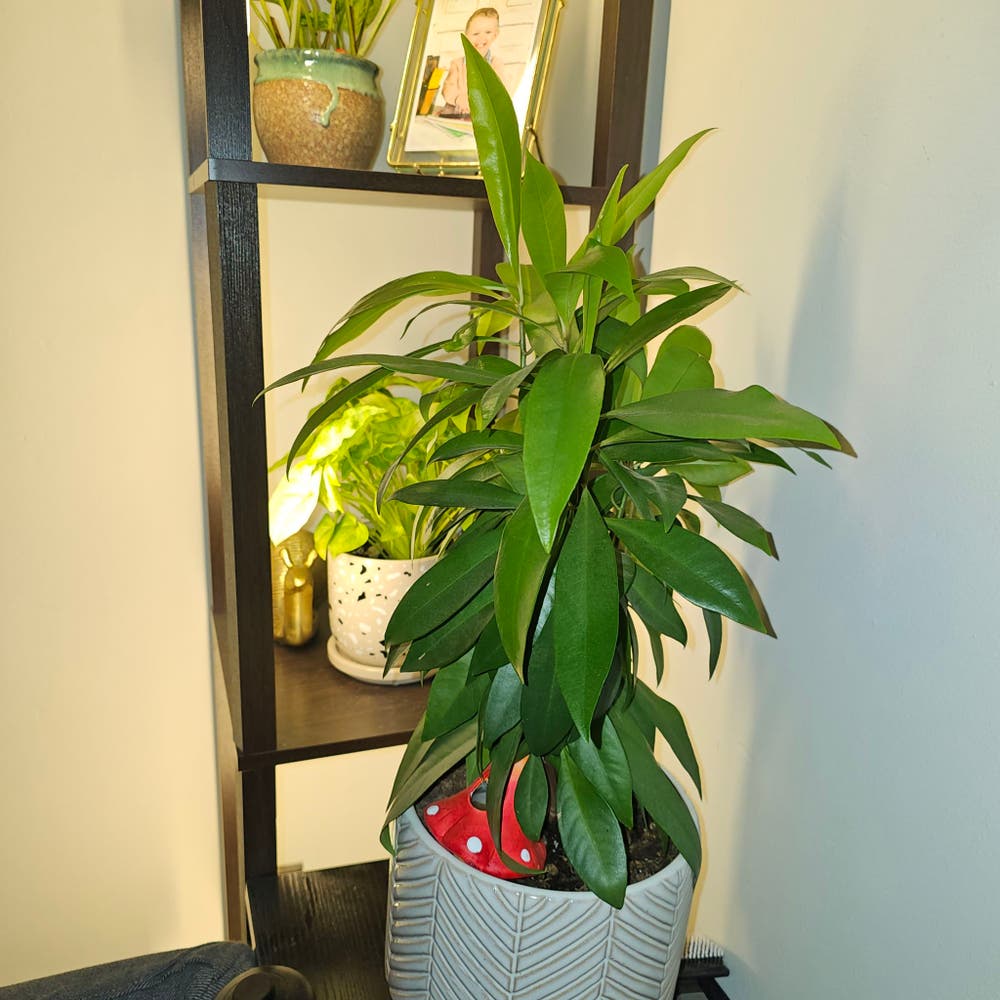
What Is A Good Temperature Range For My Ardisia Plant?
Ardisia polysticta
By the Greg Editorial Team
Apr 26, 2024•5 min read
This article was created with the help of AI so we can cover more plants for you. May contain errors. See one? Report it here.
Ensure your Ardisia plant flourishes 🌿 by mastering its perfect temperature range and sidestepping heat woes.
- 60-80°F (15-27°C) is the sweet spot for Ardisia plant health.
- 🌡️ Watch for wilting or reddish leaves as signs of temperature stress.
- Consistent temperature and humidity encourage Ardisia blooms.
Nailing the Perfect Temperature for Ardisia Bliss
🌡️ The Goldilocks Zone: Ardisia's Happy Temperature Range
Ardisia plants are picky about their climate. They prefer the comfort of a temperature range between 60-80°F (15-27°C). Stray outside these limits, and you'll witness a plant protest in the form of stunted growth or leaf loss.
🌡️ When Things Heat Up or Cool Down: Adjusting Your Care
Seasonal shifts are like pop quizzes for plant parents—be ready to adapt. In the summer, shield your Ardisia from the harsh sun. Think of it as giving your plant some sunglasses. As winter approaches, protect it from the chill—like wrapping it in a plant-sized blanket. Keep an eye on indoor humidity too; it's a sneaky variable that can tip the scales of plant comfort.
Recognizing When Your Ardisia Feels the Heat (or Chill)
🌡️ Telltale Signs of Temperature Trouble
Ardisia plants, like any good houseguest, prefer their surroundings neither too hot nor too cold. Wilting leaves are your first clue that your plant might be throwing a temperature tantrum. If the foliage starts to resemble an overcooked spinach leaf, it's likely feeling the heat. On the flip side, leaves that take on a reddish tinge or become droopy are broadcasting their discomfort with the cold.
From Droopy Leaves to Flower Fails: Understanding the Consequences
Temperature stress doesn't just stop at aesthetics; it can stunt your Ardisia's growth or cause it to cease flowering altogether. Brown spots on leaves are not just a blemish—they're a cry for help, indicating that your plant is too cold. Conversely, leaves that turn a crispy yellow are waving a flag of surrender to excessive heat. These symptoms are more than cosmetic; they're signposts pointing to a plant that's struggling to thrive in its current environment.
Keeping Your Cool: Preventing Temperature Tantrums
🌬️ Drafts and Sunburns: Avoiding Common Temperature Pitfalls
Drafts and direct heat are the kryptonite of Ardisia's comfort. To shield your plant from these villains, strategic placement is key. Windows may offer the best natural light, but they can also amplify heat like a magnifying glass on a sunny day. Conversely, air vents can turn a tropical vibe into a polar expedition. Keep your Ardisia away from these areas to maintain a stable environment.
🌡️ The Thermostat Tango: Balancing Indoor Temperatures
Balancing your home's temperature for Ardisia care is less about precision and more about avoiding extremes. Think of your thermostat as a dance partner, leading your plant through the seasons with grace. Aim for a steady 60-85°F (15-29°C) range, sidestepping the drama of temperature swings. Remember, technology is your ally here—a reliable thermostat can be as crucial as the watering can.
When Temperatures Tangle with Blooms
🌡️ Warmth and Blooms: The Temperature-Flowering Connection
Ardisia plants are picky bloomers, requiring just the right temperature to strut their stuff. The sweet spot for these plants lies in a warm and stable climate, typically between 60-80°F (15-27°C). This range encourages the Ardisia to produce its delicate flowers, rewarding the attentive gardener with a vibrant display.
Consistency is key; fluctuations in temperature can leave your Ardisia's flowering ambitions high and dry. Think of it as setting the stage for an encore performance where the thermostat plays a leading role. Too hot, and the plant may prioritize survival, too cold, and it might withhold its blooms altogether.
To coax out those blooms, mimic the gentle transition between seasons. Gradual changes in temperature, rather than abrupt shifts, are more likely to result in a floral spectacle. This approach mirrors the natural rhythm Ardisia plants would experience in their native habitat.
Remember, it's not just about the heat. Humidity partners with temperature to create an ideal blooming environment. Moderate humidity levels can enhance the plant's ability to produce flowers, so consider regular misting or a humidifier if your indoor air is on the dry side.
Lastly, be patient. Even with the perfect temperature and humidity, Ardisia plants may take their time to bloom. They're not the type to rush the process, so steady care over time is your best bet for encouraging those sought-after flowers.
A Quick Note on Humidity
Humidity is crucial for your Ardisia plant, almost as much as the temperature. It's like the bassist in a rock band—often overlooked but essential for the perfect harmony.
🌴 The Humidity-Temperature Tango
Ardisia plants hail from tropical climates, so they crave that moist air. Aim for a 50-60% relative humidity level to hit the sweet spot.
🌡 Monitoring and Adjusting Humidity
Don't guess; use a hygrometer to keep tabs on moisture levels. If your home's air is drier than a stand-up comedian's wit, consider a cool-mist humidifier to bring back the tropics.
🌿 Humidity Hacks
Grouping plants can create a microclimate of shared humidity, a little ecosystem of their own. And remember, plants aren't fans of drafts or the Sahara-like heat from radiators. Keep them away from these to avoid a humidity nosedive.
🍃 The Role of Humidity in Ardisia Care
Without proper humidity, your Ardisia might throw a fit, with leaves as droopy as a teenager asked to do chores. Consistency is key—abrupt changes in humidity can be as shocking to plants as a plot twist in a thriller novel.
Remember, temperature and humidity are the dynamic duo of plant care. Get them right, and your Ardisia will be as content as a cat in a sunbeam.
⚠️ Safety First
This content is for general information and may contain errors, omissions, or outdated details. It is not medical, veterinary advice, or an endorsement of therapeutic claims.
Always consult a qualified healthcare professional before using any plant as food, medicine, or supplement.
Never eat any plant (or feed one to pets) without confirming its identity with at least two trusted sources.
If you suspect poisoning, call Poison Control (800) 222-1222, the Pet Poison Helpline (800) 213-6680, or your local emergency service immediately.
Spotted an error? Please report it here.
Keep your Ardisia blooming with ease by letting Greg track the sweet spot 🌡 of 60-80°F and 50-60% humidity, ensuring your green friend's happiness.