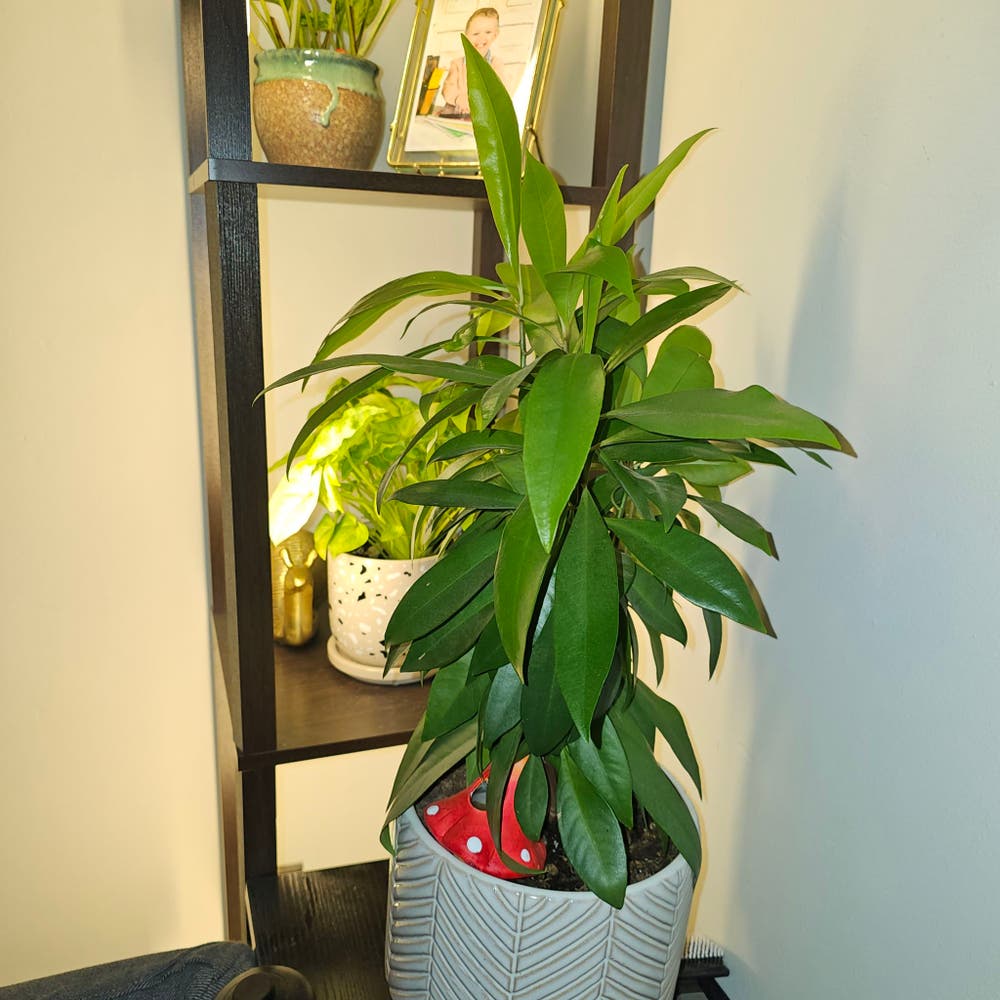
Ardisia Plant - Fertilizing 101
Ardisia polysticta
By the Greg Editorial Team
Apr 26, 2024•4 min read
This article was created with the help of AI so we can cover more plants for you. May contain errors. See one? Report it here.
Nurture vibrant Ardisia blooms 🌺 with the perfect fertilization strategy—find out how!
- N-P-K ratios matter for Ardisia's nutrient needs and blooming.
- Seasonal fertilizing aligns with growth cycles; less in winter.
- Over-fertilization signs: yellow leaves, stunted growth; flush soil if needed.
Choosing the Right Fertilizer for Your Ardisia
💡 Understanding N-P-K Ratios
Navigating the N-P-K ratios on fertilizer packages is crucial for your Ardisia's well-being. These numbers represent the percentages of nitrogen (N), phosphorus (P), and potassium (K) in the mix. A balanced 10-10-10 ratio is often recommended, ensuring your plant gets an even spread of these essential nutrients for growth and flowering.
🍽️ Liquid vs. Granular vs. Slow-Release
When it comes to fertilizer forms, it's a showdown of convenience versus control. Liquid fertilizers are like a quick shot of espresso for your plants, providing rapid nutrient delivery, but requiring more frequent applications. Granular types are the crockpots of the fertilizer world, slow and steady, but with unpredictable release rates. Slow-release fertilizers, on the other hand, are the trust funds, doling out nutrients over time and reducing the risk of overfeeding.
🌱 Organic Options
For those leaning towards a more natural approach, organic fertilizers are the way to go. They're the slow food movement for plants, releasing nutrients at a pace your Ardisia can handle, fostering root health and minimizing the chance of nutrient burn. While they require a bit more patience, they're a sustainable choice that can improve your soil's structure over time.
Timing is Everything: When to Fertilize
🌱 Growth and Dormancy Cycles
Aligning fertilization with Ardisia's growth cycles is crucial. During spring, as new shoots emerge, begin a bi-weekly fertilization routine. This period of active growth is when your Ardisia craves nutrients the most. Come winter, the plant enters dormancy. Ease up on the feeding; it's time for the plant to rest.
📅 Seasonal Fertilizing Tips
Spring is a signal to start fertilizing. It's like flipping the switch to 'grow mode' for your Ardisia. Continue this support through summer, maintaining a steady fertilization schedule to bolster the plant's active phase. When autumn rolls in, dial back. The plant's gearing down, and so should you. Over-fertilizing in fall is like revving the engine when you're already parked.
How to Fertilize Ardisia Without Overdoing It
💦 Application Techniques
Mix it up when applying fertilizer to ensure even distribution and prevent root burn. Apply granular fertilizer directly to the soil, not the leaves, to avoid damage. For liquid fertilizers, dilute to half-strength and water the soil line, steering clear of foliage. Pre-watering and post-watering can aid in nutrient uptake and reduce salt buildup.
💡 Dosage Matters
Start with the manufacturer's guidelines, but remember, less is more. Over-fertilization can lead to nutrient overload and plant stress. Consider the size and age of your Ardisia when determining the right amount—smaller, younger plants generally require less. Adjust your approach based on the plant's response, not a rigid schedule.
🌱 Monitoring Plant Response
Observe your Ardisia post-fertilization. Signs of improvement are good, but distress means it's time to recalibrate. Look for new growth as a positive indicator. If you've gone overboard, it's not the end of the world—just dial it back and let your plant recover at its own pace. Your Ardisia's feedback is the best guide for future fertilization.
Troubleshooting: Dealing with Over-Fertilization
🚨 Spotting the Signs
Yellowing leaves, stunted growth, and a white crust on the soil are your Ardisia crying out for help. Brown leaf tips? That's a clear distress signal. If you're seeing a nutrient party gone wild, it's time to dial it back.
🛠 Quick Fixes
Stop fertilizing immediately. Flush the soil with water to wash away the excess salts—think of it as hitting the reset button. Ensure your pot has adequate drainage to avoid waterlogging. Visible fertilizer on the soil's surface? Get rid of it. Prune the damaged foliage to redirect energy to healthy growth.
🌱 Long-Term Recovery
Hold off on the next fertilizer round until you see signs of recovery, like new growth. Going forward, remember: less is often more. Reevaluate your fertilization strategy, keeping an eye on your plant's response. Adjust based on what you observe, and aim for that sweet spot where your Ardisia thrives without the side effects of overindulgence.
⚠️ Safety First
This content is for general information and may contain errors, omissions, or outdated details. It is not medical, veterinary advice, or an endorsement of therapeutic claims.
Always consult a qualified healthcare professional before using any plant as food, medicine, or supplement.
Never eat any plant (or feed one to pets) without confirming its identity with at least two trusted sources.
If you suspect poisoning, call Poison Control (800) 222-1222, the Pet Poison Helpline (800) 213-6680, or your local emergency service immediately.
Spotted an error? Please report it here.
Nourish your Ardisia to perfection with a balanced 10-10-10 diet and let Greg's 🌿 custom reminders keep your fertilizing on point, avoiding overindulgence and ensuring vibrant growth.