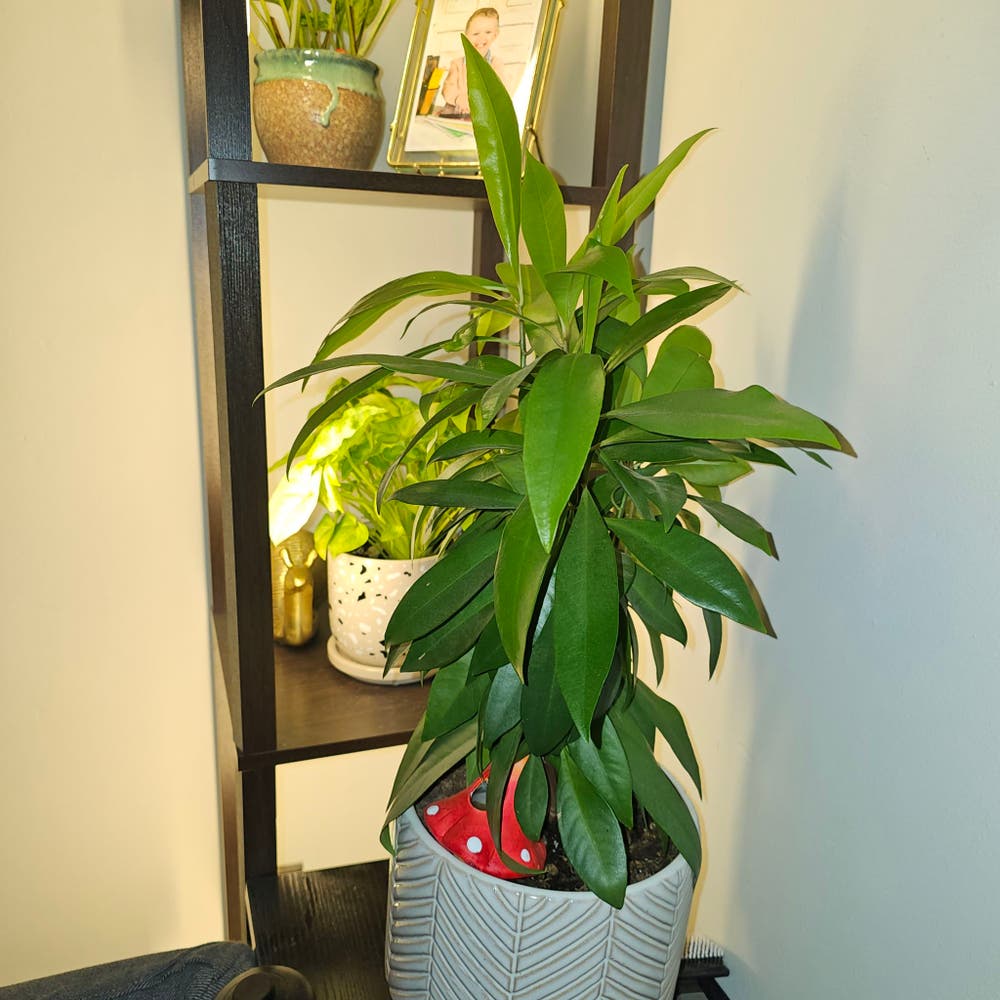
Why Are My Ardisia Plant Leaves Mushy?
Ardisia polysticta
By the Greg Editorial Team
Apr 26, 2024•5 min read
This article was created with the help of AI so we can cover more plants for you. May contain errors. See one? Report it here.
Save your Ardisia from mushy despair and restore its vibrant, healthy leaves! 🌿
- Overwatering and fungi lead to mushy Ardisia leaves.
- Root rot signals include mushy, dark roots.
- Prevent mushiness with proper watering, soil, and pot selection.
Spotting the Trouble: Signs Your Ardisia Leaves Are Too Mushy
🚨 Visual Cues: Discoloration and Texture Changes
Discoloration is a glaring sign of trouble. Leaves that swap their lush green for a yellow or brown hue are broadcasting distress. Texture changes are equally telling; leaves should not resemble overripe fruit.
🖐️ Tactile Signs: Softness and Lack of Firmness
A gentle squeeze should reveal resistance. If your Ardisia's leaves feel like a sponge, it's a red flag. Softness and a lack of firmness in the foliage are clear indicators that intervention is needed.
👃 Smell Test: Detecting Foul Odors Indicating Decay
Trust your nose. A foul odor is a distress signal you can't ignore. If your plant smells like it's on the wrong side of decay, it's time to act. Remember, a healthy plant shouldn't emit the scent of fermentation.
Root of the Problem: Identifying Causes of Mushiness
💦 Overwatering Woes
Overwatering is the arch-nemesis of the Ardisia plant, turning robust leaves into a mushy mess. It's a classic case of too much love; your well-intentioned watering can suffocate roots, leaving them gasping for air.
To spot waterlogged soil, check if it clings to your fingers like a needy pet. This is a clear sign that your plant's roots are drowning in excess moisture, leading to those telltale mushy leaves.
🍄 Fungal Foes
Fungi are the uninvited guests at the party, wreaking havoc on your plant's health. They're sneaky, spreading their destruction unseen until the damage is done.
Look for dark spots and odd patterns on leaves, which are the fungi's calling card. If your plant's leaves look like they're wearing a spotty disguise, it's time to address a potential fungal invasion.
🌱 The Dreaded Root Rot
Root rot is like the hidden mold in the walls of a house; it's a serious problem that's not always immediately apparent. Compromised roots spell disaster for the leaves they support.
When examining for root rot, gently investigate below the soil line. If the roots resemble overcooked spaghetti, it's a red flag. Healthy roots should be firm and light-colored, not dark and mushy.
Turning Over a New Leaf: Fixing Mushy Leaves
💧 Fine-Tuning Your Watering Routine
Ardisia Plants thrive with just the right amount of water – not too much, not too little. It's a delicate balance. To nail it, check the soil moisture before watering; the top inch should be dry. If it's damp, hold off on the H2O. Consider using a moisture meter for a no-guess game plan.
🌱 Techniques for Checking Soil Moisture
Get tactile with the touch test; your fingers are your best tools. If the soil feels wet, it's a no-go for watering. Or, opt for the tech route with a soil moisture meter. It's like having a thirst gauge for your plant – when it hits dry, it's time to hydrate.
🍄 Fighting Off Fungi
When fungi crash the party, it's time for a targeted fungicide. Apply it like you mean it, following the label to the letter. Prevention is key, so keep those leaves dry and promote good air circulation. It's about setting up a no-fun zone for fungal freeloaders.
🌿 Cultural Practices to Keep Fungi at Bay
Space out your plants for better airflow – think of it as social distancing for flora. Sterilize your tools like a plant surgeon to prevent spreading any spores. And remember, cleanliness is next to godliness in the plant world.
🌱 Salvaging from Root Rot
If root rot has taken hold, it's time for plant surgery. Prune away the mushy, rotted roots and repot in fresh, well-draining soil. It's like giving your plant a new lease on life.
🏺 The Importance of Proper Soil and Pot Selection
Choose a pot with drainage holes and go for soil that doesn't cling to moisture like a bad habit. It's about creating a cozy, breathable home for your plant's roots.
Remember, fixing mushy leaves is about getting back to basics: water wisely, fend off fungi, and give those roots room to breathe.
Keeping It Firm: Preventing Future Mushiness
In the quest to prevent mushy leaves, balance is your mantra. Here's how to keep your Ardisia plant's foliage firm and healthy.
🌊 Balancing Moisture and Drainage
Well-draining soil is a must-have; it's the unsung hero in the fight against mushiness. Choose a mix that's like a good house guest—retains enough moisture to stay pleasant but leaves before causing trouble. Terra cotta pots earn extra points for their breathability, helping soil dry out more efficiently than their plastic counterparts.
🌡️ Monitoring and Adjusting Environmental Factors
Keep a vigilant eye on humidity and temperature. Use a hygrometer and thermometer to avoid turning your plant's home into a climate carnival. Airflow is your ally; ensure your plant's environment is well-ventilated, like cracking a window on a stuffy bus ride.
👩⚕️ Regular Health Checks: What to Look For and When
Routine inspections are the equivalent of a plant's annual physical. Look under the soil for roots that should be white and firm, not mushy. Adjust your care based on what you find. Remember, seasonal changes mean your watering routine needs remixing—less in the cool, more when it's hot. Keep the foliage dry; it's a no-splash zone to avoid fungal parties.
⚠️ Safety First
This content is for general information and may contain errors, omissions, or outdated details. It is not medical, veterinary advice, or an endorsement of therapeutic claims.
Always consult a qualified healthcare professional before using any plant as food, medicine, or supplement.
Never eat any plant (or feed one to pets) without confirming its identity with at least two trusted sources.
If you suspect poisoning, call Poison Control (800) 222-1222, the Pet Poison Helpline (800) 213-6680, or your local emergency service immediately.
Spotted an error? Please report it here.
Avoid mushy leaves on your Ardisia by perfecting your plant's hydration 💧 with Greg's tailored watering reminders and health checks.