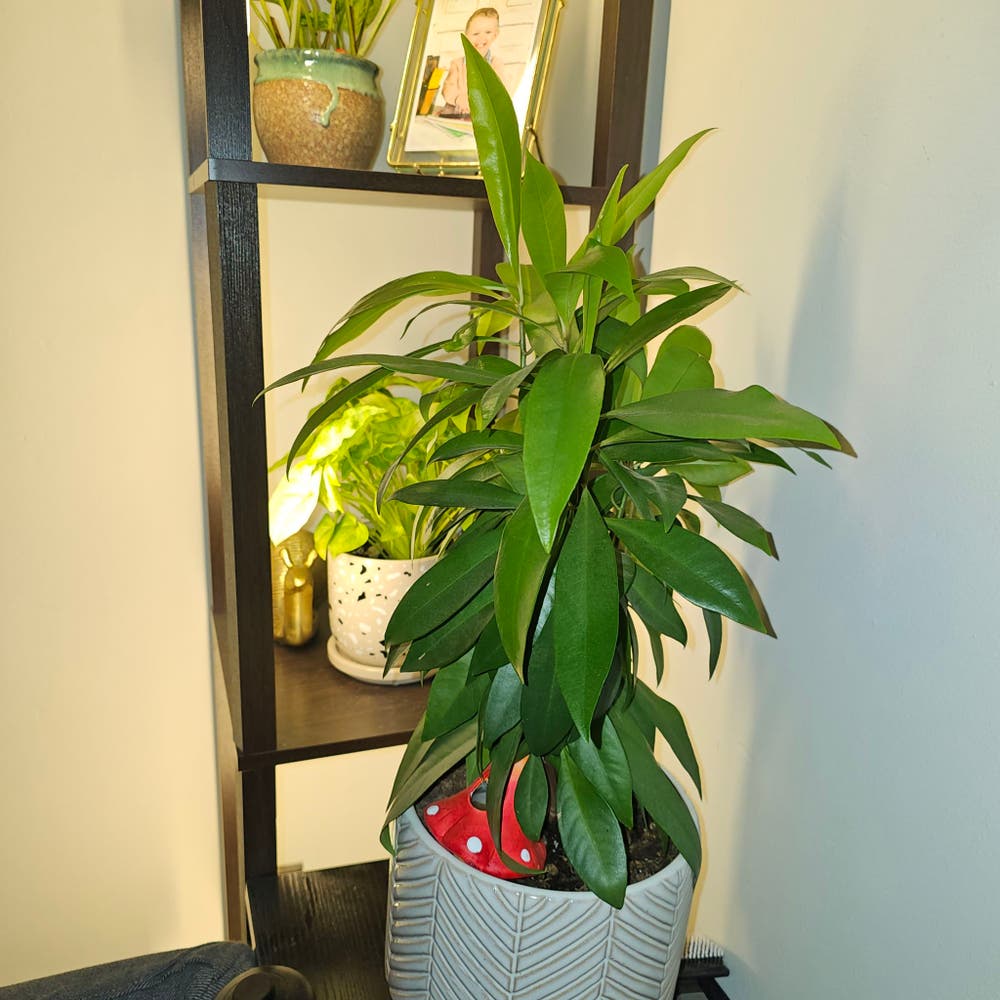
🌞 Does My Ardisia Plant Need Direct Sunlight?
Ardisia polysticta
By the Greg Editorial Team
Apr 26, 2024•3 min read
This article was created with the help of AI so we can cover more plants for you. May contain errors. See one? Report it here.
Master your Ardisia's growth by nailing its ideal light conditions—no direct sun needed! 🌿🔍
- 🌿 Ardisia plants thrive in bright, indirect light, not direct sun.
- 🏡 East-facing windows are ideal; use reflective surfaces if needed.
- 💡 Use grow lights on cloudy days to mimic natural sunlight.
Sunlight Simplified for Ardisia Plant Care
🌞 What is Direct Sunlight?
Direct sunlight is the unfiltered beam of the sun, hitting your plant with the intensity of a spotlight. It's the kind of light that can create sharp shadows on the ground at high noon, showcasing every detail with stark clarity.
🌅 Direct vs. Indirect Sunlight
Direct sunlight is the sun's full-strength performance, while indirect light is its softer encore. Your Ardisia Plant prefers the latter, thriving in bright but diffused light that doesn't overwhelm. It's like placing your plant in the audience rather than on stage under the harsh spotlight.
Ardisia Plant's Sunlight Preferences
🌤️ To Bask or Not to Bask?
The Ardisia Plant is not a sun worshipper. It thrives in bright, indirect light, steering clear of the harsh midday sun. Think of it as a shade-seeker in a sun-drenched world.
🌅 The Perfect Spot Indoors
East-facing windows are the Ardisia Plant's sweet spot, offering a morning glow without the afternoon glare. If your home lacks this ideal setting, get creative with reflective surfaces to mimic these conditions. Remember, too much sun leads to a stressed-out plant, so watch for signs like leaf discoloration or wilting. If you notice these, it's time to move your Ardisia to a less intense location.
The Window Compass for Ardisia Plant
🧭 North, South, East, or West?
Navigating the window compass is crucial for Ardisia Plant care. South-facing windows are the sun's favorite stage in the Northern Hemisphere, offering a full-on summer beach day vibe. But not all Ardisia Plants want to sunbathe.
🌍 Hemisphere Hints
Your global address changes the game. In the Southern Hemisphere, north-facing windows become the sun hubs. Remember, as the Earth tilts, your plant's needs shift. Use a compass app or Google Maps to determine your home's orientation and adjust your Ardisia's spot with the seasons.
Seasonal Sunlight Strategies for Ardisia Plant
🌞 Summer vs. Winter Sun
In the summer, your Ardisia Plant's need for sunlight is like a delicate dance—too much direct exposure, and it's a crispy leaf fiasco. Shade is your plant's best friend during these intense months. Position it to receive filtered light, perhaps behind a sheer curtain, to avoid the harsh midday sun.
Come winter, the sun plays hard to get. Your Ardisia will be soaking up every ray it can, so give it a front-row seat by a window. But not just any window—aim for one that captures the soft winter light without exposing your green buddy to the cold.
💡 When the Sun Doesn't Shine
On those days when the sun decides to pull a no-show, grow lights step up to the plate. They're not just a backup singer; they're the understudy ready to take on the lead role. Set them up to mimic the natural day, turning them on in the morning and off as evening rolls in. This keeps your Ardisia in a rhythm of growth, tricking it into thinking every day is a sunny day.
Remember, with grow lights, distance is a dance. Too close and you risk a case of light burn, too far and your plant is reaching for a light that's just not there. Find that sweet spot, and your Ardisia will keep on thriving, sun or no sun.
⚠️ Safety First
This content is for general information and may contain errors, omissions, or outdated details. It is not medical, veterinary advice, or an endorsement of therapeutic claims.
Always consult a qualified healthcare professional before using any plant as food, medicine, or supplement.
Never eat any plant (or feed one to pets) without confirming its identity with at least two trusted sources.
If you suspect poisoning, call Poison Control (800) 222-1222, the Pet Poison Helpline (800) 213-6680, or your local emergency service immediately.
Spotted an error? Please report it here.
Ensure your Ardisia thrives in just the right light by using Greg's PlantVision 🌿 to effortlessly monitor and adjust its environment.