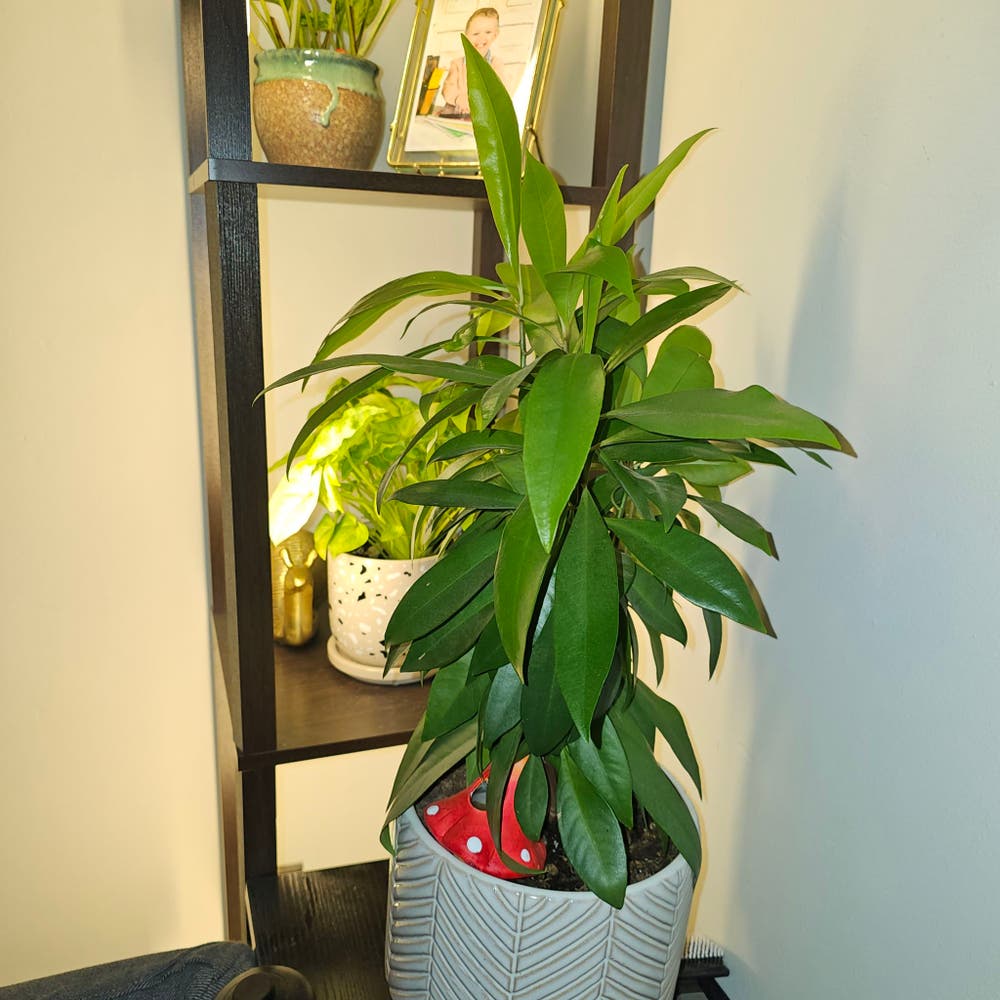
How Can You Tell If An Ardisia Plant Is Dying?
Ardisia polysticta
By the Greg Editorial Team
Apr 26, 2024•3 min read
This article was created with the help of AI so we can cover more plants for you. May contain errors. See one? Report it here.
Revive your wilting Ardisia 🌿 by spotting and fixing these critical distress signals before it's too late!
- Wilting and yellowing indicate watering issues; adjust your routine.
- Leaf drop and slow growth? Check light and temperature consistency.
- Discoloration and texture changes may signal disease; inspect and treat.
Spotting Trouble: Key Symptoms of Distress in Ardisia Plants
🥀 Wilting and Yellowing Leaves
Wilting and yellowing leaves are the Ardisia's SOS. Inconsistent watering habits often lead to these symptoms. Over-watering can drown the roots, while under-watering leaves the plant parched.
🍂 Leaf Drop and Stunted Growth
When leaves drop like flies and growth halts, it's alarm bells. Look out for inconsistent lighting and temperature fluctuations. Pests could also be freeloaders, sapping the plant's vitality.
🎨 Discoloration and Texture Changes
Leaves that fade, crisp up, or spot are sending a distress signal. Leaf scorch from too much sun, or the unwelcome embrace of mold or fungus, could be the culprits. Root rot might also be lurking below the surface, a silent killer.
Troubleshooting Common Care Mistakes
💧 Water Woes: Over and Under-Watering
Balance is key when it comes to watering your Ardisia plant. Too much and you're throwing a pool party for root rot; too little and your plant's as parched as a desert. To avoid these extremes, feel the soil—a moist touch is what you're aiming for.
Revival Tactics
If you've overdone it with the H2O, drainage is your friend. Let the soil dry out a bit before your next watering. Under-watered? Gradually increase watering frequency, but don't flood your plant in a guilt-induced deluge.
🌞 Light and Temperature: Finding the Sweet Spot
The Goldilocks principle reigns supreme—too much light scorches, too little stunts. Your Ardisia craves that bright, indirect sunlight spot. Keep it away from drafty windows and maintain a consistent indoor temperature—think warm hug, not a cold shoulder.
Quick Fixes
If your plant's been sunbathing too much, introduce some shade. Rotate the pot regularly for even light exposure. For temperature tantrums, move away from AC vents in summer and heaters in winter.
🐜 Attack of the Pests and Diseases
Pests and diseases are like uninvited guests at a party—they show up unannounced and wreak havoc. Inspect leaves for freeloaders and signs of disease.
Battle Plan
Caught an infestation? Isolate the patient zero. Use insecticidal soap or neem oil for pests. For fungal foes, prune affected areas and apply a fungicide. Prevention is your best defense—keep a regular check-up schedule, and don't let issues fester.
Reviving Your Ardisia: A Step-by-Step Guide
Assessing the Damage
Before diving into CPR for your Ardisia, 🔍 assess its vitals. Check for signs of life like new growth or green under the bark. No signs? It might be time to start a plant obituary.
The Recovery Process
💧 Watering Wisdom
If your Ardisia's been drowning or gasping for water, here's the drill: Water only when the topsoil feels dry. Stick your finger in; if it's moist, hold off on the H2O.
🌞 Light and Location
Next up, ensure your plant's not sunbathing or lurking in the shadows. Bright, indirect light is your sweet spot. Too much sun and it'll fry; too little and it'll sulk.
🌱 TLC for Roots
Roots gone mushy? It's repotting time. Choose a well-draining pot and fresh soil. Be gentle; those roots have been through enough drama.
🌿 Fertilizer Finesse
Ease up on the plant chow. A half-strength balanced fertilizer monthly during growing season will do. Overfeeding is just as tacky as underfeeding.
Monitoring and Adjusting Care
Keep a hawk-eye on your green buddy. New growth? You're on the mend. If it's still looking peaky, tweak your care strategy. Patience is key—you're in it for the long haul.
⚠️ Safety First
This content is for general information and may contain errors, omissions, or outdated details. It is not medical, veterinary advice, or an endorsement of therapeutic claims.
Always consult a qualified healthcare professional before using any plant as food, medicine, or supplement.
Never eat any plant (or feed one to pets) without confirming its identity with at least two trusted sources.
If you suspect poisoning, call Poison Control (800) 222-1222, the Pet Poison Helpline (800) 213-6680, or your local emergency service immediately.
Spotted an error? Please report it here.
Ensure your Ardisia bounces back by leveraging Greg's custom watering plans 💧 and light metering to prevent yellowing leaves and root rot, keeping your green friend thriving.