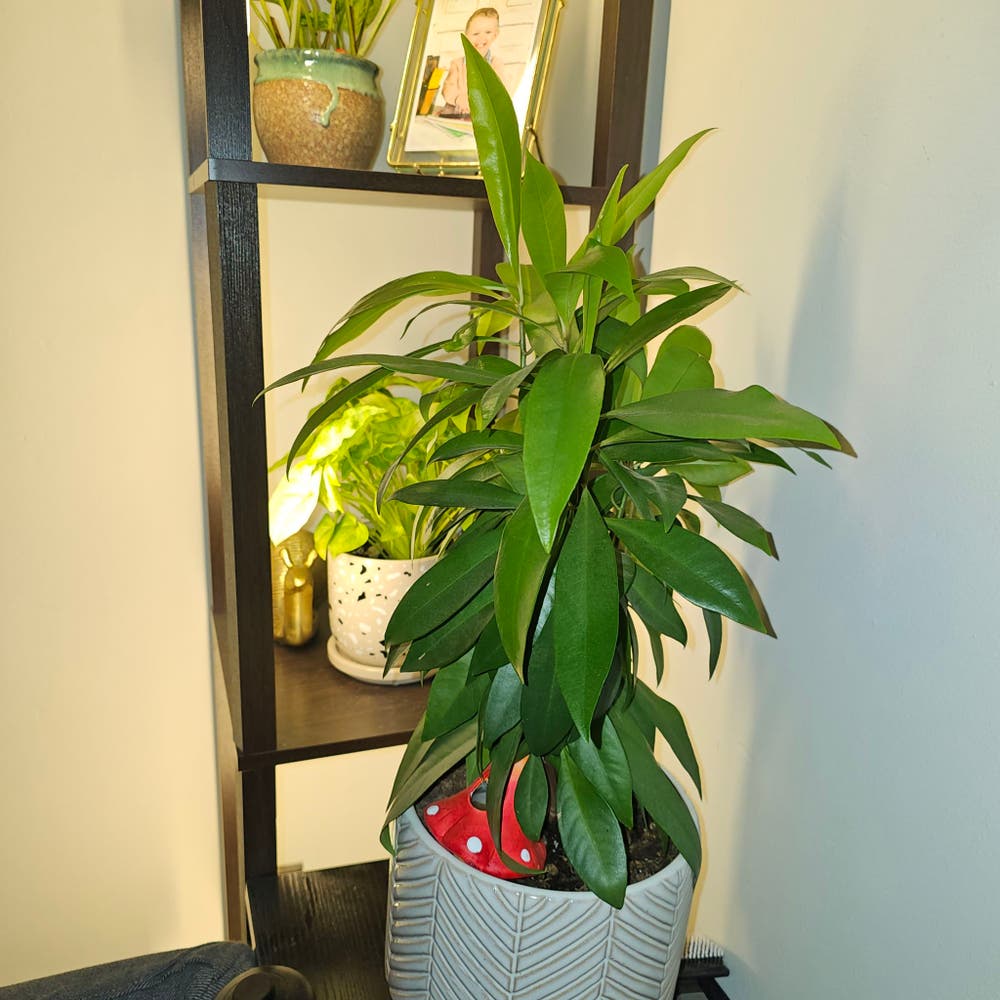
Why Are My Ardisia Plant Leaves Droopy? 🥀
Ardisia polysticta
By the Greg Editorial Team
Apr 26, 2024•5 min read
This article was created with the help of AI so we can cover more plants for you. May contain errors. See one? Report it here.
Rescue your Ardisia from droopiness and ensure leafy bliss with key care insights! 🌿🔍
- Droopy leaves signal distress, not just natural variation.
- Balance water and light; too much or too little harms leaves.
- Monitor for pests, diseases, and nutrient needs to maintain leaf health.
Spotting the Signs of Distress in Ardisia Leaves
Droopy leaves can be a red flag for your Ardisia plant. It's essential to distinguish between a natural droop and one signaling distress. A healthy Ardisia may have a relaxed posture, but a consistent droop across multiple leaves suggests an underlying issue.
🍃 Identifying Droopy Leaves vs. Natural Leaf Variations
Natural variations in leaf position are normal, but when your Ardisia's leaves hang like limp noodles, it's time to take note. Leaves that resist a gentle lift are still in the fight; those that don't are signaling defeat.
📋 Quick Checklist for Assessing Leaf Health
- Check soil moisture: Is it too dry or too wet? The soil should be moist, not soggy or bone-dry.
- Evaluate light exposure: Are the leaves getting enough light, or are they sun-starved?
- Inspect for yellowing or discoloration: These could indicate overwatering or nutrient deficiencies.
- Feel the leaves: If they're softer than usual, it's a cry for help.
- Look for pests or disease: Unwanted guests could be causing your plant stress.
Remember, your Ardisia isn't just a pretty face; it's a living barometer of its own health. Regular monitoring is the key to catching those early cries for help.
Thirsty or Drowning? Watering Woes Unraveled
Navigating the watering needs of your Ardisia plant can be like walking a tightrope—too much or too little, and you'll find yourself with droopy leaves.
💧 Signs of Thirst Stress in Ardisia Leaves
When underwatered, Ardisia leaves can look as sad as a deflated party balloon. Dry soil and wilting are your plant's way of waving a white flag. If the pot feels as light as your last grocery bag of chips, it's time to water.
🌊 Telltale Symptoms of Waterlogged Roots
Conversely, overwatering turns your plant's home into a swamp. Leaves that drop faster than your dropped calls are a sign. If the pot feels heavier than your post-holiday suitcase, ease up on the H2O.
🌱 How to Test Soil Moisture Before Watering
Before you water, think of the top inch of soil as your plant's mood ring. If it's dry, your plant is thirsty; if it's damp, hold off on the watering can.
💦 Best Practices for Watering Frequency and Amount
Deep watering is key—make sure the water reaches the roots, not just the surface. But let the soil dry a bit between waterings, like a good suspense between TV show episodes. And always remember, your Ardisia's roots prefer a sip, not a swim.
When Light and Temperature Throw Shade on Leaf Health
🌞 The Goldilocks Zone: Finding the Right Light Balance
Ardisia plants are picky about their light exposure. Too much sun and their leaves crisp up; too little and they stretch out, thin and weak. Indirect sunlight is their jam. Place them near a window that gets plenty of light, but shield them from the harsh midday rays with a sheer curtain.
🌱 Recognizing Light-Related Droopiness in Leaves
If your Ardisia's leaves are drooping, they might be telling you they're not getting the right light. Leaves that lean towards the light are begging for more, while scorched tips or faded color indicate too much. It's a clear sign to adjust their position.
🔄 Adjusting Your Plant's Position for Optimal Light
Rotate your Ardisia regularly to ensure even light distribution. As seasons shift, so should your plant's spot. Keep it in a place that gets consistent, bright, but indirect light—like a north or east-facing window.
❄️ Keeping it Cool: Temperature Tips for Perky Leaves
Ardisia plants don't appreciate the "thrill" of temperature swings. They prefer a steady, comfortable range between 65-75°F (18-24°C). Anything outside this range and you'll see their discomfort in droopy or discolored leaves.
🌡 Identifying Temperature Stress Signs
Watch for leaves that turn brown or yellow at the tips—this could be your plant crying out for cooler conditions. Dropping leaves? It's like your Ardisia is trying to strip down to cool off.
🌡 Ideal Temperature Ranges for Ardisia Plants
During the day, aim for a cozy 70-80°F (21-27°C). At night, they can handle a slight chill, down to 60-68°F (15-20°C). Keep your plant away from drafts and sources of heat like radiators or air conditioners. Consistency is key—think of it as setting the perfect climate for your green companion.
Feeding Finesse: Nutrients and Their Role in Leaf Perkiness
💡 Spotting the Signs of Nutrient-Starved Leaves
Yellowing leaves are the plant's SOS for nitrogen. If your Ardisia is all leaves and no flowers, it's likely crying out for a better balance of phosphorus and potassium. Dark, reddish spots on older foliage? That's your cue for a phosphorus boost. And let's not forget about magnesium or manganese; interveinal chlorosis, where leaves turn yellow but the veins stay green, is a dead giveaway.
💪 Crafting the Perfect Diet for Your Ardisia
Fertilizer isn't fast food; it's a balanced diet for your plant. Start with a half-strength liquid fertilizer and consider it a weekly treat. Overfeeding can lead to nutrient burn, so stick to the script—manufacturer's instructions are there for a reason. Observe your Ardisia's response post-feeding; brighter green leaves and new growth are high-fives from your plant. Remember, it's a dialogue, not a monologue—adjust the feeding based on your plant's feedback.
Turning Over a New Leaf: Revival and Prevention Strategies
🌱 Immediate Steps to Take
Snip off any visibly damaged leaves with sterilized shears. This redirects the plant's energy to healthier growth. Before watering, check the soil; if it's dry, water with room-temperature water. But remember, overhydration is your Ardisia's nemesis.
🌿 Building Resilience: Long-term Strategies for Leaf Health
🔄 Consistency is Key
Establish a routine. Regular inspections, correct watering, and environmental control are your trifecta for perky leaves. Adapt your care based on your Ardisia's feedback—it's like a dialogue with your plant.
📈 Monitoring and Adjusting
Stay vigilant. New growth is a thumbs-up from your Ardisia. If the leaves remain droopy, it's time to reassess. Think of it as a plant check-up—preventative care beats a full-blown plant crisis any day.
⚠️ Safety First
This content is for general information and may contain errors, omissions, or outdated details. It is not medical, veterinary advice, or an endorsement of therapeutic claims.
Always consult a qualified healthcare professional before using any plant as food, medicine, or supplement.
Never eat any plant (or feed one to pets) without confirming its identity with at least two trusted sources.
If you suspect poisoning, call Poison Control (800) 222-1222, the Pet Poison Helpline (800) 213-6680, or your local emergency service immediately.
Spotted an error? Please report it here.
Ensure your Ardisia thrives with perky leaves by monitoring soil moisture 🌱 using Greg's reminders for watering and care, tailored to your plant's environment.