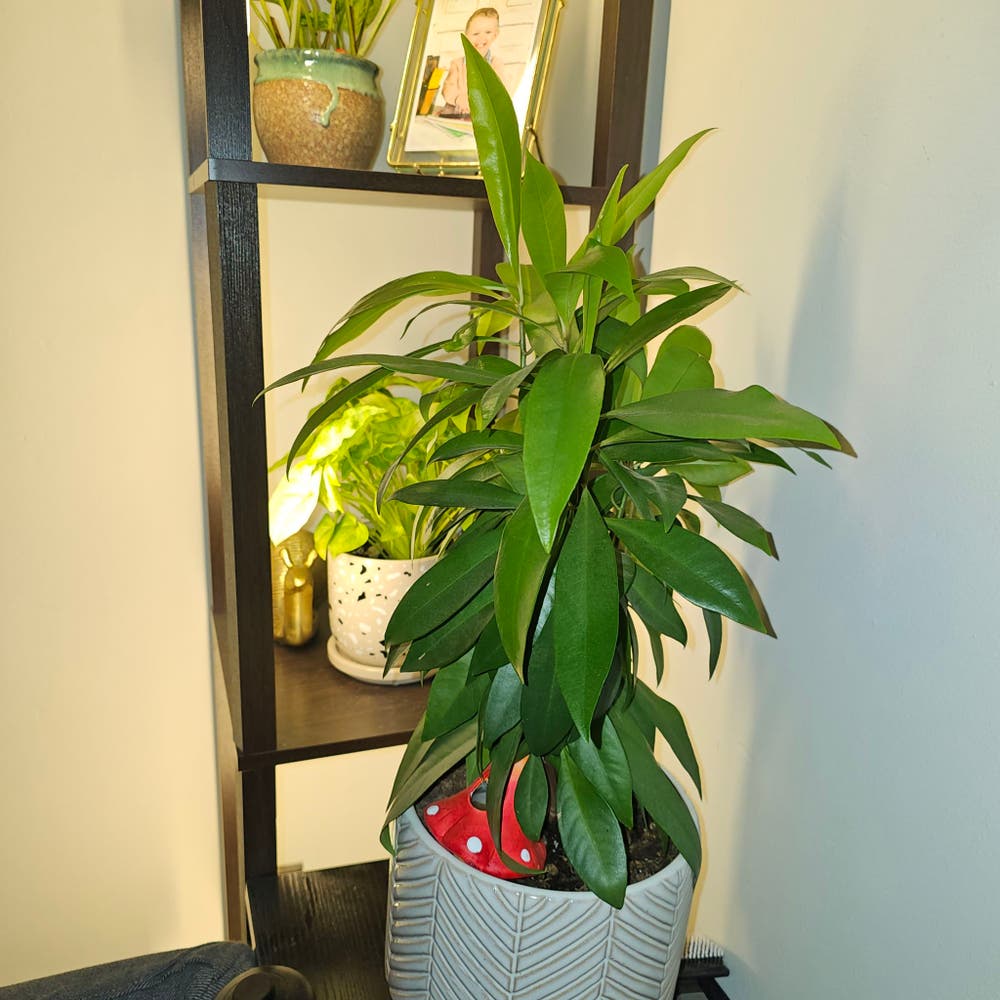
How Do I Fix Ardisia Plant Root Rot?
Ardisia polysticta
By the Greg Editorial Team
Apr 26, 2024•4 min read
This article was created with the help of AI so we can cover more plants for you. May contain errors. See one? Report it here.
Rescue your Ardisia from root rot's clutches 🌿 and restore its vibrant health with our expert guide!
- 🍂 Yellow leaves and wilting indicate root rot in Ardisia plants.
- 🌱 Prune rotten roots, use fungicide, and replace soil to revive plant.
- 💧 Monitor watering and soil health to prevent future root rot.
Spotting the Trouble: Recognizing Root Rot in Ardisia
👀 Visual Red Flags
Yellowing leaves and a general wilting posture are the Ardisia's way of saying "I'm not okay." These symptoms are the visual distress signals that should prompt a closer inspection. When the once vibrant foliage starts to look more like an old, faded photograph, it's a clear sign that something's amiss underground.
👃 Beyond Sight: Other Senses in Diagnosis
But don't just trust your eyes—trust your nose and fingers too. A healthy root system smells like fresh earth, not like something you'd find in a damp basement. If the roots feel as if they've been soaking in sadness, soft and squishy to the touch, you're likely dealing with root rot. These sensory clues are just as telling as the visual ones and should not be ignored.
First Response: Immediate Actions to Combat Root Rot
🚱 Halting Watering
Stop watering immediately. Your Ardisia's roots are gasping for air, not a swim. Let the soil dry out, checking the top inch for dryness before even thinking about watering again. Overwatering is the villain here, and you're cutting off its lifeline.
🌿 Pruning for Plant Health
Time to play plant surgeon. Sterilize your shears—we're not spreading the rot, we're ending it. Snip away the soft, brown roots; they're the bad actors in this drama. Keep the firm, white ones—they're the heroes. Balance the root pruning with a foliage trim to keep your plant from going into shock. After the operation, disinfect the remaining roots with a copper-based fungicide, because we're not taking any chances.
Soil SOS: Reviving Your Ardisia's Foundation
🌱 Swapping the Old for the New
Reviving your Ardisia starts with evicting the old, compromised soil. Here's how to do it without adding stress to your already suffering plant:
- Gently remove your Ardisia from its pot, being careful not to damage any healthy roots.
- Shake off the old soil and prune away the rotten roots with sterilized scissors or shears.
- Clean the pot with a bleach solution (1 part bleach to 9 parts water) to kill any lingering pathogens.
- Place a layer of fresh, sterile potting mix at the bottom of the pot.
- Reposition your plant in the center and fill around it with more soil mix, firming lightly.
🌿 Choosing the Right Soil Mix
Selecting the right soil mix is like choosing a good pair of shoes; it needs to provide support and allow for breathing. Here's what to look for:
- Drainage is paramount. Aim for a mix that lets water through but retains enough moisture to keep the roots happy.
- Incorporate ingredients like perlite, coarse sand, or pine bark to improve aeration and prevent compaction.
- Consider eco-friendly alternatives to peat moss, such as coir, which offers similar water retention without the environmental baggage.
- Ensure the soil mix is sterile to avoid introducing new pathogens to your plant.
By following these steps, you're not just giving your Ardisia a new home—you're setting the stage for a comeback story worth telling.
Fungus Among Us: Dealing with the Invisible Enemy
🍄 Identifying the Culprit
Root rot in Ardisia plants is often a covert operation by fungi like Rhizoctonia, Fusarium, and Phoma. Spotted leaves or a musty smell? That's the red flag. Fungi thrive in wet, poorly-drained soil, turning healthy white roots into brown mush.
🌿 Fungicide to the Rescue
When root rot strikes, it's fungicide time. Neem oil and biological options offer a greener punch. For hardcore cases, systemic fungicides like Propiconazole are your allies. Always follow the label—this isn't the time for improvisation. Rotate your fungicides to keep those fungi on their toes and prevent resistance. Remember, it's about smart, targeted strikes, not blanket bombing your plant's ecosystem.
Aftercare: Ensuring a Healthy Comeback
🚰 Monitoring and Adjusting Watering Habits
Watering your Ardisia post-root rot is like walking a tightrope—balance is key. Check the soil before each watering; it should feel like a wrung-out sponge, not a soaked one. Adjust your routine with the seasons—ease up during the chill of winter and be a bit more generous in the summer heat.
👀 Keeping an Eye on Soil and Plant Health
Regular inspections of your Ardisia's soil and roots are non-negotiable. If the soil sticks to your fingers like gum on a hot sidewalk, it's too wet. And keep an eye out for new growth—it's the plant's way of giving you a high five. But don't get complacent; consistent care is what will turn this recovery into a success story.
⚠️ Safety First
This content is for general information and may contain errors, omissions, or outdated details. It is not medical, veterinary advice, or an endorsement of therapeutic claims.
Always consult a qualified healthcare professional before using any plant as food, medicine, or supplement.
Never eat any plant (or feed one to pets) without confirming its identity with at least two trusted sources.
If you suspect poisoning, call Poison Control (800) 222-1222, the Pet Poison Helpline (800) 213-6680, or your local emergency service immediately.
Spotted an error? Please report it here.
Ensure your Ardisia thrives after root rot by pruning the damage and rebalancing 🔄 its care with Greg's personalized watering reminders and soil moisture tips.