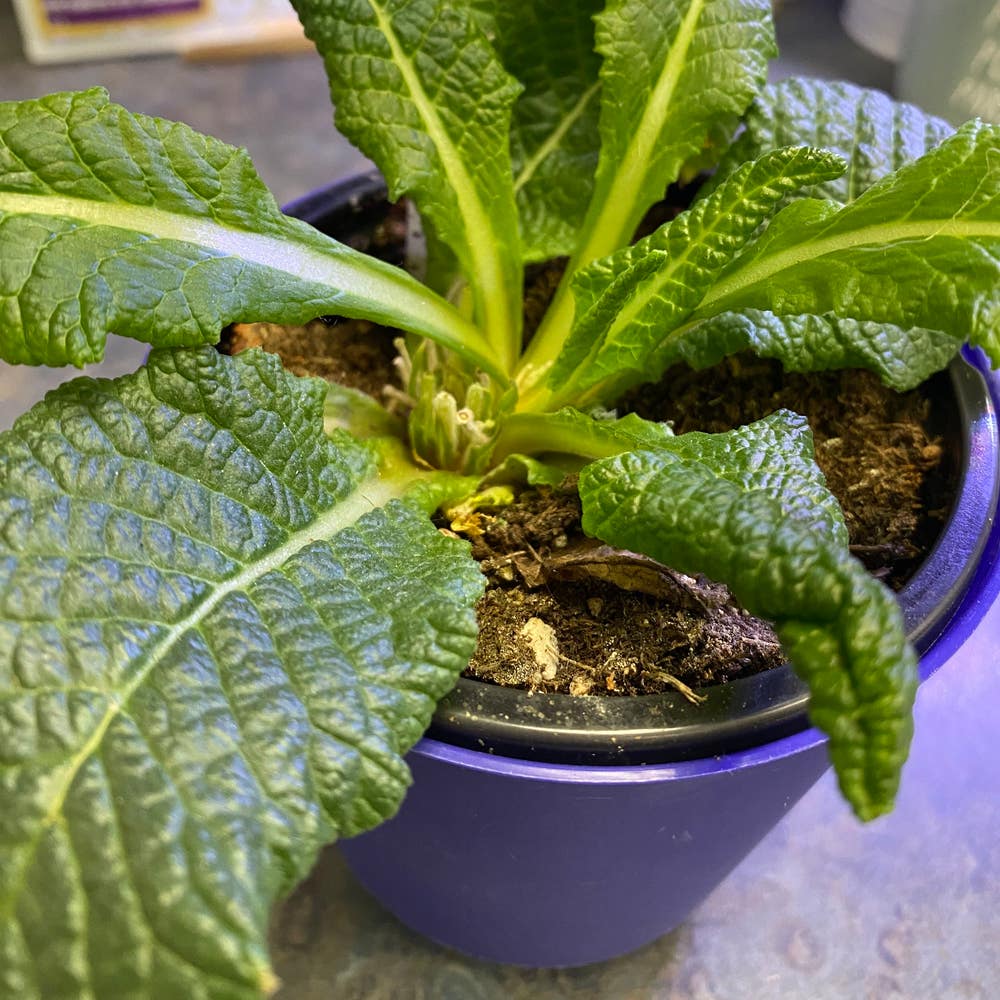
🌼 How to Plant Your Common Primrose
Primula vulgaris
By the Greg Editorial Team
Sep 30, 2024•6 min read
This article was created with the help of AI so we can cover more plants for you. May contain errors. See one? Report it here.
- 🌱 Proper planting techniques ensure vibrant blooms and healthy growth for primrose.
- 🌞 Best planting times are early spring or fall for optimal results.
- 💧 Consistent moisture and well-draining soil are key to preventing root issues.
Importance of Proper Planting Techniques
Planting your common primrose correctly is crucial for its growth and flowering. The right techniques can significantly enhance the plant's health and vibrancy.
🌱 Impact on Growth and Flowering
When you plant primrose with care, you set the stage for robust growth. Healthy plants not only bloom beautifully but also thrive longer, bringing joy to your garden.
🌿 Role in Establishing a Healthy Root System
A strong root system is the backbone of any plant. Proper planting techniques ensure that roots can spread and absorb nutrients effectively, leading to a flourishing primrose.
By focusing on these foundational aspects, you're not just planting a flower; you're nurturing a vibrant part of your garden. Next, let’s explore the optimal timing for planting your common primrose.
Planting New Common Primrose
🌱 Optimal Timing for Planting
Timing is crucial when planting your common primrose. The best seasons for planting are early spring or fall, as these periods align with the plant's growth cycle and local climate conditions.
🪴 Selecting the Right Soil Mix and Containers
Choosing the right soil mix is essential for healthy primrose growth. Aim for well-draining, moist soil with a slightly acidic to neutral pH.
- Soil Amendments: Incorporate peat moss and compost to enhance soil quality.
- Container Options: Select containers that are appropriately sized with adequate drainage to prevent waterlogging.
📏 Proper Depth and Spacing for Planting
Planting depth and spacing significantly impact primrose health. Aim to plant your primrose 1-2 inches deep.
- Spacing Guidelines: Maintain a distance of 12-18 inches between plants to ensure optimal air circulation.
- Importance of Spacing: Proper spacing promotes healthy growth and abundant flowering.
🌞 Maintaining Ideal Growing Conditions
Creating the right environment is key to thriving primroses. They thrive in partial shade to full sun, requiring about 4-6 hours of sunlight daily.
- Watering Needs: Keep the soil consistently moist but avoid waterlogging.
- Fertilization Tips: Light feeding during the growing season will support robust growth.
🌿 Hardening Off Process Before Outdoor Planting
Hardening off is a vital step before planting outdoors. This process helps acclimate your primrose to outdoor conditions.
- Gradually expose the plants to outdoor conditions over 7-10 days.
- Start with a few hours of sunlight each day, increasing the exposure gradually.
- Monitor for signs of stress, such as wilting, to ensure a smooth transition.
With these planting techniques, your common primrose will be well on its way to thriving in your garden. Next, we’ll explore how to transplant established primrose plants for optimal growth.
Transplanting Established Common Primrose
🌱 Optimal Timing for Transplanting
Transplanting your common primrose is best done in early spring or fall. Look for signs like overcrowding or stunted growth to determine when it's time to move your plants.
🛠️ Step-by-Step Instructions for Transplanting
Removing the Plant from Its Current Location
- Water the plant a day before to reduce stress.
- Carefully dig around the root zone, keeping roots intact.
- Lift the plant gently from the ground.
Preparing the New Planting Site
- Choose a location with suitable sunlight and soil conditions.
- Amend soil as necessary to ensure proper drainage.
- Dig a hole twice the width of the root ball.
Ensuring Proper Placement and Spacing
Position the plant at the same depth as it was previously growing. Maintain a spacing of 12-18 inches apart to allow for healthy growth.
💧 Tips for Watering, Mulching, and Support
Immediately after transplanting, soak the area thoroughly with water. Apply a 2-3 inch layer of organic mulch to retain moisture and consider using stakes for taller varieties to provide extra support.
Transplanting can be a rewarding process, ensuring your primrose thrives in its new home. Next, let’s explore the benefits and drawbacks of planting new versus established primrose.
Benefits and Drawbacks
💰 Cost Comparison: New vs. Established Plants
When considering the cost of planting Common Primrose, you have two main options: seeds or established plants. Seeds are typically cheaper upfront, but they require time and care to grow into mature plants.
On the other hand, established plants come with a higher initial investment but offer immediate gratification. You'll save on time and effort, as they are ready to bloom right away.
⏳ Time to Maturity for New vs. Established Plants
Newly planted Primrose can take several months to reach maturity, depending on the growing conditions. Patience is key, as you nurture them through their growth cycle.
In contrast, established plants can flower almost immediately after planting. This instant beauty can be a significant advantage if you're looking to enhance your garden quickly.
🌱 Adaptability to Local Growing Conditions
Established plants have the upper hand when it comes to acclimatization. They are already adapted to your local climate, making them more resilient to environmental changes.
New plants, however, may face challenges as they adjust. They require careful monitoring and support to thrive in their new surroundings, especially during the initial stages.
Understanding these benefits and drawbacks will help you make an informed decision about which option suits your gardening goals best. Next, let’s dive into troubleshooting common issues that may arise during the planting process.
Troubleshooting Common Issues
🪴 Understanding Transplant Shock
Transplant shock can be a real hurdle for your Primrose. Symptoms include wilting, yellowing leaves, and stunted growth, signaling that your plant is struggling to adjust.
To prevent this, ensure proper watering and care during the transition. Water the plant well before moving it and maintain consistent moisture afterward.
🔧 Establishment Problems and Solutions
Sometimes, newly planted Primrose may face establishment issues. Common problems include poor root establishment and nutrient deficiencies, which can hinder growth.
Regular monitoring is key. Adjust your care routine as needed, providing nutrients and ensuring the roots have enough space to spread.
🐛 Common Pests and Diseases Affecting Primrose
Primrose can attract a few pesky visitors. Common pests include aphids and slugs, which can damage your plants if left unchecked.
To prevent diseases like fungal infections and root rot, maintain good air circulation and avoid overwatering. For pest control, consider organic methods like neem oil or simply hand-picking them off your plants.
By staying vigilant and proactive, you can keep your Primrose thriving and vibrant. Next, let’s explore the benefits and drawbacks of planting new versus established Primrose.
⚠️ Safety First
This content is for general information and may contain errors, omissions, or outdated details. It is not medical, veterinary advice, or an endorsement of therapeutic claims.
Always consult a qualified healthcare professional before using any plant as food, medicine, or supplement.
Never eat any plant (or feed one to pets) without confirming its identity with at least two trusted sources.
If you suspect poisoning, call Poison Control (800) 222-1222, the Pet Poison Helpline (800) 213-6680, or your local emergency service immediately.
Spotted an error? Please report it here.
Plant your common primrose like a pro 🌱 with Greg's tailored care tips and reminders, ensuring vibrant blooms and a robust root system for your thriving garden!