Ophiopogon planiscapus

5.0 out of 5 (1 experiences)
 Easy to propagate
About Ophiopogon planiscapus
Mondo Grass is an ornamental grass in the asparagus family. It is an evergreen groundcover that grows up to 8-12 inches tall and is tufted. It blooms in the summer and has large racemes that are crowded with flowers held well above the foliage. It spreads slowly and has daughter plants that revert to green.
Taxonomy

Ophiopogon planiscapus
Ophiopogon
Asparagaceae
Asparagales

How to care for Ophiopogon planiscapus
How often to water your Ophiopogon planiscapus

every 9
Ophiopogon planiscapus needs 0.5 cups of water every 9 when it doesn’t get direct sunlight and is potted in a 5" pot.
Use our water calculator to personalize watering recommendations to your environment or download Greg for more advanced recommendations for all of your plants.

Water 0.5 cups every
9
Finding light for None in your home

a window
Ophiopogon planiscapus love being close to bright, sunny windows 😎.
Place it less than 1ft from a south-facing window to maximize the potential for growth.
Ophiopogon planiscapus does not tolerate low-light 🚫.
Select your region to see how the current weather in your area affects the placement of Ophiopogon planiscapus in your home 🏡.
How to fertilize Ophiopogon planiscapus

Most potting soils come with ample nutrients which plants use to produce new growth.
By the time your plant has depleted the nutrients in its soil it’s likely grown enough to need a larger pot anyway.
To replenish this plant's nutrients, repot your Ophiopogon planiscapus after it doubles in size or once a year—whichever comes first.
-
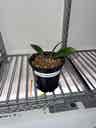
Will it live? Hi everyone, I recently inherited a load of plants (lucky me) but loads of them are in terrible condition. This one Greg seems to think is a quill plant. I thought it was meant to be black and crispy, and more of a dry moss ball type thing. But now there’s some green coming through. I’ve repotted and it has some sun. Any advice? Or thoughts on what it might be? Thanks ☺️ #PinkQuillPlant
-
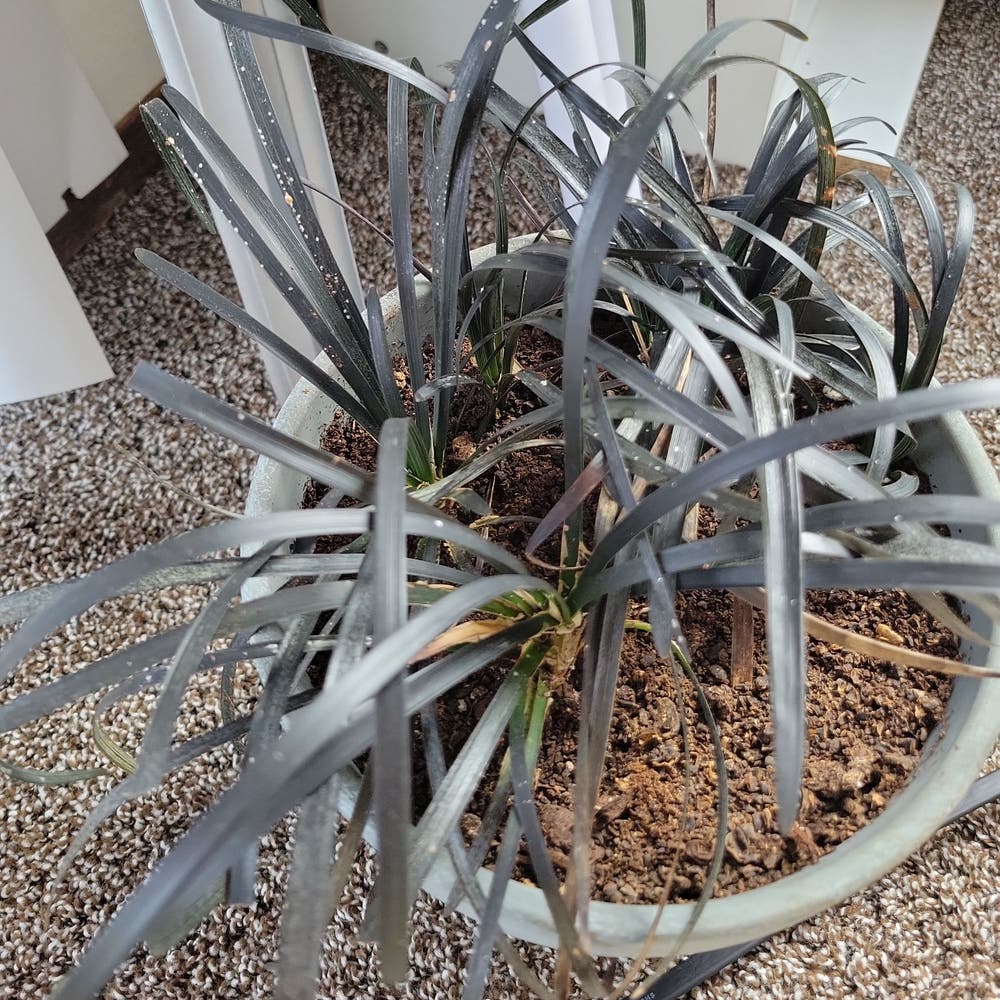
What’s wrong with our grass? Over or under watering? Not sure! #MondoGrass
-
White spots on black mondo grass
-
Identified Incorrectly Anybody know what this plant is? I don't think it is identified correctly
Care Summary for Ophiopogon planiscapus

Ophiopogon planiscapus
 Greg recommends:
 Water
Water
0.5 cups every 9 days
 Placement
< 1ft from a window
 Nutrients
Repot after 2x growth
Based on the 4” pot your plant is in, and that it doesn’t get direct sunlight.
What other plant parents say
Easy to propagate 1


 05/16/2021
I love that it grows so easily. As soon as your plant friend is comfy, it will multiply faster than bunnies!
Easy to propagate

 Trending in your area

Golden Barrel Cactus

Heartleaf Philodendron

Monstera

Philodendron Birkin

Tradescantia Nanouk

White Bird of Paradise

Elephant Bush

Painter's Palette

Arrowhead Plant

Window Leaf

Ficus Ginseng

Dwarf Umbrella Tree

Peace Lily

Emerald Ripple Pepero…

Lady Finger Cactus

Cornstalk Dracaena

Split Leaf Philodendr…

Tomato Plant
 Similar to Ophiopogon planiscapus
✨ Discover rare plants

Rainbow Echeveria

Parrot Pitcher Plant

Chinese Evergreen 'Go…

Haworthia emelyae com…

Blue Moon Wisteria

Pseudorphipsalis 'Blu…

Orange Lipstick Plant

Betel

Scindapsus pictus 'Si…

Skeleton Key Pothos

Pine Cone Plant

Ceropegia simoneae

Raphionacme flanaganii

Begonia hydrocotylifo…

Scindapsus pictus 'Si…

Phalaenopsis schiller…

Cereus peruvianus 'Pa…