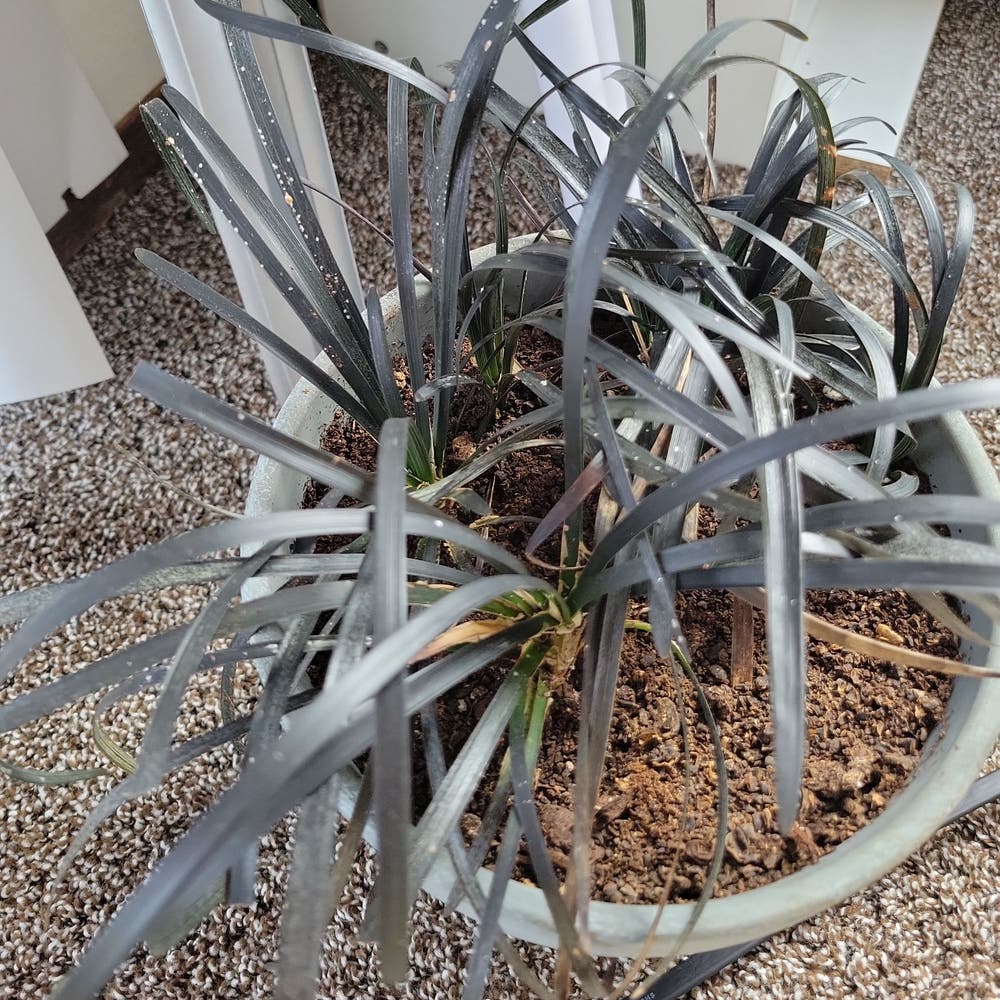
Why Are There Black Spots on My Black Mondo Grass Leaves?
Ophiopogon planiscapus
By the Greg Editorial Team
Mar 19, 2024•4 min read
This article was created with the help of AI so we can cover more plants for you. May contain errors. See one? Report it here.
- Black spots signal health issues in Black Mondo Grass, often fungal or bacterial.
- Prevent with dry leaves, good airflow, and proper plant spacing.
- Treat with targeted fungicides or bactericides for best results.
Spotting the Trouble: Signs of Black Spots
🕵️ Visual Clues
Black spots on Black Mondo Grass are like red flags; they're not just unsightly, they're a distress signal. These spots may start as tiny specks and can grow into larger, more ominous patches. They often have dark margins or concentric rings, which are classic signs of trouble. It's essential to inspect both sides of the leaves, as these spots can be quite the hiders.
📈 Progression Patterns
The spread of black spots is a tell-tale sign of the plant's health declining. Initially appearing on new growth, they can migrate to older leaves, indicating a progressive issue. A rapid increase in size or quantity is a serious cry for help. Yellowing leaves often accompany the spread, hinting at a deeper problem. Regular monitoring is key; catching these early can be the difference between a thriving plant and a botanical casualty.
The Usual Suspects: Common Causes of Black Spots
🍄 Fungal Foes
Leaf spot and anthracnose are the prime suspects in the case of black spots on Black Mondo Grass. These fungal culprits are like uninvited guests who overstay their welcome, especially in conditions of high humidity and poor air circulation. Leaf spot begins as small lesions, expanding into larger blotches that mar the beauty of your grass. Anthracnose, on the other hand, is a bit more insidious, often starting as small, discolored areas before becoming the full-blown black lesions you're noticing.
🦠 Bacterial Bandits
Bacterial leaf blight is another potential cause of the black spots. This bacteria sneaks in through wounds in the plant's leaves, turning them into canvases for its unsightly work. If the spots on your Black Mondo Grass have a greasy look or a slimy texture, bacteria are likely the culprits. These spots may also be surrounded by a yellow halo, a clear sign that bacteria are at play. Poor air circulation and excess moisture roll out the red carpet for these bacterial invaders, so keeping your plant's environment in check is crucial.
Defending Your Grass: Prevention Tactics
🚰 Water Wisely
Consistency is your ally in the fight against black spots. Water your Black Mondo Grass when the topsoil feels dry but before the plant starts to sing the blues. Use a moisture meter if you're not confident in your touch-test skills; it's like a cheat code for perfect watering. Aim for the soil, not the leaves, to keep them as dry as possible. Morning watering gives the grass time to dry out, reducing the risk of fungal parties.
💨 Airflow and Spacing
Air circulation is non-negotiable. Give your Black Mondo Grass the room it needs to avoid turning your garden into a fungal rave. Prune with purpose to maintain good airflow, like a bouncer controlling the crowd at a club. Spacing is key; overcrowding is the equivalent of stuffing too many people in an elevator – uncomfortable and risky. If you're planting multiple grasses, think of it as social distancing for plants.
Combat Strategies: Treating Black Spots
🛡️ Choosing Your Weapons: Fungicides
Fungicides are your frontline defense against fungal black spots. Opt for products tailored to leaf spot diseases. Tebuconazole and triticonazole are top picks, but handle with care. Apply according to the label—precision is non-negotiable. Cover every leaf, top to bottom, to prevent missed spots. Rotate fungicides to prevent resistance; it's like changing passwords to stay ahead of hackers.
🦠 Bacterial Battleground: Bactericides
When bacteria are the culprits, copper-based bactericides are your heavy artillery. Products like ManKocide offer a dual-action approach, but don't overdo it. Apply with the finesse of a calligrapher, ensuring thorough coverage. Timing is crucial—treat in the early morning or late evening for maximum effectiveness. Remember, cleanliness is key; sterilize your tools to prevent spreading the infection.
⚠️ Safety First
This content is for general information and may contain errors, omissions, or outdated details. It is not medical, veterinary advice, or an endorsement of therapeutic claims.
Always consult a qualified healthcare professional before using any plant as food, medicine, or supplement.
Never eat any plant (or feed one to pets) without confirming its identity with at least two trusted sources.
If you suspect poisoning, call Poison Control (800) 222-1222, the Pet Poison Helpline (800) 213-6680, or your local emergency service immediately.
Spotted an error? Please report it here.
Revive your Black Mondo Grass from spotty to splendid 🌿 by following Greg's custom care plan to prevent and treat those pesky black spots!