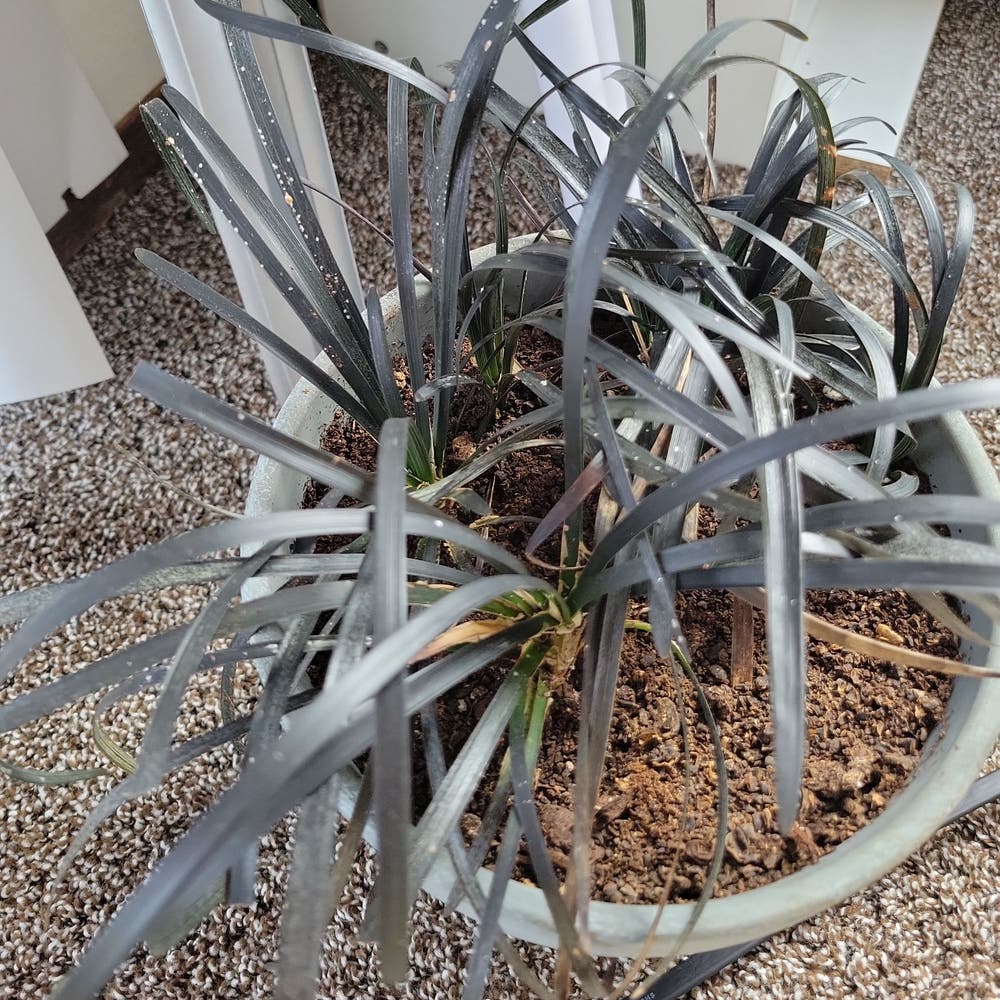
What Are The Bugs on My Black Mondo Grass? 🐛
Ophiopogon planiscapus
By the Greg Editorial Team
Mar 19, 2024•6 min read
This article was created with the help of AI so we can cover more plants for you. May contain errors. See one? Report it here.
- 🕸️ Spider mites leave webs and speckles; increase humidity to prevent them.
- 🐞 Use natural predators like ladybugs, or neem oil for pests.
- 🚫 Prevent pests with IPM, regular monitoring, and proper plant care.
Spider Mites: The Sneaky Sap-Suckers
🕷️ Spotting the Telltale Webs: Identifying Spider Mites on Your Black Mondo Grass
Spider mites are microscopic troublemakers, but their presence is betrayed by the delicate webs they leave on your Black Mondo Grass. Look for yellow or white speckles on the leaves; these are the battle scars from the mites' sap-sucking sprees. You might need a magnifying glass to spot the critters themselves, but their webby homes are a dead giveaway.
🦸 From Natural Predators to Soapy Sprays: Effective Spider Mite Remedies
Ladybugs and predatory mites are the unsung heroes in this saga, naturally keeping spider mite populations in check. If you're going for the direct approach, insecticidal soaps or neem oil can be your weapons of choice. Spray liberally, especially under the leaves, but test on a small area first to prevent any collateral damage to your plant.
🛡️ Keeping the Mites at Bay: Prevention Tips for a Spider Mite-Free Garden
Prevention is better than cure, and it's no different with spider mites. Increase humidity by misting your plants regularly; these pests hate a moist environment. Wipe down leaves to disrupt any potential spider mite raves and consider a plant-based miticide as a preventative measure. Always quarantine new plants to make sure they're not smuggling in these unwanted guests.
Scale Insects: Sticky Foes of Foliage
🕵️♂️ The Sticky Truth: Recognizing Scale on Your Black Mondo Grass
Scale insects are masters of disguise, often appearing as mere bumps on your Black Mondo Grass. These sap-sucking pests can lead to yellowing leaves and a black, sooty mold from their sticky honeydew. Vigilance is your best tool; inspect your plants regularly for these signs.
🛡️ Combating the Clingy Critters: Solutions for Scale Infestations
When scale insects make an unwanted appearance, it's time for action. Start with a rub-down using alcohol swabs to tackle the adults. For a broader approach, systemic insecticides can be effective, especially for persistent problems, as they target both the insects and their eggs. And don't overlook the power of natural predators like ladybugs, which can be introduced to help control the population.
💡 A Scaled-Down Problem: Preventative Practices Against Scale Insects
Preventing scale starts with quarantine for new plants and a commitment to cleanliness. Remove dead or infested foliage promptly to halt their spread. Encourage natural predators by maintaining a diverse garden ecosystem. And remember, a robust Black Mondo Grass is less appealing to these sticky foes. Keep your plants healthy, and you'll keep the scales at bay.
Fungus Gnats and Fruit Flies: The Fliers in the Soil
✈️ Unwanted Flight Patterns: Identifying Fungus Gnats and Fruit Flies Around Your Plant
Fungus gnats and fruit flies are the uninvited guests at your plant party. Fungus gnats are tiny, dark-winged insects that love moist soil and often hover around the plant base. They're weak flyers, so you'll spot them staggering on surfaces or near light sources. Fruit flies boast red eyes and are attracted to the sweet decay of overripe fruit, often found in kitchens. They're the agile acrobats that zip away when you get too close. Look for the Y-shaped vein on the wings of fungus gnats to tell them apart from their fruit-loving cousins.
🚀 Ground Control: Strategies to Eliminate Fungus Gnats and Fruit Flies
To tackle these pests, dry out the soil between waterings, as both critters thrive in damp conditions. Sticky traps are your visual scoreboard, snagging adult flies mid-flight. Introduce beneficial nematodes to the soil; they're the covert ops that target gnat larvae. If the infestation is severe, consider repotting your plant with fresh, dry soil to disrupt the breeding cycle. And don't forget to clean up any plant debris—think of it as taking out the trash to avoid attracting more pests.
🚫 No Fly Zone: Keeping Fungus Gnats and Fruit Flies Away
Prevention is your best defense. Maintain a clean environment and store fruit properly to discourage fruit flies. Stick to a strict watering schedule to keep the soil from becoming a gnat nursery. Inspect new plants before introducing them to your collection, as they might be harboring stowaways. And remember, over-fertilizing is like rolling out the red carpet for fungus gnats, so keep the feast to a minimum. By staying vigilant and adopting these practices, you'll keep your Black Mondo Grass a no-fly zone.
Mealybugs: The White Waxy Invaders
🐜 A Sticky Situation: Spotting Mealybugs on Black Mondo Grass
Mealybugs are the white waxy pests turning your Black Mondo Grass into a sticky mess. Look for cotton-like clusters under leaves or near the plant's base. A trail of ants or a sticky residue? That's your cue; mealybugs are feasting on your grass.
🌿 Wipe Out the White: Mealybug Eradication Techniques
Alcohol swabs are your first line of defense—wipe down affected areas to remove these pests. For larger invasions, neem oil or insecticidal soap sprays can be effective. Remember, these critters are tenacious; thorough application is key to success.
🚫 Mealybug-Free Zone: Preventative Measures to Protect Your Plants
Prevention is straightforward: inspect regularly and keep new plants quarantined. Ensure your Black Mondo Grass is in a clean space with good airflow to discourage mealybug squatters. Vigilance and cleanliness are your allies in maintaining a mealybug-free zone.
Proactive Pest Control: Keeping Your Black Mondo Grass Bug-Free
🛡️ Integrated Pest Management: Combining Tactics for a Healthy Plant
Integrated Pest Management (IPM) is your garden's Swiss Army knife, a versatile approach combining multiple strategies to keep your Black Mondo Grass thriving. Think of IPM as your plant's personal bodyguard, employing everything from biological controls—like introducing predator insects—to cultural practices and chemical treatments when necessary. It's about being smart and selective, not just spraying and praying.
🕵️ Regular Monitoring: The Key to Early Detection and Control
Regular checks of your Black Mondo Grass are like a routine health check-up; they help catch problems before they balloon into full-blown infestations. Use a magnifying glass to spot the early signs of trouble, such as discolored leaves or tiny webs. Sticky traps can serve as an early warning system for flying pests. Remember, vigilance is non-negotiable; it's the cornerstone of IPM.
🏰 Creating an Uninviting Environment: Cultural Practices to Deter Pests
Cultural practices are your first line of defense in creating a fortress against pests. Start with proper watering—at the base, not overhead, to keep leaves dry and less appealing to invaders. Mulching helps retain moisture and suppress weeds, creating a less hospitable environment for pests. And don't forget about sanitation; keeping the area clean is like keeping your kitchen crumb-free to avoid attracting ants.
⚠️ Safety First
This content is for general information and may contain errors, omissions, or outdated details. It is not medical, veterinary advice, or an endorsement of therapeutic claims.
Always consult a qualified healthcare professional before using any plant as food, medicine, or supplement.
Never eat any plant (or feed one to pets) without confirming its identity with at least two trusted sources.
If you suspect poisoning, call Poison Control (800) 222-1222, the Pet Poison Helpline (800) 213-6680, or your local emergency service immediately.
Spotted an error? Please report it here.
Keep your Black Mondo Grass bug-free 🐞 with Greg's tailored reminders to perfect your watering routine, deterring pests before they can make a home.