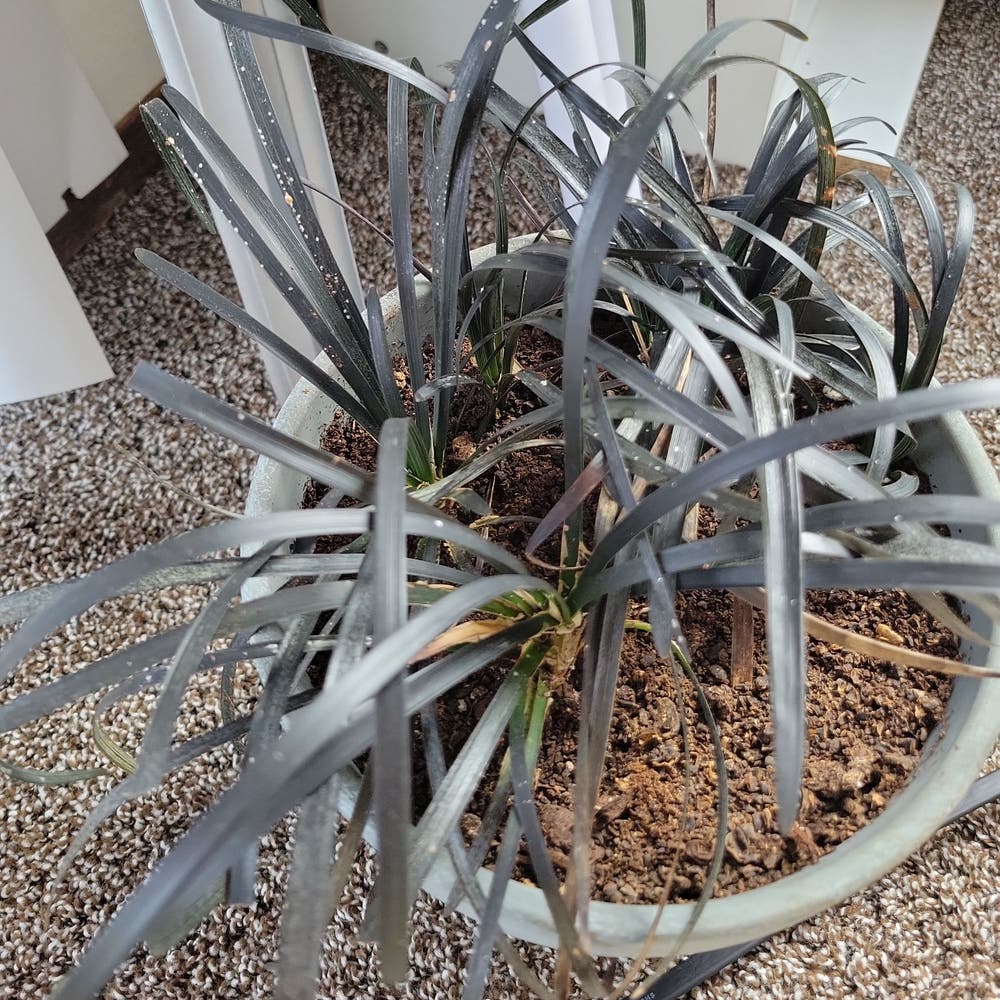
Why Are There Brown Spots on My Black Mondo Grass Leaves?
Ophiopogon planiscapus
By the Greg Editorial Team
Mar 19, 2024•5 min read
This article was created with the help of AI so we can cover more plants for you. May contain errors. See one? Report it here.
- Fungal infections and sunburn are common causes of brown spots.
- Inspect and adjust care immediately upon spotting brown areas.
- Prevent with proper watering, shade, and fertilization to keep grass healthy.
Spotting the Trouble: Identifying Brown Spots on Your Black Mondo Grass
👀 Visual Symptoms: What Do Brown Spots Look Like?
Brown spots on Black Mondo Grass can range from tiny specks to larger blotches. They may appear uniform or scattered, with some spots surrounded by a colorful halo. The texture can vary from crispy to slimy, and the colors can include shades of brown with yellow or black halos.
⏰ Timing and Pattern: When and Where Do Brown Spots Appear?
Brown spots can emerge at any time but are especially prevalent in humid or wet conditions. They often appear on the topside of leaves but can also be found on the underside or along the edges. An increase in size or quantity of spots is a clear signal to take action.
🚨 Immediate Actions: What to Do When You First Notice Brown Spots
Upon spotting the first signs of brown spots, inspect your plant thoroughly. Check the soil moisture; if it's soggy, ease up on the watering. Assess the drainage and air circulation around your plant. If you suspect a fungal issue, consider applying a fungicide formulated for leaf spot diseases. Remember, early detection and prompt action can prevent the spread and save your Black Mondo Grass from further damage.
The Usual Suspects: Common Causes of Brown Spots
🍄 Fungal Foes: Identifying Signs of Fungal Infections
Brown spots on Black Mondo Grass can often be traced back to fungal infections. Look for spots with a yellow halo or concentric rings, a clear sign of fungal defiance. These infections love moisture, so if your grass is in soggy soil, it's time to reassess your watering habits.
☀️ Sunburn Scorch: Recognizing Damage from Too Much Sun
Not all brown spots are a sign of disease; some are simply sunburn. If the spots are dry and appear on the most sun-exposed parts of the leaves, it's likely your grass has had a bit too much fun in the sun. Consider providing some shade to give it a break from the harsh rays.
💦 Drowning Roots: The Consequences of Overwatering
Overwatering can lead to soft, dark brown spots, often found on the leaf undersides. This is the plant's distress signal, indicating that the roots are too wet and unhappy. It's a prime setup for pathogens to throw a party, so aim for that perfect watering balance.
🌿 Starving for Nutrients: How Deficiencies Can Lead to Brown Spots
Nutrient deficiencies can be stealthy, but once they take hold, they spread rapidly, often resulting in brown spots. These deficiencies are like silent alarms, hinting that your Black Mondo Grass is missing out on vital sustenance. Time to consider whether your fertilizing routine needs a tweak.
Fixing the Spots: Effective Treatment Options
🍄 Battling Fungus: Choosing the Right Fungicide
Fungicides are your first line of defense against the fungal forces wreaking havoc on your Black Mondo Grass. Opt for a protectant fungicide to act as a barrier if you're early in the game, or a systemic fungicide for a more entrenched enemy. Tebuconazole and triticonazole are the heavy hitters here. Apply with precision—think of it as painting a masterpiece on every leaf, top to bottom. Rotate products to keep the fungi on their toes and resistance low.
🌤 Shading Strategies: Protecting from Harsh Sunlight
If your Black Mondo Grass is getting too much sun, it's time to throw some shade—literally. Create shelter with strategically placed sunscreens or companion plants. This isn't just about aesthetics; it's about providing a refuge from the scorching rays that can cause those unsightly brown spots.
💧 Water Wisdom: Finding the Perfect Watering Balance
Watering is an art and a science. Too much, and you're inviting a fungal fiesta; too little, and you're hosting a drought. Check the soil before watering—only when it's dry. Water at the base to avoid wetting the leaves, and do it in the morning so they can dry out over the day. Ensure your soil is well-draining; it's the difference between a plant spa and a swamp.
🌱 Feeding Your Grass: Selecting Appropriate Fertilizers
Your Black Mondo Grass is hungry for nutrients, but not just any snack will do. Choose a fertilizer that's rich in nitrogen to support lush, green growth. But don't go overboard—a balanced diet is key. Overfeeding can lead to more problems than a few brown spots.
Keeping It Green: Prevention Tips for a Spotless Future
🌱 Cultural Practices: Ensuring Optimal Growing Conditions
Location is crucial. Position Black Mondo Grass to bask in gentle morning light, avoiding the intense afternoon sun. Airflow is equally important; give your plants space to breathe, reducing disease risk.
👀 Regular Monitoring: Keeping an Eye Out for Early Signs
Vigilance is your plant's best ally. Regularly inspect leaves for early signs of trouble, and act swiftly to prevent brown spots from taking hold.
🛡️ Proactive Plant Care: Routine Maintenance to Deter Brown Spots
Cleanliness keeps pathogens at bay. Remove debris and fallen leaves promptly. Ensure watering is done at the base to avoid wet leaves, which invite fungal invaders. Prune strategically, using sterilized tools to cut away any unhealthy tissue. Maintain soil health with good drainage and appropriate fertilization, avoiding overfeeding. Remember, prevention is proactive plant parenting.
⚠️ Safety First
This content is for general information and may contain errors, omissions, or outdated details. It is not medical, veterinary advice, or an endorsement of therapeutic claims.
Always consult a qualified healthcare professional before using any plant as food, medicine, or supplement.
Never eat any plant (or feed one to pets) without confirming its identity with at least two trusted sources.
If you suspect poisoning, call Poison Control (800) 222-1222, the Pet Poison Helpline (800) 213-6680, or your local emergency service immediately.
Spotted an error? Please report it here.
Banish those brown spots and ensure your Black Mondo Grass thrives by monitoring 🕵️♂️ with Greg's environmental assessment tools and tailored care advice.