Does My Black Mondo Grass Need Direct Sunlight?
Ophiopogon planiscapus
By the Greg Editorial Team
Mar 19, 2024•3 min read
This article was created with the help of AI so we can cover more plants for you. May contain errors. See one? Report it here.
- 🌓 Partial shade preferred; direct sun can cause leaf scorch.
- 🌱 North-facing windows ideal for consistent, gentle light.
- 🛠️ DIY shade solutions protect from excessive sunlight.
How Much Sun is Too Much?
🌤️ Black Mondo Grass and Its Sunlight Sweet Spot
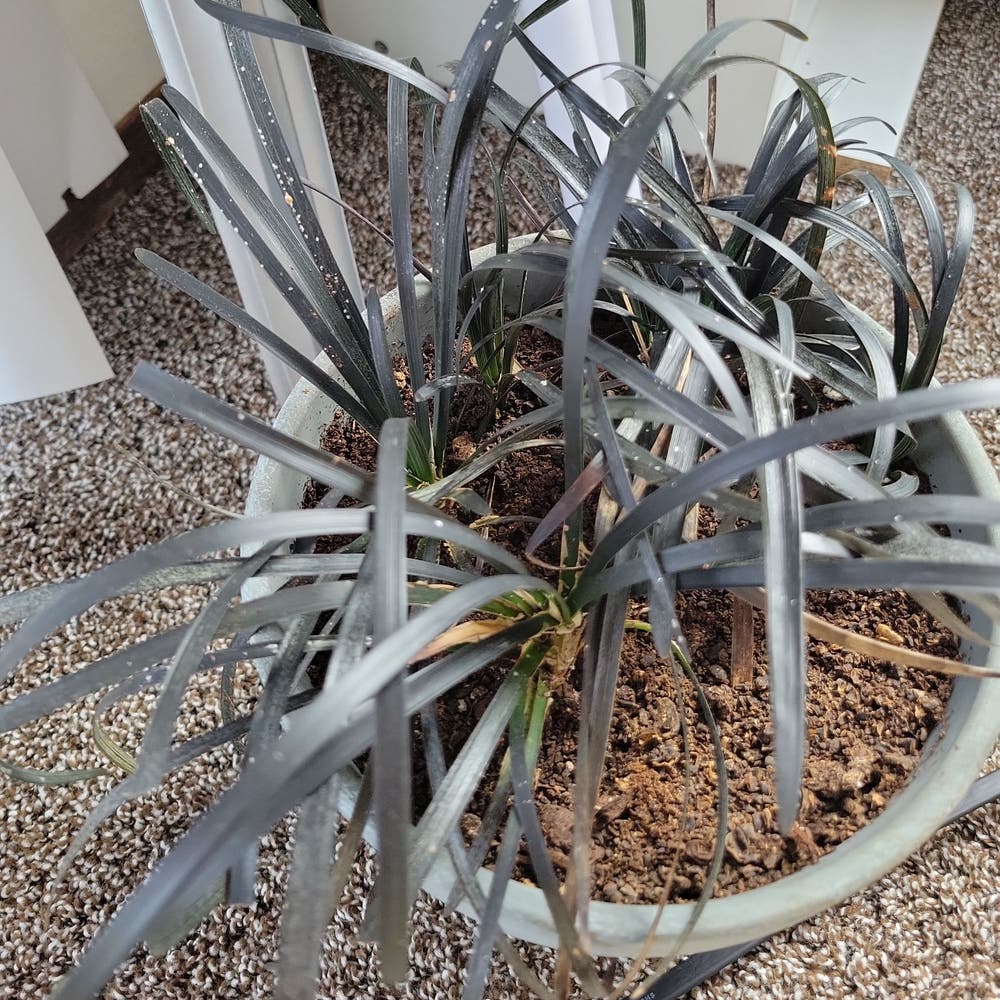
Black Mondo Grass thrives in a partial shade environment. Too much sun can lead to leaf scorch, where the leaves turn brown and crispy. In contrast, too much shade can cause the grass to lose its signature dark hue, turning the leaves greener.
🌟 The Lowdown on Light Intensity
Understanding light intensity is crucial for Black Mondo Grass care. Bright, indirect sunlight is the plant's best friend, while direct sunlight, especially during peak hours, can be its worst enemy. The grass can handle some morning or late afternoon sun, but shield it from the harsh midday rays to prevent damage.
Through the Looking Glass: Window Wisdom
🌅 The Direction Dilemma: Which Window Works Wonders?
North-facing windows are the underdogs of light, offering a consistent, gentle glow that won't overwhelm your Black Mondo Grass. South-facing windows are the life of the party, bathing plants in abundant sunlight—ideal for the Northern Hemisphere. East or west? They're the Goldilocks zones, with east windows providing a soft morning light and west windows dishing out a stronger afternoon serving. Rotate your plant to ensure even exposure and prevent one-sided growth.
🌍 Hemisphere Highlights: Location, Location, Sun-ation!
Your hemisphere plays a starring role in your Black Mondo Grass's sunbathing saga. In the Northern Hemisphere, south-facing windows are the VIP seats for sunlight. Flip the script to the Southern Hemisphere, and it's north-facing windows that steal the show. But remember, seasons change the game—winter's weak sun demands the best seat in the house, while summer's intense rays might call for a step back or a sheer curtain to avoid a sunburnt performance.
Protecting Your Dark Darling from Direct Sunlight
🌞 Seasonal Strategies for Sunlight Management
As the seasons pivot, your Black Mondo Grass's sunlight needs shift. Summer's intensity demands that you play the role of a vigilant guardian, shielding your grass from the sun's fiercest rays. When the winter chill sets in, your grass will appreciate every sliver of sunlight it can get, so position it to bask in the sparse warmth.
🌅 When to Shield Your Grass from the Sun's Spotlight
During the peak summer months, your Black Mondo Grass may start to show signs of distress under relentless sun exposure. This is your cue to intervene. Whether it's the strategic placement of a shade cloth or a timely relocation to a less exposed area, your goal is to prevent the leaves from getting scorched.
🌱 Practical Tips for Perfect Sunlight Placement
Finding the optimal spot for your Black Mondo Grass involves a bit of trial and error. Start by placing it in a location that enjoys morning sunlight but is shielded from the harsh afternoon glare. If you're indoors, a north-facing window can be a sweet spot, offering consistent, indirect light.
🎨 DIY Sun Protection: Tricks of the Trade
If your Black Mondo Grass is catching too many rays, get creative with DIY shade solutions. A sheer curtain can act as a gentle filter, while a shade cloth can serve as a more robust barrier. And don't forget to rotate your plant regularly to ensure even exposure, keeping all sides equally lush and vibrant.
⚠️ Safety First
This content is for general information and may contain errors, omissions, or outdated details. It is not medical, veterinary advice, or an endorsement of therapeutic claims.
Always consult a qualified healthcare professional before using any plant as food, medicine, or supplement.
Never eat any plant (or feed one to pets) without confirming its identity with at least two trusted sources.
If you suspect poisoning, call Poison Control (800) 222-1222, the Pet Poison Helpline (800) 213-6680, or your local emergency service immediately.
Spotted an error? Please report it here.
Ensure your Black Mondo Grass ✨ never gets too much sun with Greg's PlantVision, which measures the perfect spot and distance to the nearest window for thriving growth.