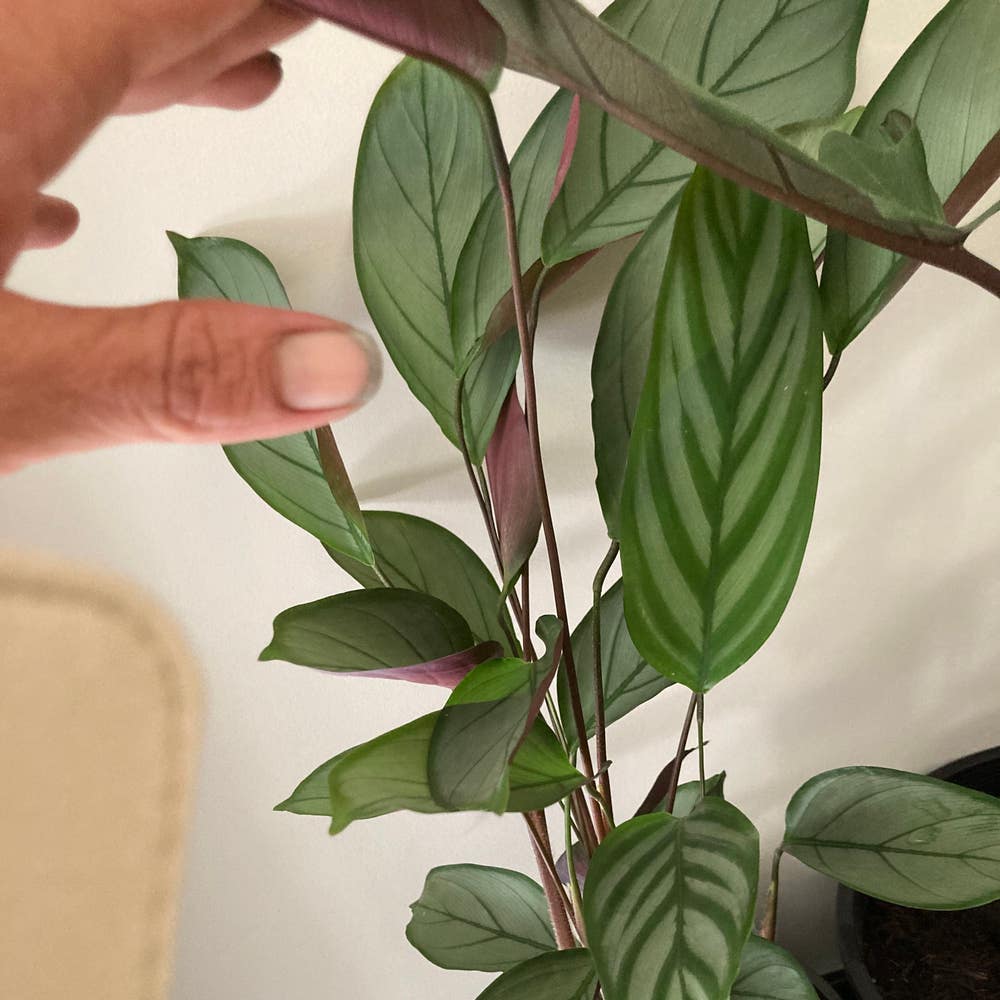
🌵 4 Perfect Times to Plant Never Never Plant
Ctenanthe oppenheimiana
By the Greg Editorial Team
Oct 02, 2024•6 min read
This article was created with the help of AI so we can cover more plants for you. May contain errors. See one? Report it here.
Unlock your garden's potential by mastering frost dates and planting times for a bountiful harvest! 🌱
- 🌱 Know your frost dates to protect young plants from damage.
- 🌡️ Ideal soil temperatures for germination are 65°F to 75°F (18°C to 24°C).
- 📅 Regional guidelines help maximize your planting success across different climates.
Frost Dates and Their Importance
🌡️ Determining Frost Dates
Understanding frost dates is crucial for successful gardening. The last frost date in spring marks when you can safely plant without the risk of frost damage, while the first frost date in fall signals when to prepare for the end of the growing season.
Knowing these dates helps you plan your planting schedule effectively. Always aim to plant after the last frost to protect your young plants from potential harm.
Soil Temperature Considerations
Ideal Soil Temperature 🌡️
For successful germination, soil temperature is crucial. Aim for an optimal range of 65°F to 75°F (18°C to 24°C).
Measuring Soil Temperature 📏
To accurately gauge soil temperature, use a soil thermometer. Insert it 2-4 inches into the soil for the best reading.
Timing is also key. Check the soil temperature a few days before planting to ensure conditions are just right.
Understanding these factors will help you make informed decisions about when to plant, setting the stage for a thriving garden.
Next, let’s explore how day length impacts plant growth and flowering.
Day Length and Growth
Impact on Planting 🌱
Longer days are a game changer for your garden. They not only promote flowering but also boost overall plant growth, making it essential to consider day length when planning your planting schedule.
Seasonal Timing 🌞
The best times to plant align with those longer daylight hours, typically from late spring to early summer. This is when your plants will thrive, soaking up the sun and reaching their full potential.
Understanding the relationship between day length and plant growth can significantly enhance your gardening success. By timing your planting correctly, you can ensure that your plants have the best chance to flourish.
As you prepare for your planting season, keep these insights in mind to maximize your garden's productivity. Next, let’s dive into regional planting guidelines to help you choose the perfect months for your area.
Regional Planting Guidelines
Ideal Planting Months 🌱
Knowing when to plant in your region can make all the difference in your gardening success. Here’s a quick guide to the ideal planting months for various states:
Florida
- April to June: This is the sweet spot for planting in the Sunshine State. The warm temperatures and ample sunlight create perfect conditions for growth.
California
- March to May: With its diverse climates, California offers a broad window for planting. Early spring is ideal for many crops, taking advantage of the mild weather.
Texas
- March to May: Similar to California, Texas gardeners can start planting in early spring. The warm climate allows for a variety of plants to thrive.
New York
- Late May to June: In New York, wait until the risk of frost has passed. Late spring is your best bet for a successful garden.
Colorado
- June: Due to its cooler climate, Colorado gardeners should hold off until June. This timing helps avoid frost damage.
Ohio
- Late May to early June: Ohio’s planting season kicks off in late May. This timing ensures that plants have the best chance to flourish.
Summary 📋
Understanding these regional guidelines helps you plan your planting effectively. By aligning your gardening efforts with the ideal months, you’ll set yourself up for a bountiful harvest.
Next, let’s dive into seed starting techniques to maximize your gardening success!
Seed Starting Techniques
🌱 Indoor vs. Direct Sowing
When it comes to starting your garden, you have two main options: indoor seed starting and direct sowing. Each method has its own set of advantages that can cater to different gardening styles and climates.
🏠 Indoor Seed Starting
Starting seeds indoors can significantly extend your growing season. This method allows you to protect young plants from late frosts, giving them a head start.
Timing is crucial; aim to start your seeds indoors 6-8 weeks before the last frost date. This way, your plants will be ready to thrive as soon as the weather warms up.
🌍 Direct Sowing
On the other hand, direct sowing is all about simplicity. You plant seeds directly into the soil, allowing them to grow in their natural environment.
This method is best done after the last frost date when soil temperatures are optimal. It’s a straightforward approach that many gardeners find rewarding.
⏰ Specific Timing Considerations
Timing can vary significantly based on your location. For instance, if you're in Florida, late February is ideal for starting seeds indoors.
In contrast, if you're in New York, wait until after May 20 for direct sowing. Knowing your local climate can make all the difference in your gardening success.
With these techniques in mind, you can choose the best approach for your garden and ensure a bountiful harvest. Next, let’s explore the regional planting guidelines to help you pinpoint the perfect planting months for your area.
Comprehensive Planting Guide
🌍 All 52 States and Ideal Planting Times
Knowing when to plant is crucial for a successful garden. Here’s a breakdown of ideal planting months across the United States.
🌴 Florida
- Ideal Months: April to June
Florida's warm climate allows for an extended growing season, making spring and early summer perfect for planting.
🌞 California
- Ideal Months: March to May
With its diverse climate, California offers a wide window for planting, especially in spring.
🤠 Texas
- Ideal Months: March to May
Texas gardeners can take advantage of the mild spring temperatures to get their plants in the ground.
🍎 New York
- Ideal Months: Late May to June
In New York, it's best to wait until late spring to avoid frost and ensure optimal growth conditions.
🏔️ Colorado
- Ideal Month: June
Colorado's cooler climate means a later planting season, so June is the time to start.
🌽 Ohio
- Ideal Months: Late May to early June
Ohio gardeners should aim for late spring to ensure their plants thrive without frost damage.
🌾 Additional States
- Midwest: Generally, late May to early June is ideal.
- Northeast: Similar to New York, focus on late spring.
- Southwest: March to April works well for most regions.
🎉 Conclusion
Understanding these regional guidelines helps you plan effectively. With the right timing, your garden can flourish, yielding a bountiful harvest. Next, let’s explore seed starting techniques to maximize your gardening success.
⚠️ Safety First
This content is for general information and may contain errors, omissions, or outdated details. It is not medical, veterinary advice, or an endorsement of therapeutic claims.
Always consult a qualified healthcare professional before using any plant as food, medicine, or supplement.
Never eat any plant (or feed one to pets) without confirming its identity with at least two trusted sources.
If you suspect poisoning, call Poison Control (800) 222-1222, the Pet Poison Helpline (800) 213-6680, or your local emergency service immediately.
Spotted an error? Please report it here.
Maximize your garden's potential by planting your Never Never Plant at the right time 🌱—let Greg guide you with personalized reminders and soil temperature tracking for a flourishing garden!