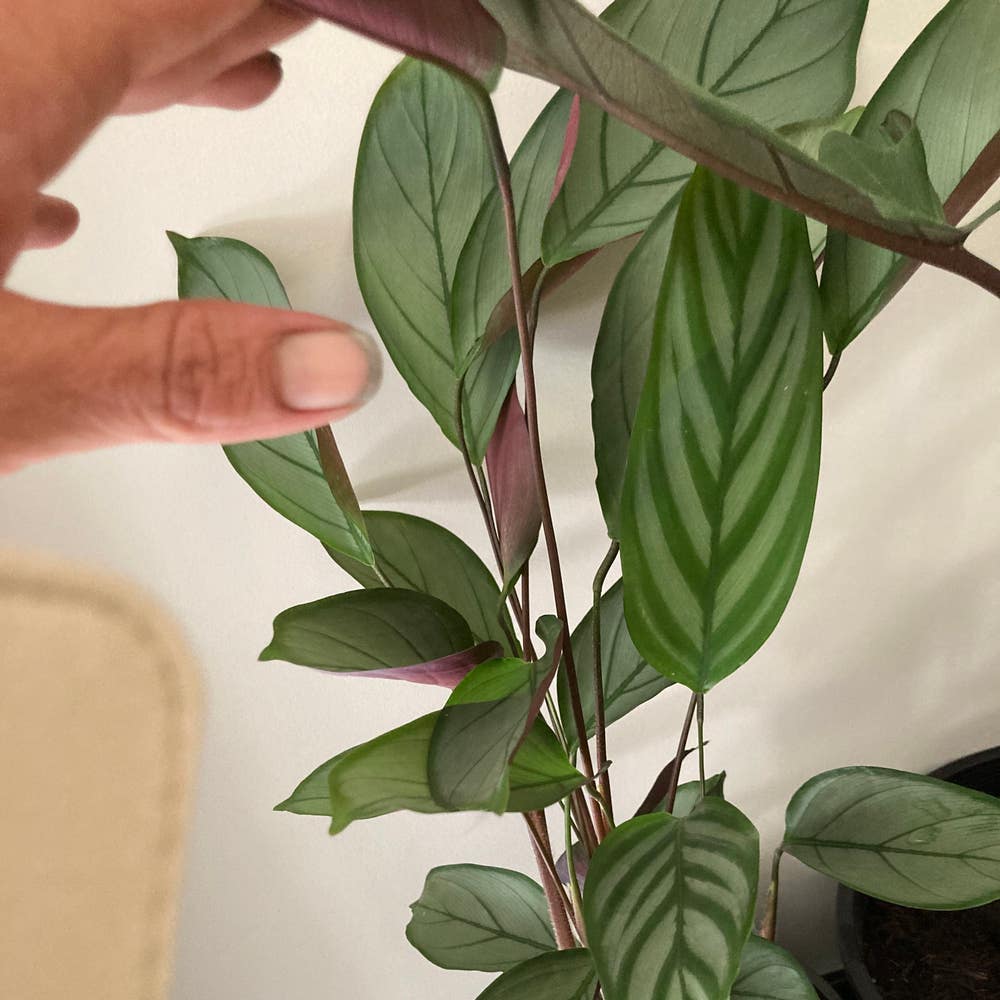
Ultimate Guide to What's Eating Your Never Never Plant 🐛
Ctenanthe oppenheimiana
By the Greg Editorial Team
Oct 01, 2024•6 min read
This article was created with the help of AI so we can cover more plants for you. May contain errors. See one? Report it here.
Safeguard your Never Never Plant from hungry herbivores 🐇 while boosting your garden's beauty and biodiversity! 🌿
- 🌿 Never Never Plant attracts pollinators while facing threats from deer, rabbits, and squirrels.
- 🚫 Effective deterrents include garlic spray, fencing, and capsaicin for protecting your plant.
- 🐝 Beneficial insects like bees enhance pollination, promoting a healthier garden ecosystem.
Description and Appeal
Appearance 🌿
The Never Never Plant is a showstopper in any garden. With its vibrant foliage and attractive flowers, it draws the eye and invites admiration.
This plant thrives in well-drained soils and partial shade, making it versatile for various garden settings. Typically, it grows to a height of 1-3 feet, depending on the conditions it faces.
Most Appealing Parts 🍇
One of the most captivating features of the Never Never Plant is its bright, accessible fruits. These colorful additions not only enhance the visual appeal but also serve as a food source for various creatures.
Its nectar-rich flowers attract pollinators and herbivores alike, creating a lively ecosystem. Additionally, the young shoots are tender and nutritious, making them a favorite among garden animals.
The combination of these appealing parts makes the Never Never Plant a delightful choice for both aesthetics and biodiversity in your garden.
As we explore the common herbivores that may threaten this beauty, it's essential to understand how to protect it effectively.
Common Herbivores
🦌 Deer
Signs and Damage
Deer can be a significant threat to your Never Never plant. Look for hoof prints in muddy areas and stripped leaves, especially from the lower branches.
Interaction
These creatures are generally harmful, as they can decimate plant populations if not managed effectively.
Deterrent Methods
To keep deer at bay, consider using commercial deer repellents. For a more organic approach, garlic spray, human hair, or soap shavings can be effective deterrents.
🐇 Rabbits
Signs and Damage
Rabbits leave behind small, round droppings near your plants. They also tend to cleanly cut stems and leaves, making their presence known.
Interaction
Like deer, rabbits can be quite harmful, leading to significant damage to your Never Never plant.
Deterrent Methods
Bitter-tasting sprays can deter rabbits chemically. Alternatively, fencing with chicken wire around your plants is an easy and effective organic solution.
🐿️ Squirrels
Signs and Damage
Squirrels are notorious for chewing on stems and fruits. You might also spot nests in nearby trees, indicating their presence.
Interaction
These critters are generally harmful, as they can damage both fruits and flowers.
Deterrent Methods
Capsaicin-based sprays can deter squirrels chemically. For an organic option, try using scare tactics like reflective tape or noise makers.
🐦 Birds
Signs and Damage
Look for pecking marks on fruits and flowers, as well as nesting behavior nearby. These signs indicate that birds are taking an interest in your plants.
Interaction
Birds have a mixed impact; while some pollinate, others may damage your fruits.
Deterrent Methods
Typically, no chemical deterrents are used for birds. Instead, consider netting over your plants or placing reflective objects to keep them away.
🐭 Rodents
Signs and Damage
Rodents leave small burrows near the base of your plant and often chew on leaves and stems. Their feeding habits can be quite damaging.
Interaction
These animals are generally harmful, leading to significant plant damage.
Deterrent Methods
Rodent bait stations can be used as a chemical deterrent. For an organic approach, traps or planting mint nearby can help keep them away.
🦡 Groundhogs
Signs and Damage
Groundhogs create large burrows near your garden and can cause significant damage to lower foliage through browsing.
Interaction
These animals are generally harmful, as they can quickly consume large amounts of plant material.
Deterrent Methods
Commercial repellents can deter groundhogs chemically. For a more organic solution, install fencing that is at least 3 feet high and buried underground to keep them out.
Understanding these common herbivores and their interactions with your Never Never plant is crucial for maintaining its health. By employing the right deterrent methods, you can protect your plant from potential damage and ensure it thrives. Next, let’s explore the beneficial animals that can help your garden flourish.
Beneficial Animals
🌼 Description
Pollinators like bees and butterflies are drawn to the vibrant flowers of your Never Never plant. Their presence not only beautifies your garden but also plays a crucial role in the ecosystem.
🐞 Predatory Insects
Ladybugs and lacewings are the unsung heroes of your garden. They help control pest populations, ensuring your plants stay healthy and thriving.
🍏 Positive Impacts
The enhanced pollination from these beneficial animals leads to better fruit set. This natural process reduces the need for chemical interventions, promoting a healthier garden environment.
🌍 Ecosystem Support
By attracting these creatures, you create a balanced ecosystem. This not only benefits your Never Never plant but also supports the broader environment, making your garden a haven for wildlife.
Incorporating these beneficial animals into your gardening strategy can lead to a flourishing landscape. Next, let’s explore effective protection strategies to keep your plants safe from herbivores.
Protection Strategies
🛡️ Preventive Measures
Fencing is one of the most effective ways to keep larger herbivores away from your Never Never plant. Installing barriers that are at least three feet high and buried underground can deter animals like deer and groundhogs.
Companion planting is another smart strategy. By placing plants that naturally repel herbivores nearby, you can create a protective environment for your Never Never plant.
⚠️ Reactive Solutions
Regular monitoring is crucial for early detection of animal activity. Check your plants frequently for signs of damage or animal presence to stay ahead of potential threats.
When you notice any signs of damage, take immediate action. Using deterrents promptly can help minimize the impact on your plants and keep them thriving.
🍂 Seasonal Variations
Spring brings increased activity as many animals emerge from hibernation. This is the time to be extra vigilant, as herbivores are on the lookout for fresh foliage.
Summer marks peak feeding times for many garden pests. Be prepared to implement your protection strategies to safeguard your plants during this busy season.
As fall approaches, animals begin foraging heavily to prepare for winter. This increased activity can lead to significant damage if not managed effectively.
By understanding these protection strategies, you can create a resilient environment for your Never Never plant, ensuring it remains healthy and vibrant throughout the year.
Toxicity and Ecological Role
⚠️ Toxic Effects
The Never Never Plant exhibits mild toxicity, which can serve as a double-edged sword. While certain parts may deter some herbivores, they can also attract others that are less sensitive to its chemical makeup.
🌱 Ecological Roles
Herbivores play a crucial role in the ecosystem, acting as a food source for various predator species. This interaction helps maintain a balanced food web, ensuring that populations of both herbivores and predators remain stable.
Additionally, the Never Never Plant contributes to soil health. As herbivores feed on its foliage, they naturally fertilize the soil and aerate it through their movements, promoting a healthier growing environment for all nearby plants.
Understanding these dynamics can help gardeners appreciate the intricate relationships within their gardens. By recognizing the plant's role in the ecosystem, you can make informed decisions about how to protect it while fostering a thriving garden environment.
Next, we'll explore effective protection strategies to safeguard your Never Never Plant from common herbivores.
⚠️ Safety First
This content is for general information and may contain errors, omissions, or outdated details. It is not medical, veterinary advice, or an endorsement of therapeutic claims.
Always consult a qualified healthcare professional before using any plant as food, medicine, or supplement.
Never eat any plant (or feed one to pets) without confirming its identity with at least two trusted sources.
If you suspect poisoning, call Poison Control (800) 222-1222, the Pet Poison Helpline (800) 213-6680, or your local emergency service immediately.
Spotted an error? Please report it here.
Keep your Never Never Plant thriving and beautiful 🌼 by using Greg's personalized tips and reminders to fend off herbivores and attract beneficial wildlife!