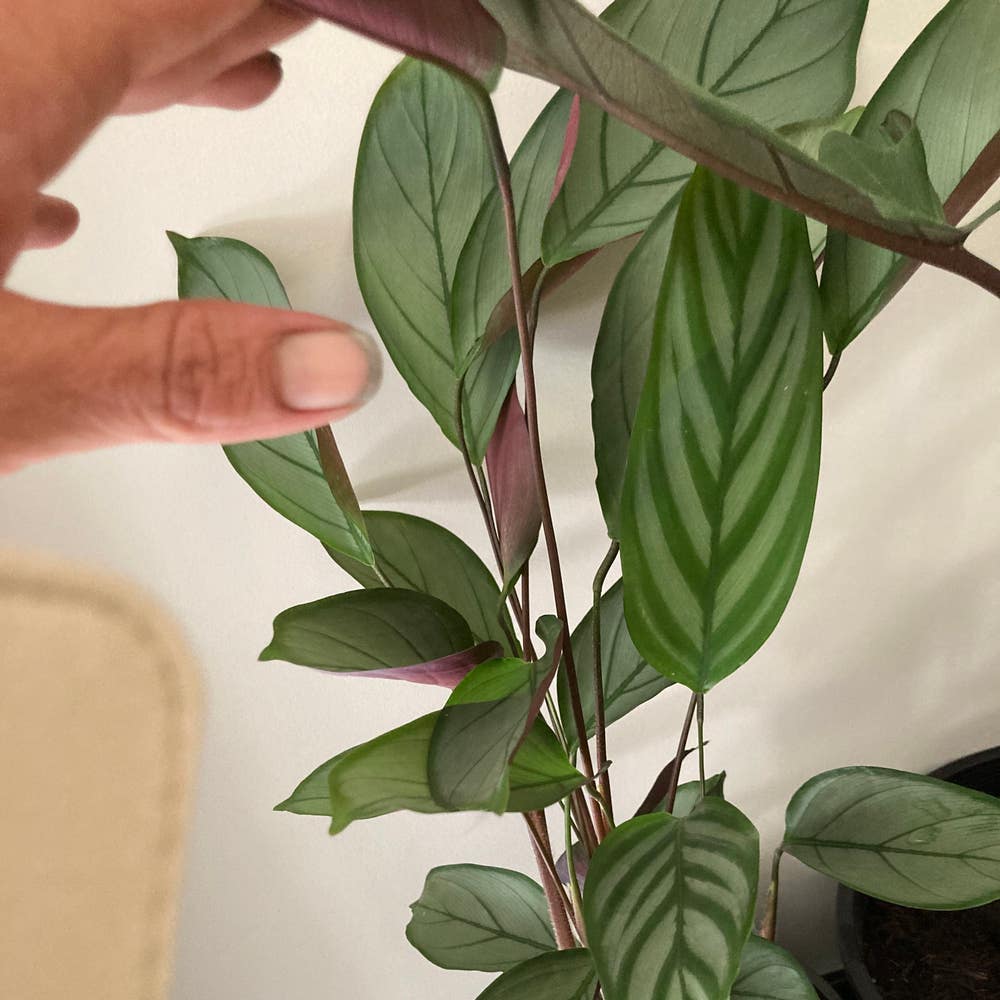
7 Winter Threats to Your Never Never Plant ❄️
Ctenanthe oppenheimiana
By the Greg Editorial Team
Oct 02, 2024•5 min read
This article was created with the help of AI so we can cover more plants for you. May contain errors. See one? Report it here.
Ensure your Never Never Plant thrives this winter 🌱 for a vibrant spring revival and lush growth ahead!
- 💧 Water every 1-2 weeks in winter, allowing soil to dry slightly to prevent rot.
- ❄️ Protect from frost by bringing indoors before temperatures drop below 50°F (10°C).
- 🌱 Maintain humidity levels between 50-70% to prevent crispy leaves and stunted growth.
Winter Care Requirements
Adjusting watering schedules 🌊
During winter, your Never Never Plant thrives with a watering frequency of every 1-2 weeks. Keep an eye out for signs of overwatering, like yellowing leaves, or underwatering, which can cause leaf curling.
Allowing the soil to dry out slightly between waterings is crucial. This practice helps prevent root rot and keeps your plant healthy.
Fertilizing needs 🥦
In winter, it's best to minimize or skip fertilization altogether since your plant is likely in dormancy. If you do choose to fertilize, opt for a balanced fertilizer suitable for Ctenanthe.
Maintaining nutrient balance is essential, as over-fertilization can lead to more harm than good. Always remember, less is often more during this season.
Importance of humidity levels 💧
Your Never Never Plant loves humidity, ideally in the range of 50-70%. Low humidity can lead to crispy leaf edges and stunted growth, so it’s essential to monitor this closely.
To boost humidity, consider using pebble trays, humidifiers, or misting. These methods can create a more favorable environment for your plant to flourish during the dry winter months.
By ensuring proper watering, fertilizing, and humidity levels, you set the stage for a thriving Never Never Plant. Next, let’s explore how to protect your plant from frost threats.
Protection from Frost
🥶 Identifying Frost Threats
Frost can be a sneaky adversary for your Never Never plant. Keep an eye out for temperature drops below 50°F (10°C), as this is a common sign that frost may be lurking.
Understanding microclimates is also crucial. These localized weather patterns can expose your plants to unexpected cold, so be aware of areas in your home or garden that might be more susceptible.
🛡️ Methods for Frost Protection
To safeguard your plants, consider bringing them indoors before frost sets in. This simple step can make a world of difference in protecting their health.
If you must keep them outside, using frost cloths or blankets can provide an extra layer of insulation. Additionally, creating barriers against cold winds can help shield your plants from harsh conditions.
🌱 Signs of Frost Damage and Recovery
After a frost, look for symptoms like browning leaves, wilting, or leaf drop. These are clear indicators that your plant has suffered.
If you notice frost damage, act quickly. Prune any damaged leaves and adjust your care routine to help your plant recover. With the right attention, your Never Never plant can bounce back and thrive once again.
As you prepare for spring, remember that vigilance against frost can set the stage for a healthy growing season.
Indoor Winter Care
Optimal Indoor Temperature 🌡️
Maintaining the right temperature is crucial for your Never Never plant during winter. Aim for a cozy range of 65°F to 80°F (18°C to 27°C) to keep your plant thriving.
Avoid placing your plant near drafts or in spots where sudden temperature changes occur. This stability helps prevent stress and keeps your plant healthy.
Placement Considerations for Light and Humidity 💡
Finding the perfect spot indoors can make all the difference. Position your Never Never plant near bright, indirect light to ensure it gets the energy it needs without the risk of leaf scorch.
Direct sunlight can be harsh, so steer clear of those sunny windows. Additionally, ensure good airflow around your plant while keeping humidity levels in check.
Monitoring for Pests During Winter 🐜
Winter can bring unwanted guests to your indoor garden. Keep an eye out for common pests like spider mites and aphids, which can thrive in dry indoor conditions.
Look for signs of infestations, such as webbing, sticky residue, or leaf discoloration. Regular inspections and maintaining overall plant health are your best defenses against these pests.
By staying vigilant and providing the right care, you can ensure your Never Never plant remains vibrant and healthy throughout the winter months. Next, let’s explore how to prepare for spring and recover from any winter damage.
Spring Preparation and Recovery
🌱 Signs of Winter Damage to Look For
As winter fades, it's crucial to inspect your Never Never Plant for signs of damage. Look for browning leaves, wilting stems, or any unusual discoloration that might indicate stress.
Assess the overall vigor of your plant. A healthy plant should show signs of new growth, while a lack of vitality could signal that it needs some extra care.
🌼 Steps for Spring Recovery and Rejuvenation
Start your spring recovery by pruning any dead or damaged foliage. This not only improves the plant's appearance but also encourages new growth.
Next, adjust your watering and fertilizing schedules as temperatures rise. With increased warmth, your plant will need more water and nutrients to thrive.
🌞 Transitioning Back to Outdoor Conditions
Timing is everything when moving your plant outdoors. Wait until after the last frost date to ensure a safe transition.
The acclimatization process is vital. Gradually expose your plant to outdoor light and temperatures to prevent shock.
Finally, keep an eye on your plant for signs of stress during this transition. Monitoring will help you catch any issues early and ensure a smooth return to outdoor living.
With these steps, your Never Never Plant will be ready to flourish in the warmer months ahead!
⚠️ Safety First
This content is for general information and may contain errors, omissions, or outdated details. It is not medical, veterinary advice, or an endorsement of therapeutic claims.
Always consult a qualified healthcare professional before using any plant as food, medicine, or supplement.
Never eat any plant (or feed one to pets) without confirming its identity with at least two trusted sources.
If you suspect poisoning, call Poison Control (800) 222-1222, the Pet Poison Helpline (800) 213-6680, or your local emergency service immediately.
Spotted an error? Please report it here.
Keep your Never Never Plant thriving this winter ❄️ with Greg's tailored watering reminders and humidity tracking to ensure it flourishes despite the cold!