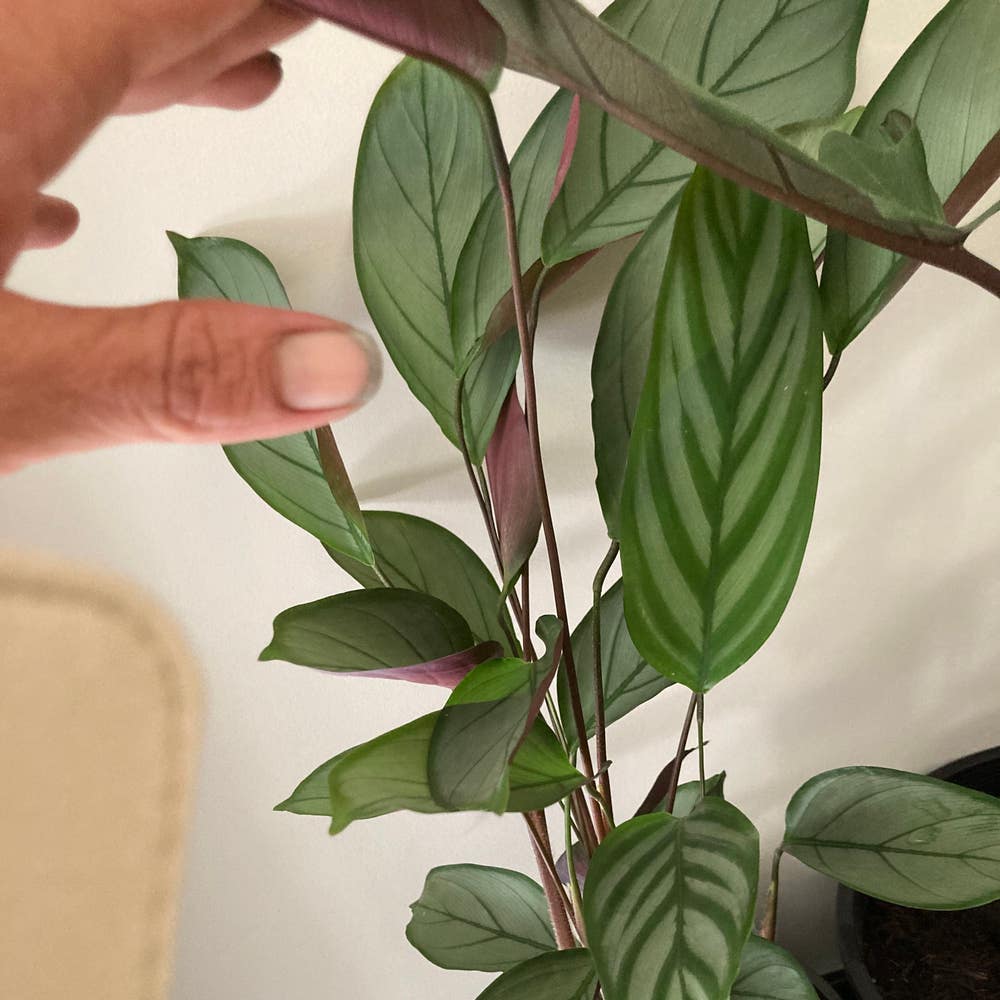
🚫 Never Never Plant Is Not an Annual
Ctenanthe oppenheimiana
By the Greg Editorial Team
Oct 01, 2024•4 min read
This article was created with the help of AI so we can cover more plants for you. May contain errors. See one? Report it here.
Elevate your garden with the Never Never Plant 🌱, a resilient perennial that blooms year-round with minimal care!
- 🌱 The Never Never Plant is a perennial, thriving for years with proper care.
- 🌼 It flowers multiple times yearly, adding vibrant color to your garden.
- 🌍 Ideal for warm climates, it enhances gardens with minimal maintenance.
Genetic and Physiological Characteristics
Long-term Lifecycle 🌱
The Never Never Plant is a true perennial, capable of living for several years when provided with optimal conditions. Its growth cycle is impressive, featuring continuous growth and flowering throughout the year, making it a vibrant addition to any garden.
Growth Patterns 🌿
This plant showcases lush, vibrant leaves that thrive in warm climates, adding a splash of color to your landscape. Its adaptability allows it to grow year-round in tropical and subtropical regions, ensuring it remains a staple in diverse garden settings.
Reproductive Strategies 🌼
One of the standout features of the Never Never Plant is its ability to produce seeds annually. Additionally, it can spread through rhizomes or cuttings, making it a resilient choice for gardeners looking to expand their green spaces effortlessly.
With its robust lifecycle and growth patterns, the Never Never Plant offers unique advantages that set it apart from annuals. Next, we’ll explore the lifecycle implications of this remarkable plant.
Lifecycle Implications
🌼 Effects on Growth and Flowering
The Never Never Plant stands out for its ability to flower continuously throughout the year. Unlike annuals that bloom just once, this plant can produce flowers multiple times, creating a vibrant display that enhances any garden.
Its growth habits are equally impressive. Over time, the Never Never Plant develops a more robust and established structure, making it a resilient choice for gardeners looking for longevity.
🌱 Seed Production Compared to Annuals
When it comes to seed production, the Never Never Plant excels. It regularly produces seeds throughout its lifecycle, ensuring a steady supply for propagation.
Moreover, the seeds of the Never Never Plant boast longer viability than many annuals. This means they can remain dormant and still germinate successfully, providing a reliable option for gardeners seeking sustainability.
As we explore the variations and exceptions of this fascinating plant, it's essential to understand how environmental factors can influence its growth and classification.
Variations and Exceptions
🌡️ Conditions Where It May Be Treated as an Annual
In cooler climates, the Never Never Plant may struggle to survive. Frost-prone areas can lead to dieback, making it behave like an annual.
Unfavorable conditions, such as drought or poor soil, can also stress the plant. This stress can mimic the lifecycle of annuals, limiting its growth and flowering potential.
🌍 Regional Differences Affecting Classification
The classification of the Never Never Plant varies significantly between tropical and temperate zones. In tropical regions, it thrives year-round, while in temperate areas, its growth can be stunted.
Mismanagement is another common issue for gardeners in non-tropical regions. Mistakes like improper watering or inadequate soil can lead to disappointing results, making the plant seem less perennial than it truly is.
Understanding these variations is crucial for successful gardening. By recognizing the specific needs of the Never Never Plant, you can better appreciate its potential in your garden.
Next, let's explore how to effectively integrate this resilient plant into your garden design.
Garden Design and Planning
Advantages in Perennial Gardens 🌼
The Never Never Plant brings year-round interest to your garden with its lush foliage and vibrant blooms. Unlike annuals, which require replanting each season, this perennial thrives with minimal maintenance.
Strategies for Integration 🌱
Companion planting is a fantastic way to enhance your garden's diversity. Pair the Never Never Plant with other perennials to create a visually appealing and resilient ecosystem.
Design Considerations
Placement is key for optimal growth and visual appeal. Consider the plant's light and moisture needs to ensure it flourishes alongside its companions.
Integrating the Never Never Plant into your garden not only enhances its beauty but also simplifies your gardening routine. With the right strategies, you can create a thriving, low-maintenance landscape that delights throughout the year.
Next, let’s explore effective management tips to keep your Never Never Plant healthy and vibrant.
Management Tips
Best Practices for Managing as a Perennial 🌱
To ensure your Never Never Plant thrives, start with the right soil. It needs well-draining, nutrient-rich soil to support its vibrant growth.
Watering is equally crucial. Aim for consistent moisture, but be careful not to waterlog the roots, as this can lead to rot.
Tips for Maximizing Longevity 🌟
Seasonal care is key to keeping your plant healthy. Adjust your care practices based on the changing seasons to meet its needs.
Regular fertilization will also help. Feed your Never Never Plant consistently to support its long-term health and encourage abundant flowering.
By following these management tips, you can enjoy the beauty of your Never Never Plant for years to come. Next, let’s explore how to integrate this perennial into your garden design for maximum impact.
⚠️ Safety First
This content is for general information and may contain errors, omissions, or outdated details. It is not medical, veterinary advice, or an endorsement of therapeutic claims.
Always consult a qualified healthcare professional before using any plant as food, medicine, or supplement.
Never eat any plant (or feed one to pets) without confirming its identity with at least two trusted sources.
If you suspect poisoning, call Poison Control (800) 222-1222, the Pet Poison Helpline (800) 213-6680, or your local emergency service immediately.
Spotted an error? Please report it here.
Transform your garden with the vibrant resilience of the Never Never Plant 🌿—let Greg guide you with tailored care tips and watering reminders for thriving growth all year round!