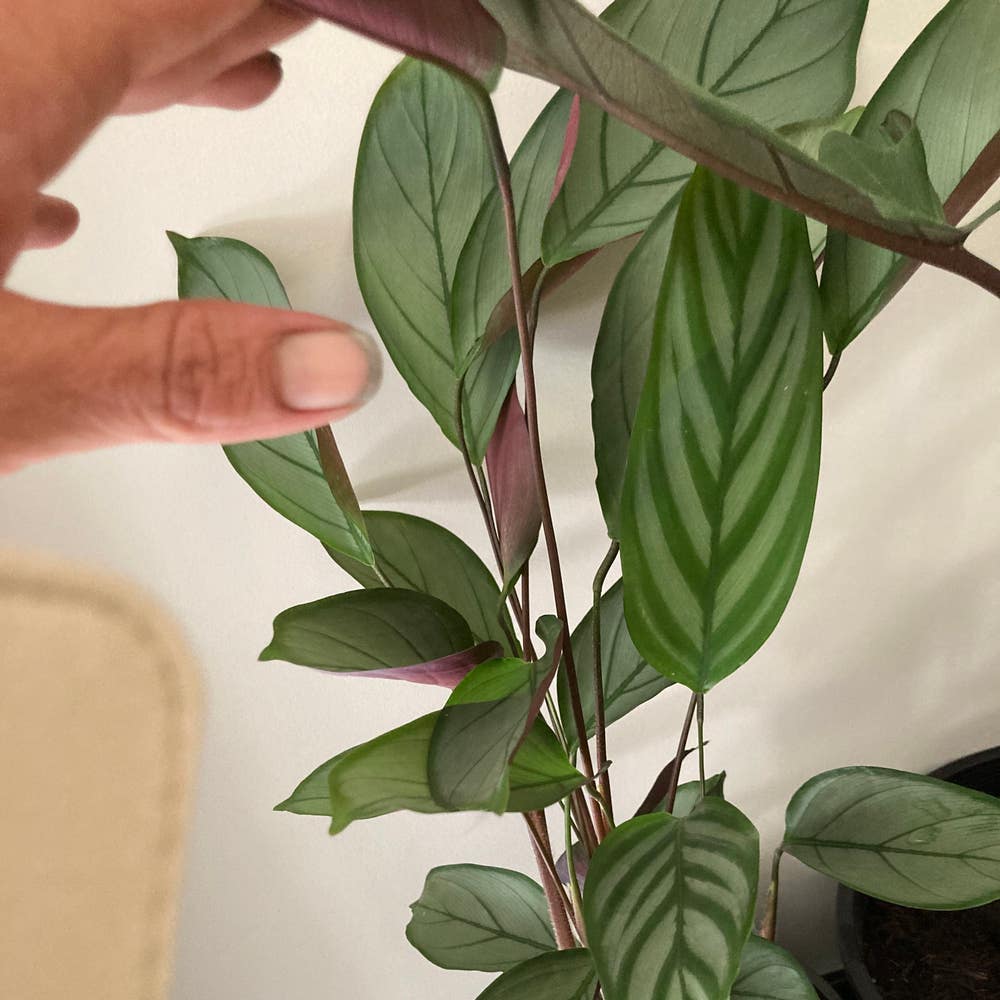
Choosing Fertilizer For My Never Never Plant
Ctenanthe oppenheimiana
By the Greg Editorial Team
Jun 17, 2024•4 min read
This article was created with the help of AI so we can cover more plants for you. May contain errors. See one? Report it here.
Nurture a thriving Never Never Plant 🌿 with the perfect fertilizer choice—bloom success starts here!
- NPK & micronutrients are key for Never Never Plant health.
- Adjust fertilizing with plant cycles; more in growth, less in dormancy.
- Prevent over-fertilization; yellow leaves and soil buildup are warning signs.
Picking the Perfect Fertilizer Blend
💡 Understanding NPK Ratios
Nitrogen (N), phosphorus (P), and potassium (K) form the core trio of plant nutrition. For the Never Never Plant, a balanced NPK ratio, such as 10-10-10, supports lush foliage, robust root systems, and vibrant blooms. Nitrogen fuels the green growth, phosphorus is pivotal for roots and flowers, and potassium is the plant's physiological regulator.
🍽️ Micronutrient Magic
While NPK is the headline act, micronutrients are the critical supporting cast. They're the vitamins to the NPK's carbs, fats, and proteins. Ensure your fertilizer mix includes these tiny but mighty elements. They're essential for the Never Never Plant's health, aiding in everything from disease resistance to enzyme function. Look for labels that list micronutrients like iron, manganese, and zinc to keep your plant in peak condition.

Timing is Everything: When to Fertilize
⏰ Growth and Dormancy Cycles
Adjusting fertilization to the plant's life cycle stages is crucial. During the growth phase, typically in spring and summer, your Never Never Plant is on a mission to expand its leafy empire. This is when it craves more frequent feedings. Monthly fertilization with a balanced blend supports this ambition. As autumn leaves fall and winter whispers, it's time to scale back. This dormancy period is your plant's version of hibernation; it's conserving energy, not conquering new territory.
🌱 Seasonal Fertilizing Tips
When spring's first blush spreads across the garden, it's a signal to resume your fertilizing regime. Every two to four weeks should do the trick, ensuring your plant doesn't go hungry during its growth spurt. But remember, as the days shorten and the chill sets in, your Never Never Plant's appetite wanes. Ease off the fertilizing throttle and let it rest. Water first, always, to avoid the dreaded root burn—it's like a buffer between a stiff drink and an empty stomach. Keep an eye out for new growth; it's a green light to keep the nutrients coming, even if the calendar says otherwise.

Fertilizer Application: Doing it Right
💧 Mixing it Up
To prevent your Never Never Plant from becoming a never-grow-again plant, mixing your fertilizer correctly is non-negotiable. Half-strength solutions are the way to go; think of it as a light dressing rather than a heavy sauce. Use a syringe for that surgical precision—no eyeballing here.
🌱 Root to Tip
Apply your well-mixed fertilizer to moist soil to avoid shocking the roots. Even distribution is key, so don't just dump it in one spot. If you're using granular fertilizer, sprinkle it around the base like a chef seasoning a gourmet dish, then water it in. For liquid gold, dilute as directed and apply it to the soil, not the leaves—unless you're in the mood for a foliar feeding fiesta. Remember, more is not better; it's just more, and your plant isn't running a nutrient marathon.

Recognizing and Resolving Fertilization Faux Pas
🚩 Spotting Trouble
Yellowing leaves or a crusty white buildup on the soil can be your Never Never Plant's cry for help, signaling over-fertilization. These symptoms, along with stunted growth and wilting leaves despite moist soil, are red flags. Over-fertilization symptoms often appear almost immediately after feeding your plant, so keep a keen eye out post-fertilization.
🛠️ The Recovery Plan
If your Never Never Plant is suffering from nutrient overload, stop fertilizing immediately. Remove any visible fertilizer from the soil surface to prevent further harm. For potted plants, consider leaching—flushing the soil with water to wash away excess salts. If the pot lacks drainage, it's time to get your hands dirty and repot with fresh soil. Trim away any damaged foliage to help your plant focus on recovery. Wait for about a month before reintroducing fertilizer, and when you do, make sure it's a diluted solution. Remember, patience is key; give your plant time to bounce back.
⚠️ Safety First
This content is for general information and may contain errors, omissions, or outdated details. It is not medical, veterinary advice, or an endorsement of therapeutic claims.
Always consult a qualified healthcare professional before using any plant as food, medicine, or supplement.
Never eat any plant (or feed one to pets) without confirming its identity with at least two trusted sources.
If you suspect poisoning, call Poison Control (800) 222-1222, the Pet Poison Helpline (800) 213-6680, or your local emergency service immediately.
Spotted an error? Please report it here.
Nurture your Never Never Plant to peak health by using Greg to tailor fertilization reminders 📅 based on its growth cycle and your home environment for vibrant leaves year-round!