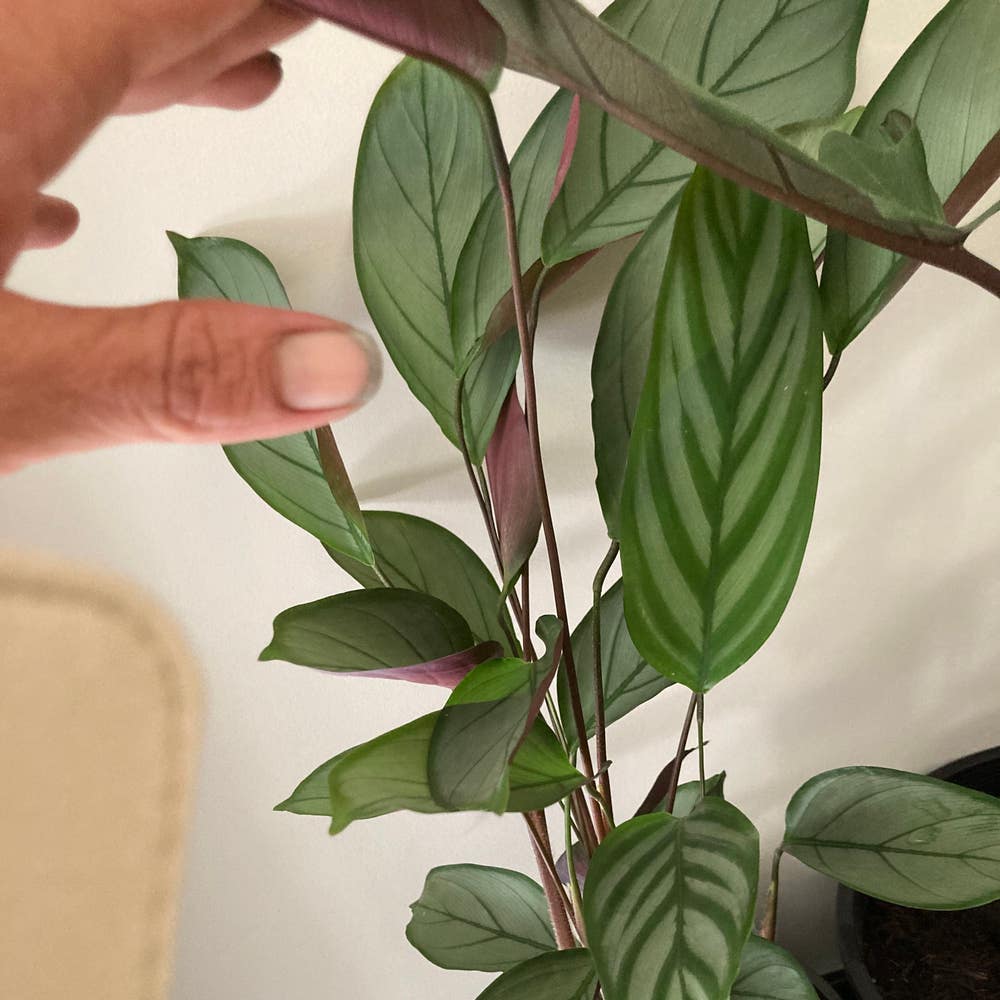
How Should Never Never Plant Be Cut Back?
Ctenanthe oppenheimiana
By the Greg Editorial Team
Jun 17, 2024•8 min read
This article was created with the help of AI so we can cover more plants for you. May contain errors. See one? Report it here.
Achieve lush, healthy growth 🌿 with precision pruning tips for your Never Never Plant.
- Prune at a 45-degree angle above a leaf node for new growth.
- Spring pruning promotes recovery, considering growth and environment.
- Use clean, sharp tools for health and aesthetic shaping.
Pruning Techniques for Never Never Plant
Pruning the Never Never Plant requires a gentle touch and an eye for detail. Unlike some plants that demand regular shaping, this species often thrives with minimal interference. Cutting angles and locations are crucial; always prune at a 45-degree angle just above a leaf node to encourage new growth.
🌿 Specific Methods
Sharp, clean shears are your best friend when pruning. Identify any dead or dying leaves and snip them at the base of the petiole. For a healthy plant, focus on removing only what's necessary to maintain its shape and vitality.
🚫 Common Mistakes
Avoid the rookie error of over-pruning; never remove more than one-third of the plant's mass in a single growing season. Also, resist the urge to top the plant to reduce height, as this can result in weak, unsightly growth. Remember, less is often more when it comes to the Never Never Plant.
✂️ Cutting Locations
When targeting specific areas, aim for older growth while sparing the young, vibrant leaves that are the future of the plant's aesthetic. Strategic cuts can help manage the plant's size without compromising its health.
🦠 Pruning Dead or Diseased Growth
Keep an eye out for any signs of disease or distress. Removing affected areas promptly can prevent further spread and safeguard the plant's overall well-being. Always clean your tools after dealing with diseased growth to avoid cross-contamination.

When to Prune Never Never Plant
Pruning a Never Never Plant isn't a frequent necessity, but timing is crucial when it's required. The plant's resilience is highest during periods of active growth, typically in the spring and summer. This is when the plant can recover most effectively from any pruning-induced stress.
🌱 Best Time of Year
Spring is the prime time for pruning. It's when the Never Never Plant kicks into its growth spurt, making it the ideal moment to shape it up without causing undue harm. Pruning in the fall or winter is a no-go; the plant's growth slows down, and any fresh cuts could lead to damage from the cold.
🌿 Growth Stage Considerations
Keep an eye on the growth stage. If you're seeing new leaves and stems, it's a sign the plant is in an active growth phase and can handle a trim. This is also the best time to propagate by division or stem cuttings, should you want to multiply your green bounty.
🌍 Environmental Factors
Your Never Never Plant's environment plays a role too. Ensure it's not under any stress from factors like low temperatures or inadequate humidity before you bring out the shears. A stressed plant is a vulnerable plant, and pruning could just add to its woes.
Remember, the Never Never Plant often thrives with minimal interference. So, unless you're dealing with dead or diseased foliage, let it do its thing. It's a bit like a cat in that way—independent and better off without too much fussing.

Tools for Pruning Never Never Plant
💇 Essential Pruning Tools
To keep your Never Never Plant in top shape, sharp and clean pruning shears are non-negotiable. For delicate snips, consider precision pruners or micro-tip snips that allow for meticulous cuts without damaging nearby stems.
🧼 Keeping Tools in Check
Sanitization is key to preventing disease spread. Wipe your blades with alcohol or a bleach solution between cuts, especially when moving between plants. It's not just about being clean; it's about keeping your green friends alive and well.
🔧 Maintenance Matters
Your tools are only as good as their condition. Regularly sharpen blades to ensure clean cuts that heal quickly, reducing the risk of disease. Oil moving parts to keep them functioning smoothly because nothing's worse than a sticky situation mid-prune.
🛠 Tool Selection Tips
When in doubt, opt for ergonomic handles to prevent fatigue. And hey, if you're dealing with thicker branches, bypass loppers might just become your new best friend. Remember, using the right tool isn't just a suggestion—it's a game-changer for your plant's health.

Pruning for Aesthetic Appeal
Pruning is not just about health; it's an art that enhances your Never Never Plant's visual charm. Shape is key. To encourage a lush, full appearance, selectively trim leggy stems. This promotes denser foliage, giving your plant a more robust presence.
🌿 Achieving Symmetry
Rotate your plant periodically to ensure even light exposure, which naturally encourages balanced growth. If one side becomes too dominant, prune it back to even out the overall shape.
✂️ Encouraging Fullness
Pinch back the tips of new growth to stimulate branching. This technique results in a bushier plant, preventing a sparse or scraggly look.
🌱 Strategic Pruning
Identify any dead or dying leaves and snip them at the base. This not only cleans up the plant's appearance but redirects energy to healthier growth.
Remember, the goal is to make it look like you haven't pruned at all. Your Never Never Plant should maintain its natural form, just tidier and more vibrant.
Pruning for Plant Health
Pruning isn't just about keeping your Never Never Plant looking sharp—it's a vital health check. By snipping away the dead or diseased bits, you're like a surgeon removing what could fester and harm the whole plant. Targeted pruning is your go-to strategy for a robust, thriving plant.
🎯 Strategies for Targeted Pruning
- Identify and remove any parts of the plant that are dead, dying, or diseased.
- Cut back any branches or leaves that show signs of infection to prevent it from spreading.
🛡️ Preventing Disease Spread
- Sanitize your tools before and after use to avoid introducing new diseases.
- Inspect regularly for any signs of ill health, and act swiftly to remove affected areas.
🌱 Encouraging Healthy Growth
- Prune strategically to promote air circulation and light penetration, which can reduce disease risk.
- Thin out dense areas where humidity can build up and pathogens can thrive.
🚫 Avoiding Common Mistakes
- Never leave stubs; they're like open doors for pests and diseases.
- Be mindful of the branch collar to ensure proper healing.
Remember, pruning is not just about making cuts—it's about making the right cuts. It's a mix of art and science, with a dash of intuition. Keep your Never Never Plant healthy, and it'll reward you with lush growth and maybe even a knowing wink for your efforts.
Common Challenges in Pruning Never Never Plant
Pruning the Never Never Plant, while not often necessary, can sometimes feel like a high-stakes game of botanical surgery. Here's how to avoid turning your green gem into a gardening gaffe.
🌿 Overzealous Cutting
Less is more when it comes to pruning this plant. Avoid the temptation to over-prune; snipping more than necessary can stress your Never Never Plant. Stick to removing only the dead or dying leaves at the base of the petiole.
🕰 Timing Troubles
Timing is everything. Pruning during the plant's dormant phase can lead to fewer stress-induced issues. Refrain from pruning in late summer or autumn to prevent the plant from entering winter in a weakened state.
🐜 Pest and Disease Prevention
Keep your eyes peeled for unwelcome guests like mealybugs and spider mites. Pruning can inadvertently spread these pests if you're not careful. Always sanitize your tools before and after use to keep your plant healthy and happy.
💧 Watering Woes
Post-pruning care is crucial. Don't drown your sorrows—and your plant—by overwatering after a trim. Let the top of the soil dry out between waterings to minimize the risk of diseases like root rot.
🔪 The Right Tools
Using the wrong tools can turn a simple trim into a plant's nightmare. Ensure you have sharp, clean shears that will make clean cuts without crushing the plant's delicate tissues.
🚫 Avoiding Topping
Never top your Never Never Plant. This aggressive pruning method can cause weak, unsightly growth and turn your plant into a hot mess. Instead, focus on thinning cuts to maintain the plant's natural shape.
Remember, when it comes to pruning the Never Never Plant, it's not about the quantity of the cuts but the quality of each strategic snip.
Aftercare Following Pruning
After the snip-snip dance with your Never Never Plant, it's time to help it bounce back. Water it right after pruning; this is like a soothing balm for its freshly cut wounds. But hold off on the fertilizer; it's not dinner time yet. Give it a week or two before you introduce any nutrients to avoid overwhelming your green friend.
💧 Post-Pruning Hydration
Keep it hydrated, but don't drown it. Stick to the usual watering schedule, ensuring the soil is moist but not soggy. Overwatering is a no-no—think of it as offering a drink, not a swim.
👀 Monitoring and Pest Control
Eyes peeled—watch for any signs of distress. Yellowing leaves? Wilting? Time to play detective and figure out what's up. And keep an eye out for uninvited guests; pests love a good plant buffet. If you spot trouble, go for the organic pest control artillery.
🧹 Cleanup and Disease Prevention
Clean up the clippings. Leftover plant bits are like a "Kick Me" sign inviting diseases and pests. A clean base is a happy base.
🌍 Environmental Considerations
Finally, consider the environment. If your Never Never Plant is throwing a fit because of the cold, think about moving it to a warmer spot or offering some protection. It's like giving it a warm blanket on a chilly night.
Remember, pruning isn't just a haircut; it's a whole spa treatment. Treat your plant with care, and it'll thank you with lush, vibrant growth.
⚠️ Safety First
This content is for general information and may contain errors, omissions, or outdated details. It is not medical, veterinary advice, or an endorsement of therapeutic claims.
Always consult a qualified healthcare professional before using any plant as food, medicine, or supplement.
Never eat any plant (or feed one to pets) without confirming its identity with at least two trusted sources.
If you suspect poisoning, call Poison Control (800) 222-1222, the Pet Poison Helpline (800) 213-6680, or your local emergency service immediately.
Spotted an error? Please report it here.
Prune your Never Never Plant to perfection 🌿 with Greg's timely reminders and tailored care tips, ensuring a lush and healthy growth season.