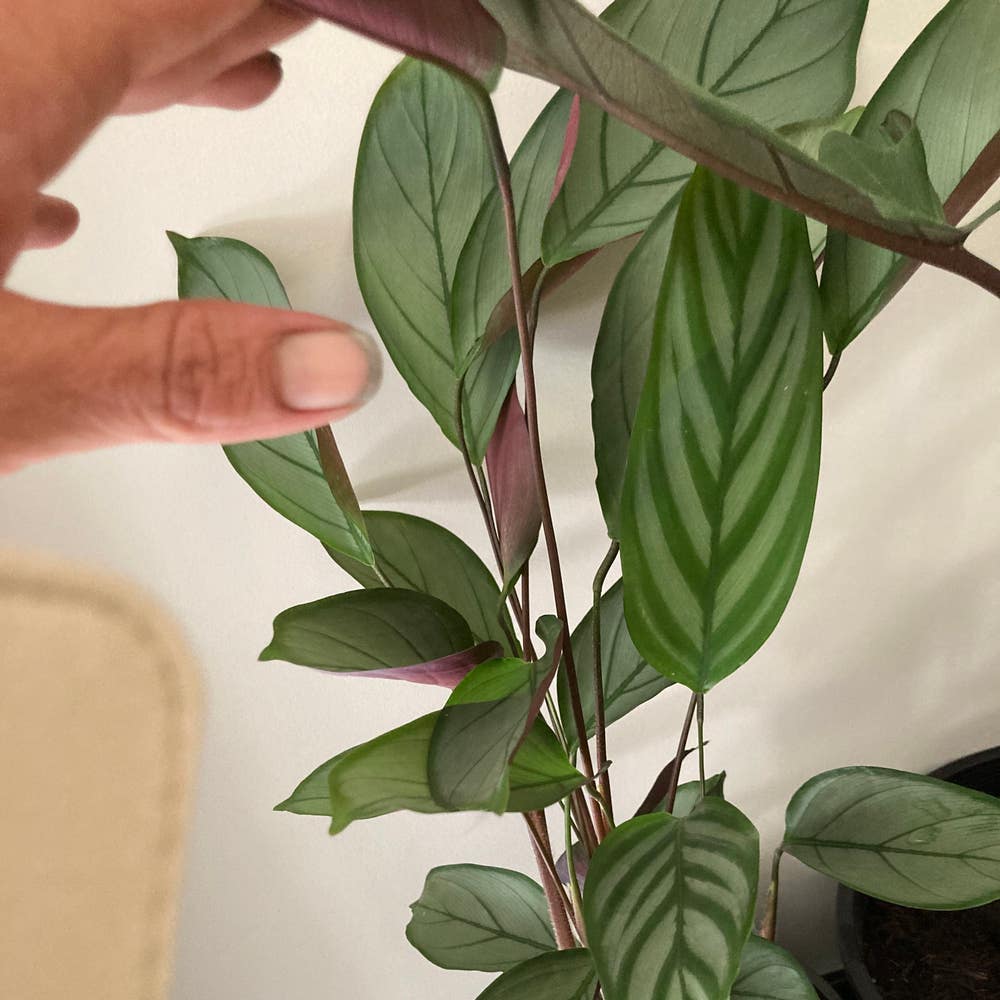
Never Never Plant Roots 101
Ctenanthe oppenheimiana
By the Greg Editorial Team
Oct 02, 2024•6 min read
This article was created with the help of AI so we can cover more plants for you. May contain errors. See one? Report it here.
Master fibrous root care for thriving plants and unlock your gardening potential! 🌱🌿
- 🌱 Fibrous roots enhance nutrient absorption, thriving in various growth conditions.
- 🌍 Loose, well-draining soil is crucial for healthy fibrous root systems.
- 🚰 Prevent overwatering by allowing top soil to dry out between waterings.
Root System Type
Characteristics of Fibrous Roots 🌱
Fibrous roots form a dense network of thin, branching roots that spread out near the soil surface. This structure allows plants to efficiently absorb nutrients and water, making them particularly advantageous for growth.
The benefits of fibrous roots extend beyond nutrient uptake; they also provide stability to the plant. Unlike taproots, which grow deep into the soil, fibrous roots create a wide base that helps anchor the plant, especially in loose or sandy soils.
When comparing fibrous roots to other root types, such as taproots or adventitious roots, the differences become clear. Taproots penetrate deep into the ground, seeking moisture, while fibrous roots thrive in the top layers of soil, maximizing access to surface nutrients. This unique feature makes fibrous roots particularly effective in various environmental conditions.
Understanding the characteristics of fibrous roots is essential for successful gardening and plant care. By recognizing their advantages, you can make informed choices about watering, soil type, and overall plant health.
As we delve deeper into root systems, the next section will explore root depth and spread, shedding light on how these factors influence plant care.
Root Depth and Spread
Typical Depth and Spread 🌱
The average root depth for fibrous roots ranges from 6 to 12 inches. These roots can spread out significantly, extending up to 2 feet in diameter.
Growth Patterns and Care Implications 🌿
This shallow but wide root system has important implications for watering and soil choice. It thrives in loose, well-draining soil, making it sensitive to compaction and drainage issues.
Maintaining the right soil conditions is crucial. A compacted soil can hinder root growth and nutrient uptake, leading to unhealthy plants.
To ensure optimal growth, regularly check your soil's texture and drainage. Keeping the soil loose not only supports root health but also enhances overall plant vitality.
Watering, Fertilizing, and Transplanting
💧 Impact on Watering Frequency and Methods
Proper watering is crucial for the health of your fibrous root system. Aim to let the top inch of soil dry out between waterings to prevent overwatering.
Signs of overwatering include yellowing leaves and mushy roots. If you notice these symptoms, it’s time to reassess your watering habits.
🌱 Fertilizing Considerations
Fertilizing is essential during the growing season. Use a balanced liquid fertilizer to provide your plants with the nutrients they need.
Apply fertilizer every 4-6 weeks, adjusting based on the health of your roots. Healthy roots will absorb nutrients more effectively, promoting robust growth.
🌼 Best Practices for Transplanting
Timing is key when it comes to transplanting. The best time to move your plants is in the spring or early summer, when they are actively growing.
Step-by-Step Transplanting Guide
- Prepare a new pot with fresh, well-draining soil.
- Gently remove the plant from its current pot, taking care not to damage the roots.
- Place the plant in the new pot, ensuring the roots are spread out.
- Water thoroughly after transplanting to help settle the soil.
Transplanting can be moderately challenging, but with the right approach, your plants will thrive in their new environment.
As you care for your plants, keep an eye on their watering and fertilizing needs. This will set the stage for addressing common root-related issues next.
Common Root-Related Issues
Identifying Root Rot and Causes 🌱
Root rot can sneak up on even the most diligent plant parents. Look for symptoms like wilting, yellowing leaves, and a foul odor emanating from the soil.
The usual suspects behind root rot include overwatering, poor drainage, and compacted soil. These conditions create a perfect storm for roots to suffocate and decay.
Solutions for Prevention and Treatment 🛠️
Preventing root rot starts with ensuring proper drainage. Use well-draining soil and keep a close eye on your watering habits.
If you find yourself facing root rot, don’t panic. Start by removing the affected roots, then repot the plant in fresh soil. Adjust your watering schedule to prevent future issues.
By staying proactive, you can keep your plants thriving and avoid the pitfalls of root-related problems.
Healthy vs. Unhealthy Roots
🌱 Visual Cues for Healthy Roots
Healthy roots are a gardener's pride. They should feel firm to the touch, displaying a white or light tan color, and emit minimal odor.
These characteristics are crucial for overall plant vitality. Strong roots support nutrient uptake and stability, ensuring your plant thrives.
🚨 Indicators of Unhealthy Roots and Corrective Measures
Unhealthy roots tell a different story. Look for dark, mushy textures or foul-smelling odors as clear signs of distress.
To address these issues, start by pruning any damaged roots. Improving soil drainage and adjusting your watering frequency can also make a significant difference.
Taking these steps not only revives your plant but also enhances its resilience for the future.
With a keen eye on root health, you can ensure your plants flourish. Next, let’s explore rootbound plants and how to manage them effectively.
Rootbound Plants
Definition and Signs 🌱
Rootbound plants are those whose roots have outgrown their containers. You’ll notice roots circling the pot, which can lead to stunted growth and even water pooling on the surface.
Look for visual indicators like roots emerging from drainage holes or compacted soil. These signs suggest your plant is in distress and needs immediate attention.
Addressing Rootbound Issues 🔧
To remedy rootbound conditions, repotting into a larger container is essential. Gently loosen the circling roots to encourage healthy growth.
Timing is crucial; intervene when you notice growth slowing or any signs of distress. This proactive approach can rejuvenate your plant and promote vibrant health.
With these steps, you can ensure your plant thrives in its new environment. Next, let’s explore the importance of root health in propagation and division.
Propagation and Division
Importance of Root Health 🌱
Healthy roots are crucial for successful propagation and division. They ensure that new plants can thrive, absorbing nutrients and water effectively.
Maintaining root integrity during this process is vital. It minimizes stress on the plant and promotes quicker recovery and growth.
Step-by-Step Guide for Dividing ✂️
Choose a healthy, mature plant for division. This ensures that each new section has the potential to thrive.
Carefully remove the plant from its pot. Gently loosen the soil around the roots to avoid damage.
Gently separate the root ball into sections. Make sure each section has both roots and leaves for the best chance of survival.
Replant each section in its own pot with fresh soil. This gives them room to grow and access fresh nutrients.
Water thoroughly and place in a suitable environment. Ensure they have adequate light and warmth to encourage growth.
Dividing plants can be a rewarding experience, but it does come with its challenges. With practice, you’ll become more confident in your ability to propagate successfully.
As you nurture your new plants, remember that healthy roots are the foundation of thriving greenery. Next, let’s explore common root-related issues and how to tackle them effectively.
⚠️ Safety First
This content is for general information and may contain errors, omissions, or outdated details. It is not medical, veterinary advice, or an endorsement of therapeutic claims.
Always consult a qualified healthcare professional before using any plant as food, medicine, or supplement.
Never eat any plant (or feed one to pets) without confirming its identity with at least two trusted sources.
If you suspect poisoning, call Poison Control (800) 222-1222, the Pet Poison Helpline (800) 213-6680, or your local emergency service immediately.
Spotted an error? Please report it here.
Unlock the secret to thriving roots 🌿 with Greg's tailored watering reminders and expert care tips, ensuring your plants flourish like never before!