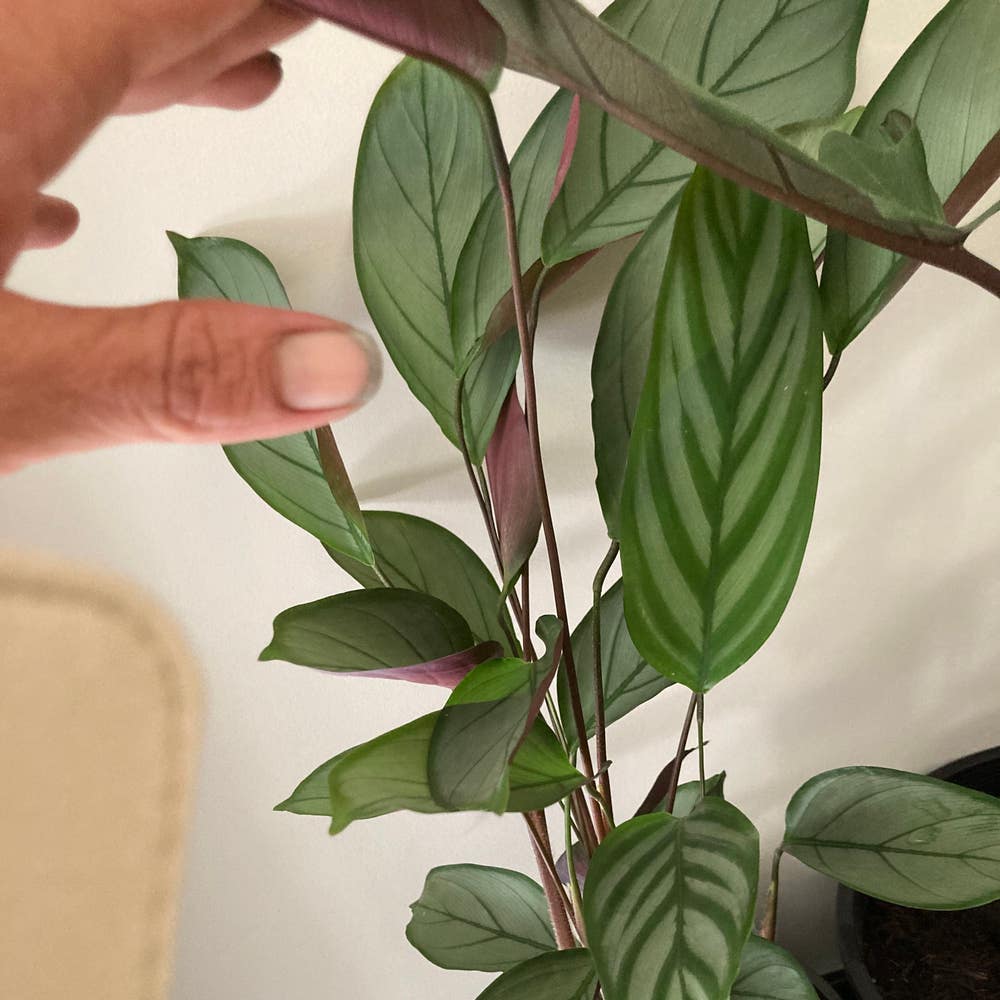
🧚 7 Quick Fixes for Never Never Plant Bloom Problems
Ctenanthe oppenheimiana
By the Greg Editorial Team
Oct 02, 2024•5 min read
This article was created with the help of AI so we can cover more plants for you. May contain errors. See one? Report it here.
Transform your Never Never plant into a blooming beauty 🌼 by tackling common issues that hold it back!
- 🌞 Never Never plants need 6-8 hours of bright, indirect sunlight for blooming success.
- 🌱 Key nutrients like phosphorus and potassium are essential; yellow leaves signal deficiencies.
- 💧 Consistent soil moisture prevents stress from overwatering or underwatering, promoting healthy blooms.
Common Causes of Failure to Bloom
💡 Insufficient Light Requirements
Bright, indirect sunlight is crucial for your Never Never plant to thrive. Aim for 6-8 hours of this light daily; otherwise, you might notice stunted growth and a lack of flower buds.
🍽️ Nutritional Deficiencies
Phosphorus and potassium are key nutrients that support blooming. If your plant's leaves are yellowing and flower development is poor, it may be time to reassess its nutritional intake.
🌪️ Environmental Stress Factors
Overwatering can lead to root rot, putting your plant under stress. Conversely, underwatering results in wilting and reduced vigor, both of which can hinder blooming.
🐛 Plant Stress Factors
Pest infestations, such as aphids or spider mites, can weaken your plant significantly. Additionally, fungal infections may also be present, further complicating its ability to bloom.
Understanding these common causes can help you take the necessary steps to encourage your Never Never plant to flourish. Next, we’ll explore solutions for premature flower drop, ensuring your plant reaches its full blooming potential.
Solutions for Premature Flower Drop
🌱 Identifying Causes of Bud Drop
Premature flower drop can be frustrating, especially when you’ve nurtured your plant with care. Common triggers include sudden temperature changes and inadequate humidity, both of which can stress your plant and lead to dropping buds before they even have a chance to bloom.
🛠️ Mitigation Strategies
To combat these issues, consider the following strategies:
Maintain Consistent Temperature: Aim for a temperature range of 20°C to 30°C (68°F to 86°F). This stability helps your plant feel secure and encourages blooming.
Increase Humidity: A humidifier can work wonders, or you can place pebble trays filled with water near your plant. This added moisture creates a more favorable environment for flower development.
Monitor Watering Practices: Consistent soil moisture is key. Ensure your plant is neither overwatered nor underwatered to avoid stress that could lead to bud drop.
By implementing these strategies, you can create a nurturing environment that encourages your plant to thrive and bloom beautifully. Next, let’s explore how to address abnormal flower development, ensuring your plant reaches its full potential.
Addressing Abnormal Flower Development
Common Abnormalities 🌼
Abnormal flower development can be frustrating for any plant enthusiast. Deformed flowers often stem from nutrient imbalances or environmental stress, leading to blooms that just don’t look right.
Color changes in flowers can also signal underlying issues. If your blooms are fading or changing hues unexpectedly, it might be time to investigate your light and soil conditions.
Solutions for Abnormal Development 💪
To tackle these issues, start by adjusting light exposure. Ensure your plant receives the right amount of indirect sunlight to encourage healthy flowering.
Next, consider your fertilization strategy. Using a balanced fertilizer high in phosphorus can significantly boost flower quality and development.
Finally, regular monitoring is crucial. Keep an eye out for pests and diseases that could compromise your plant's health and flowering potential. Catching these problems early can make all the difference in achieving vibrant blooms.
By addressing these abnormalities proactively, you can foster a thriving plant that rewards you with beautiful flowers. Now, let’s explore some preventative measures to keep your plant blooming beautifully.
Diagnosing Flowering Issues
🌱 Signs of Nutritional Deficiencies
Nutritional deficiencies can significantly impact your plant's blooming potential. Common symptoms include yellowing leaves and poor flower production, signaling that your plant may be lacking essential nutrients.
To get to the root of the problem, consider testing your soil. A soil test kit can help you assess nutrient levels and determine if your plant is missing vital elements like phosphorus or potassium.
🌪️ Identifying Environmental Stressors
Environmental stressors can also hinder flowering. Keep an eye out for signs like wilting, discoloration, or stunted growth, which may indicate that your plant is struggling.
Common stressors include temperature fluctuations and pest infestations. If your plant is experiencing these issues, it may be time to adjust its environment for better health.
💡 Assessing Light Conditions
Light conditions play a crucial role in a plant's ability to bloom. Evaluate your plant's light exposure to ensure it receives adequate indirect sunlight, ideally for 6-8 hours daily.
If your plant shows signs of inadequate light, consider adjusting its placement. Moving it to a brighter location can make a significant difference in its blooming potential.
By diagnosing these issues early, you can take proactive steps to ensure your plant thrives. Next, let’s explore preventative measures for healthy blooming to keep your plant in top shape.
Preventative Measures for Healthy Blooming
🌞 Best Practices for Light Exposure
To encourage your Never Never Plant to bloom, positioning is key. Aim for bright, indirect sunlight for at least 6-8 hours daily.
Regularly rotating your plant can also make a significant difference. This ensures that all sides receive equal light, promoting balanced growth.
🌱 Fertilization Schedule for Flowering
Consistent feeding is essential for vibrant blooms. Establish a regular fertilization schedule to support your plant's nutritional needs.
Opt for a bloom-specific fertilizer during the growing season. This targeted approach helps maximize flower production and overall health.
✂️ Pruning Strategies to Promote Bud Development
Regular maintenance through pruning can stimulate new growth and flowering. Trim back any dead or overgrown branches to encourage fresh buds.
Adjust your pruning techniques based on the plant's growth cycle. Seasonal pruning can help optimize blooming potential and maintain plant vigor.
By implementing these preventative measures, you can create an environment that fosters healthy blooming. Next, let’s explore how to diagnose flowering issues effectively.
⚠️ Safety First
This content is for general information and may contain errors, omissions, or outdated details. It is not medical, veterinary advice, or an endorsement of therapeutic claims.
Always consult a qualified healthcare professional before using any plant as food, medicine, or supplement.
Never eat any plant (or feed one to pets) without confirming its identity with at least two trusted sources.
If you suspect poisoning, call Poison Control (800) 222-1222, the Pet Poison Helpline (800) 213-6680, or your local emergency service immediately.
Spotted an error? Please report it here.
Create the perfect blooming environment 🌱 for your Never Never plant with Greg's tailored tips and reminders, ensuring it thrives with the right light, nutrients, and care!