Ultimate Guide to What's Eating Your Splendid Albizia 🐛
Albizia splendens
By the Greg Editorial Team
Sep 29, 2024•7 min read
This article was created with the help of AI so we can cover more plants for you. May contain errors. See one? Report it here.
- 🌳 Splendid Albizia supports wildlife with nutritious fruits and sweet nectar.
- 🦌 Common herbivores like deer and rabbits can damage young trees but aid in seed dispersal.
- 🛡️ Effective deterrents include repellents, barriers, and companion planting for protection.
Description and Appeal
Appearance 🌸
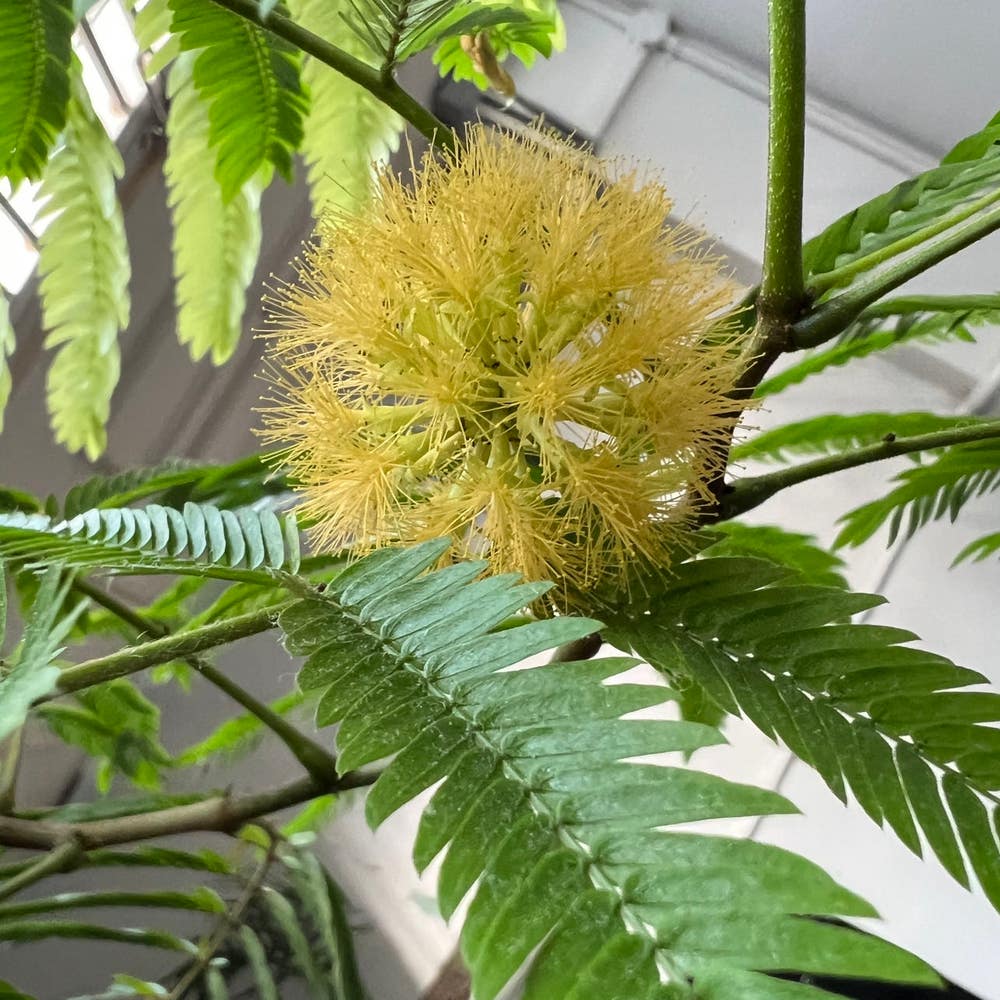
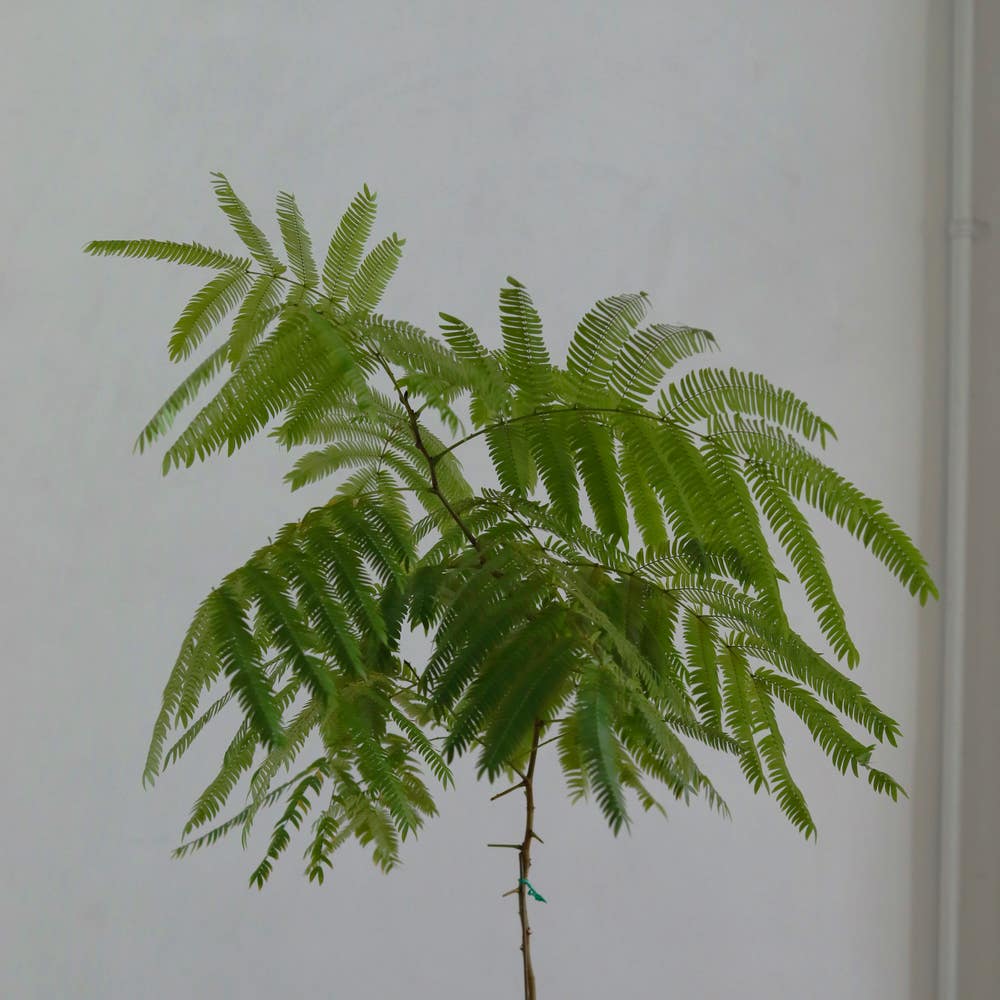
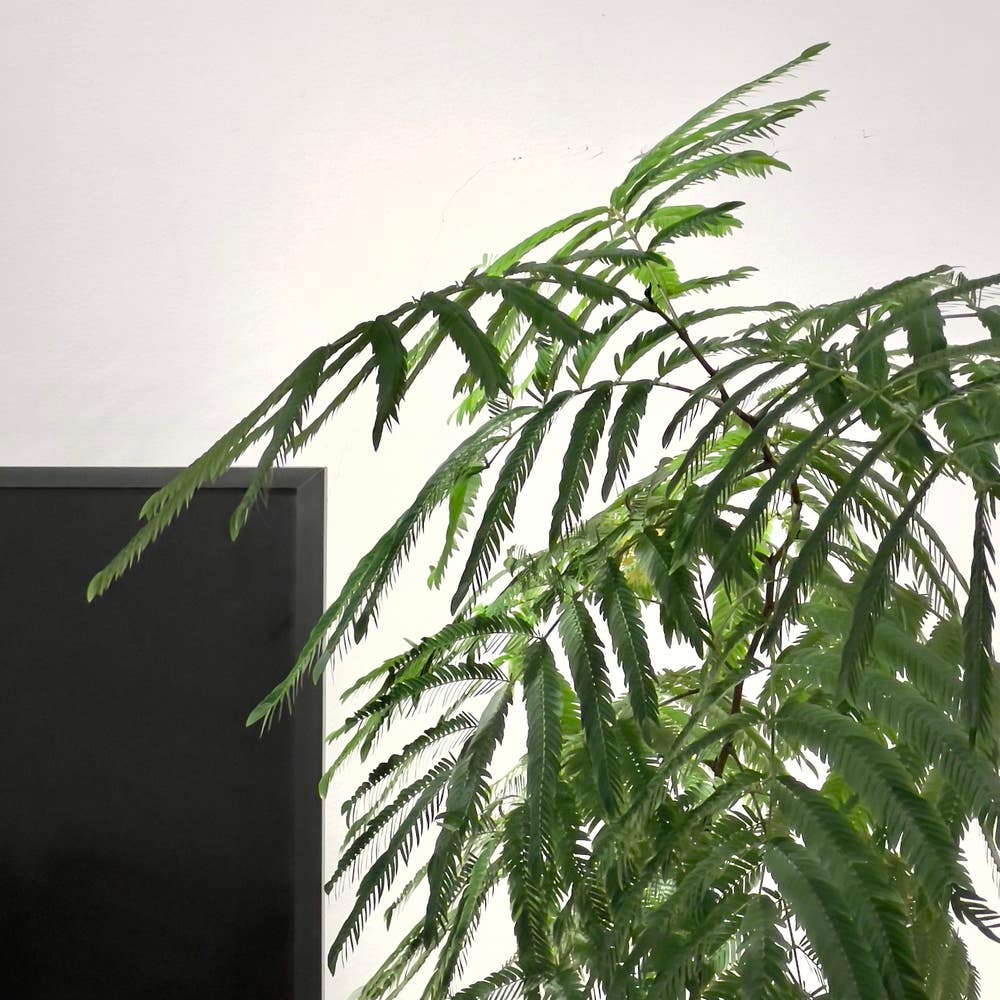
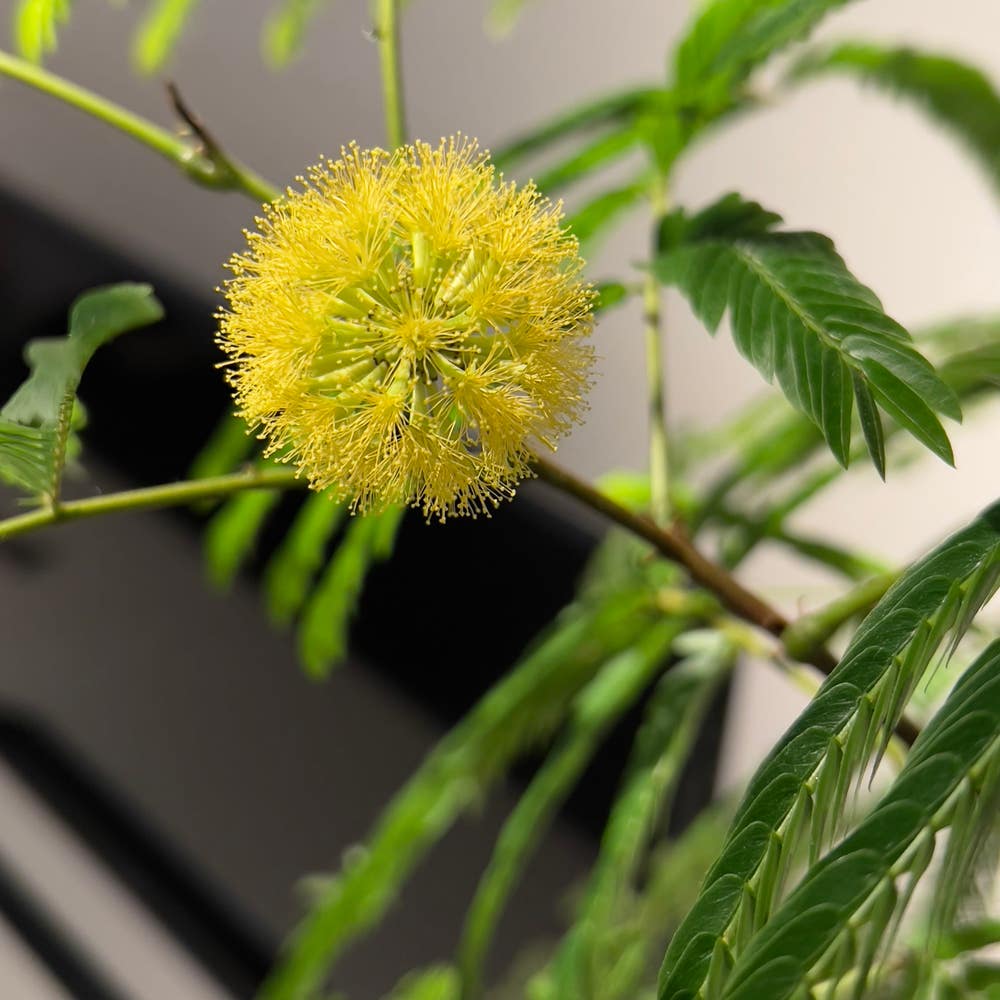
The splendid Albizia is a striking deciduous tree, typically reaching heights of 20 to 40 feet. Its feathery pink flowers and fern-like leaves create a visually stunning display, especially during the summer months.
In fall, the tree undergoes a seasonal transformation, dropping its leaves and preparing for dormancy. This cycle not only enhances its beauty but also adds interest to any landscape throughout the year.
Most Appealing Parts to Animals 🐾
Albizia's fruits, in the form of tender seed pods, are a nutritious treat for various animals. These pods are not only soft but also packed with essential nutrients, making them highly sought after.
The tree's flowers produce sweet nectar, attracting a variety of pollinators and herbivores. Additionally, the young shoots are soft and palatable, often favored by many herbivores looking for a tasty snack.
In summary, the splendid Albizia is not just a beautiful addition to gardens; it also plays a vital role in supporting local wildlife. Understanding its appeal can help gardeners appreciate its value in the ecosystem.
Next, we will explore the common herbivores that interact with this magnificent tree.
Common Herbivores
🦌 Deer
Signs of Presence and Damage
Look for hoof prints in muddy areas, which indicate deer activity. They often browse on leaves and young shoots, leading to stunted growth in your splendid Albizia.
Interaction Assessment
Deer can be generally harmful, especially to young trees and saplings. However, they also contribute to seed dispersal through their droppings, which can aid in plant propagation.
Deterrent Methods (difficulty: moderate)
To deter deer, consider using commercial deer repellents. Alternatively, plant deer-resistant species nearby or use human hair and soap shavings as organic deterrents.
🐇 Rabbits
Signs of Presence and Damage
Rabbits leave small, round droppings and gnaw marks on stems. Their chewing on young shoots and bark can lead to girdling, which severely damages the plants.
Interaction Assessment
Rabbits are generally harmful, as they can inflict significant damage on young plants. On the flip side, they serve as prey for larger predators, helping maintain ecological balance.
Deterrent Methods (difficulty: easy)
Bitter-tasting sprays can be effective against rabbits. For a more organic approach, consider fencing that is 2-3 feet high and planting rabbit-repelling herbs.
🐿️ Squirrels
Signs of Presence and Damage
Look for chewed bark and scattered seed pods as signs of squirrel activity. Their bark stripping and seed pod consumption can negatively affect plant health.
Interaction Assessment
Squirrels are generally harmful, as they can weaken trees by damaging the bark. Yet, they also aid in seed dispersal, contributing to plant propagation.
Deterrent Methods (difficulty: moderate)
Commercial squirrel repellents can help keep these critters at bay. You can also install squirrel baffles on tree trunks or use cayenne pepper as an organic deterrent.
🐦 Birds
Signs of Presence and Damage
Feathered visitors and peck marks on seed pods indicate bird activity. They consume seeds and flowers, which can reduce seed set in your Albizia.
Interaction Assessment
Birds are generally beneficial, as they assist in pollination and seed dispersal. However, overconsumption of seeds can limit plant reproduction.
Deterrent Methods (difficulty: easy)
Non-toxic bird repellents can be effective in managing bird populations. Additionally, scare tactics like reflective tape or decoys can help deter them.
🐭 Rodents
Signs of Presence and Damage
Look for burrows and gnaw marks on roots and stems as signs of rodent activity. Their root damage can lead to plant stress and potential death.
Interaction Assessment
Rodents are generally harmful, causing significant plant damage. However, they also serve as prey for predators, contributing to the food web.
Deterrent Methods (difficulty: moderate)
Rodent bait stations can be used as a chemical deterrent. For a more organic solution, traps and natural repellents like peppermint oil can be effective.
🦡 Groundhogs/Woodchucks
Signs of Presence and Damage
Large burrows and clipped plants are clear signs of groundhog activity. They extensively feed on young shoots and roots, leading to plant decline.
Interaction Assessment
Groundhogs are generally harmful, as they can devastate young trees. However, their burrowing can aerate the soil, providing some ecological benefits.
Deterrent Methods (difficulty: hard)
Commercial groundhog repellents can help manage their presence. For a more organic approach, consider fencing that is 3-4 feet high and planting deterrent plants nearby.
Understanding these common herbivores and their interactions with your splendid Albizia can help you protect your trees while appreciating the role these animals play in the ecosystem. Next, we’ll explore the beneficial animals that contribute positively to your garden's health.
Beneficial Animals and Ecosystem Impact
🐝 Description of Beneficial Animals
Pollinators like bees and butterflies flock to the splendid Albizia's vibrant flowers. Their role is crucial, as they facilitate the reproduction of many plants while enjoying the sweet nectar.
Birds and small mammals also contribute significantly as seed dispersers. They help propagate the Albizia by spreading seeds across various locations, promoting new growth.
🌍 Positive Impacts on the Ecosystem
These beneficial animals enhance biodiversity, creating a balanced ecosystem. Their interactions support various life forms, ensuring a thriving environment.
Additionally, animal droppings enrich soil health. This organic matter boosts nutrient levels, fostering robust plant growth and a healthier ecosystem overall.
Understanding these relationships is vital for appreciating the intricate web of life surrounding the Albizia. By recognizing the importance of these beneficial animals, we can better protect and nurture our natural surroundings.
Next, we’ll explore effective protection strategies to safeguard your splendid Albizia from potential threats.
Protection Strategies
🛡️ Preventive Measures
Fencing is one of the most effective ways to deter larger herbivores from munching on your splendid Albizia. Installing barriers that are at least 3-4 feet high can keep deer and groundhogs at bay.
Companion planting is another smart strategy. By surrounding your Albizia with plants that naturally repel herbivores, you create a protective buffer that can help safeguard your tree.
⚠️ Reactive Solutions
Regular monitoring is crucial for early detection of damage. Inspect your Albizia frequently for signs of herbivore activity, such as chewed leaves or tracks.
When you spot any signs of trouble, quick action is essential. Implement deterrents immediately to minimize damage and protect your tree's health.
🌱 Balancing Ecosystem Health
Understanding the roles of various animals in the ecosystem is vital. Herbivores, while sometimes harmful, also contribute to the balance of nature.
Integrated pest management combines multiple strategies for effective control. By recognizing the importance of all creatures, you can foster a healthier environment for your Albizia and the wildlife around it.
This holistic approach not only protects your tree but also enhances the overall ecosystem.
Seasonal Considerations
🐾 Variations in Animal Attraction
As the seasons change, so does the activity around your splendid Albizia. In spring, herbivores ramp up their foraging, drawn to the tender shoots that emerge after winter's chill.
By summer, the scene shifts. Pollinators like bees and butterflies flock to the vibrant blooms, creating a lively atmosphere around your tree.
⏰ Timing of Vulnerability
Young growth is particularly vulnerable in early spring. This is when herbivores are most eager to munch on fresh leaves and shoots.
As summer transitions to fall, the seed pods become the main attraction. Animals are drawn to these nutritious offerings, making late summer to fall a critical time for your Albizia's health.
Toxicity and Safety
Toxic Effects 🌿
While the splendid Albizia is a beautiful addition to any garden, it does come with some mild toxicity. Herbivores consuming large quantities may experience gastrointestinal distress, which can be concerning for both pets and wildlife.
Implications for Animal Interactions 🐾
Understanding these risks is crucial for gardeners. Educating yourself about safe plant management practices can help mitigate potential issues.
Monitoring local wildlife behavior is also essential. Keep an eye out for any adverse reactions, as this can provide valuable insights into the health of your garden ecosystem.
By being proactive, you can enjoy the beauty of your Albizia while ensuring the safety of the animals around it. This balance is key to fostering a healthy environment for all.
As we move forward, let's explore how to protect your splendid Albizia from common herbivores while maintaining a thriving ecosystem.
⚠️ Safety First
This content is for general information and may contain errors, omissions, or outdated details. It is not medical, veterinary advice, or an endorsement of therapeutic claims.
Always consult a qualified healthcare professional before using any plant as food, medicine, or supplement.
Never eat any plant (or feed one to pets) without confirming its identity with at least two trusted sources.
If you suspect poisoning, call Poison Control (800) 222-1222, the Pet Poison Helpline (800) 213-6680, or your local emergency service immediately.
Spotted an error? Please report it here.
Keep your splendid Albizia thriving 🌳 by using Greg's tailored monitoring and deterrent tips to protect it from herbivores while supporting local wildlife!