Why Are My Albizia splendens Leaves Mushy?
Albizia splendens
By the Greg Editorial Team
Jun 18, 2024•4 min read
This article was created with the help of AI so we can cover more plants for you. May contain errors. See one? Report it here.
- Overwatering leads to mushiness: Water only when top soil is dry.
- Fungal infections cause rot: Use fungicides, keep leaves dry.
- Improve drainage to prevent mush: Add perlite or coarse sand.
Spotting the Trouble: Signs Your Albizia splendens Has Mushy Leaves
👀 Visual Cues
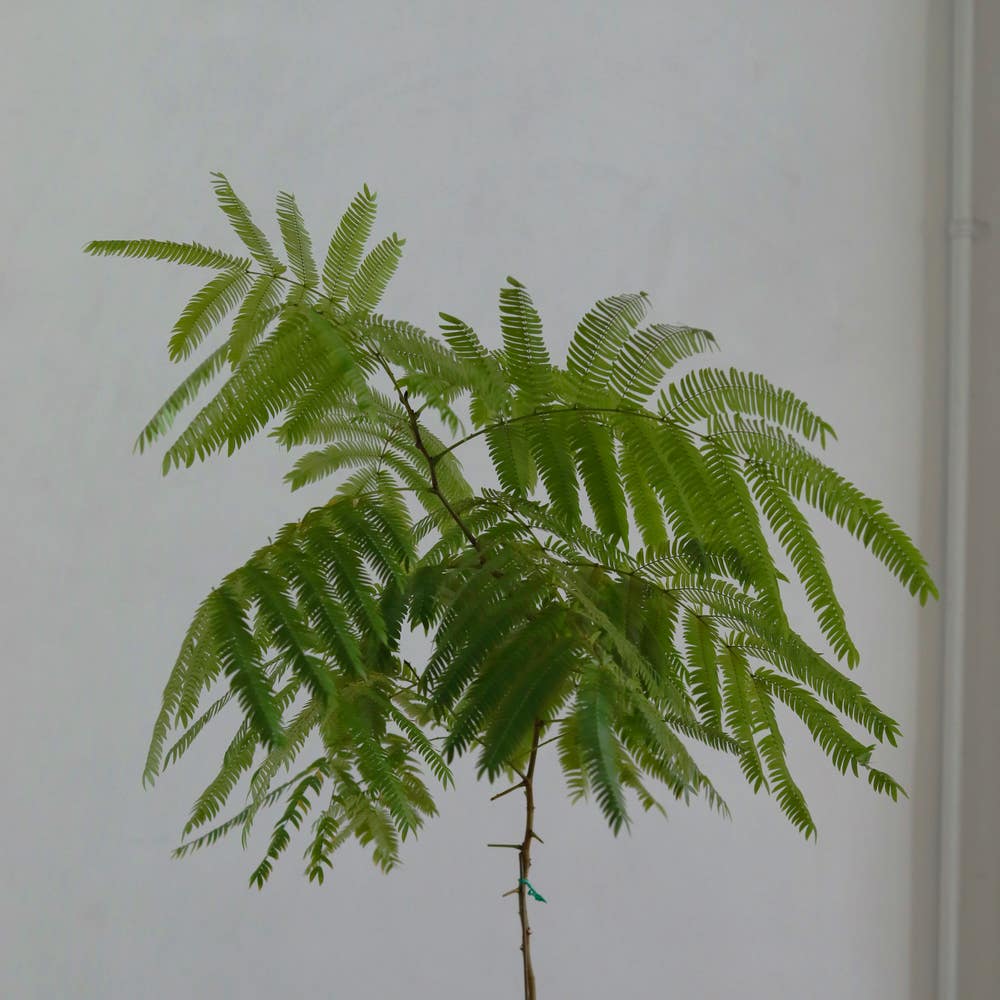
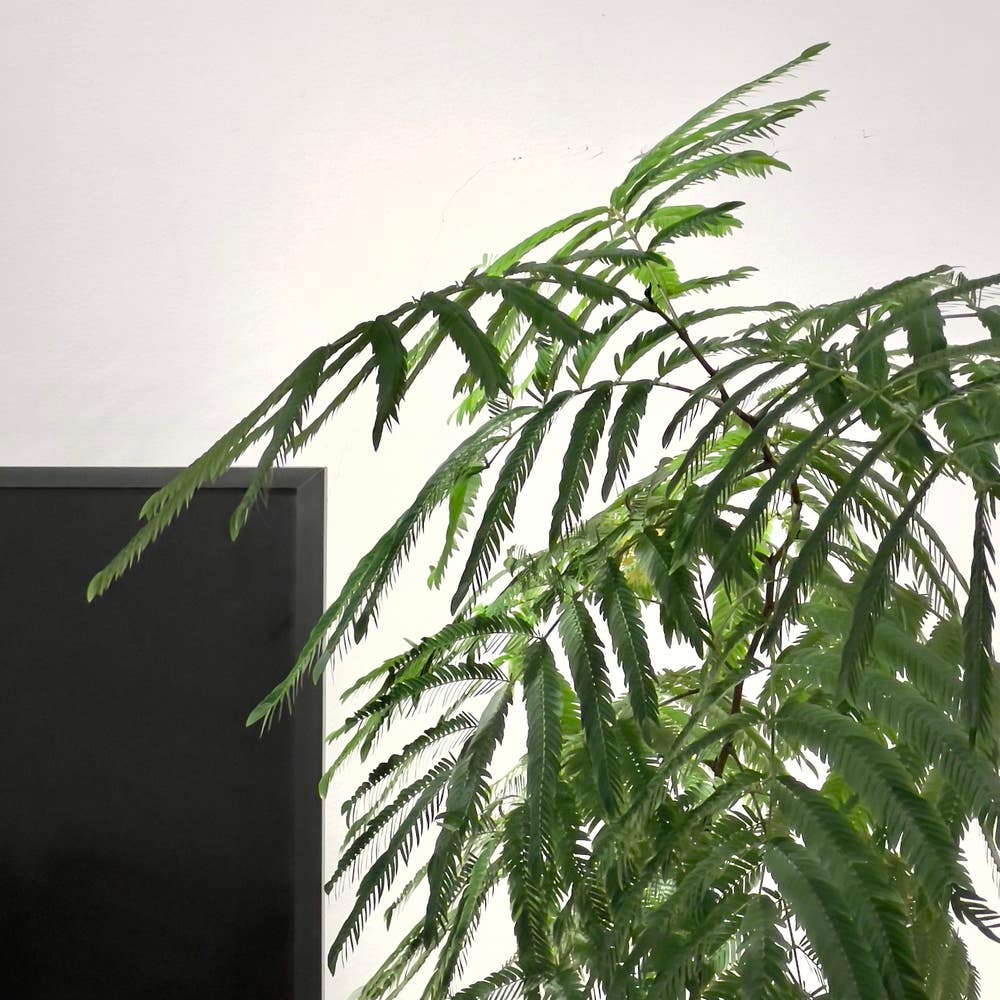
Discoloration is a dead giveaway. Your Albizia splendens should flaunt a vibrant green, not the sickly yellow or brown of a neglected houseplant. Spotting leaves that look like they've given up on life? That's your cue something's off.
✋ Touch and Texture
Healthy leaves have a certain pep to them. If your plant's leaves feel like they've been on a week-long Netflix binge—limp and lifeless—it's time for a plantervention.
⚠️ Warning Signs
Look out for the uninvited guests: pests and fungi. They're like that one friend who crashes on your couch and leaves a mess. If you see any mold partying on the soil or insects treating your plant like an all-you-can-eat buffet, it's time to show them the door. And if the roots smell worse than last week's leftovers, brace yourself for a case of root rot.

The Root of the Problem: Identifying Causes of Mushiness
💦 Overwatering Woes
Overwatering is like giving your plant an all-access pass to a water park, but guess what? Plants don't like water slides. When leaves turn as mushy as overripe bananas, it's a cry for help. Check the soil's top layer; if it sticks to your fingers like gum on a shoe, it's time to ease up on the H2O.
🍄 Fungal Foes
Next up, the party crashers: fungal infections. Brown spots on leaves or a plant that's slumping more than a teenager on a couch? Big red flags. Mushy stems are the plant's version of a white flag, signaling the dreaded root rot. If you spot roots that look more like dark, soggy noodles than healthy tendrils, it's time for an intervention.
🚰 Drainage Dilemmas
Let's talk about drainage, or the lack thereof. If your pot's drainage is worse than a clogged sink, you're setting up a pool party for pathogens. Ensure your pot has more holes than a plot in a bad mystery novel. Soil should cradle the roots, not drown them. Remember, roots need to breathe too, not swim laps.

Turning Over a New Leaf: Fixing Mushy Leaves
💧 Watering Wisdom
Adjust your watering habits if you've been a bit too generous with the H2O. Only water when the top inch of soil feels like a forgotten desert—bone dry. Use a moisture meter if you're not keen on the finger-test method. It's not just about less water; it's about the right timing.
🌱 Soil Savvy
If your soil holds water like a clingy ex, it's time for a change. Mix in perlite or coarse sand to improve drainage—think of it as giving your plant's roots room to breathe. Ensure your pot has drainage holes that aren't just for decoration; they're the escape route for excess water.
🍄 Fungal Fixes
When fungi decide to crash the party, it's time to rotate your fungicides like a DJ spins tracks. Don't stick to one; diversity is key to keeping fungi in check. And remember, prevention is better than cure—keep the leaves dry, the air moving, and embrace the occasional pruning to get rid of any mushy, unwelcome guests.

Keeping It Leafy, Not Mushy: Prevention Strategies
💧 Proactive Watering Practices
Water wisely—it's the cornerstone of plant health. Check the soil before watering; if it's dry, give it a drink. If not, let it be. Think of your plant as a friend who tells you exactly when they need a coffee—no guesswork required.
🌱 Soil and Drainage Maintenance
Drainage isn't just a detail; it's a deal-breaker. Ensure your soil is as well-draining as a colander. Consider adding organic mulch to manage moisture and give a nutrient kick as it decomposes.
🔍 Regular Health Checks
Be the Sherlock Holmes of plant care. Regularly inspect your Albizia splendens for early distress signals. Separate any sickly plants to prevent an outbreak. Remember, clean tools and pots are your allies in this botanical detective work.
⚠️ Safety First
This content is for general information and may contain errors, omissions, or outdated details. It is not medical, veterinary advice, or an endorsement of therapeutic claims.
Always consult a qualified healthcare professional before using any plant as food, medicine, or supplement.
Never eat any plant (or feed one to pets) without confirming its identity with at least two trusted sources.
If you suspect poisoning, call Poison Control (800) 222-1222, the Pet Poison Helpline (800) 213-6680, or your local emergency service immediately.
Spotted an error? Please report it here.
Revive your Albizia splendens from mushy leaves to magnificent 🍃 with Greg's custom watering reminders and community advice, ensuring your green friend thrives.