Choosing Fertilizer For My Albizia splendens
Albizia splendens
By the Greg Editorial Team
Jun 18, 2024•5 min read
This article was created with the help of AI so we can cover more plants for you. May contain errors. See one? Report it here.
- Spring and summer feeding boosts growth and blooms; less in fall/winter.
- Organic vs. synthetic: Gradual nourishment or rapid boost.
- 🌼 N-P-K ratio matters: Lower nitrogen, higher phosphorus for flowers.
Timing is Everything: When to Feed Your Albizia Splendens
🌱 Reading the Growth Cycles
Albizia splendens trees have distinct growth cycles that dictate their nutritional needs. During the active growth phase, they're like teenagers during a growth spurt—constantly hungry and in need of sustenance. This phase is typically marked by new leaves and branches. When the tree shifts into blooming mode, it's showtime, and the focus turns to supporting those vibrant flowers.
📅 Seasonal Fertilizer Schedule
🌸 Spring Awakening: Kickstarting Growth
Come spring, your Albizia splendens is stretching its limbs after a long winter nap. This is the time to pump it full of nutrients to jumpstart the season's growth. Think of it as a breakfast of champions—balanced, robust, and timely.
☀️ Summer Blooming: Maximizing Flower Power
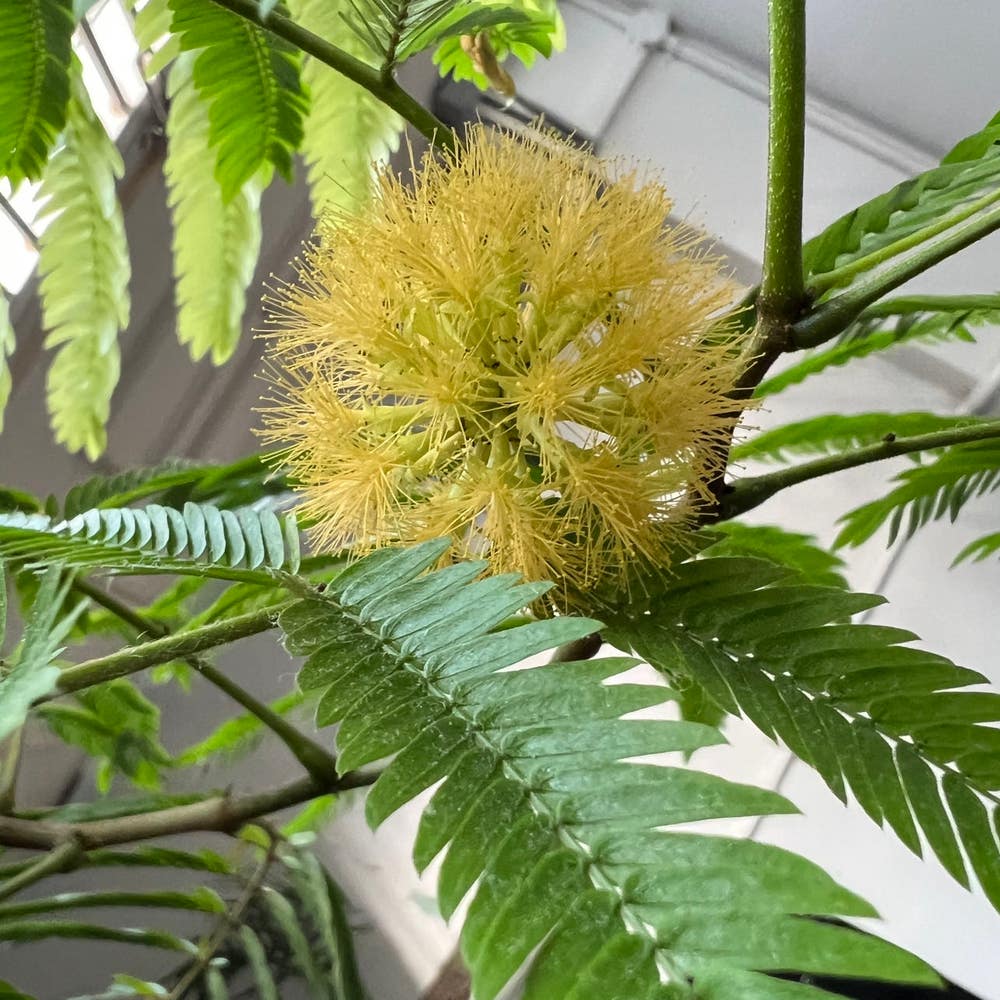
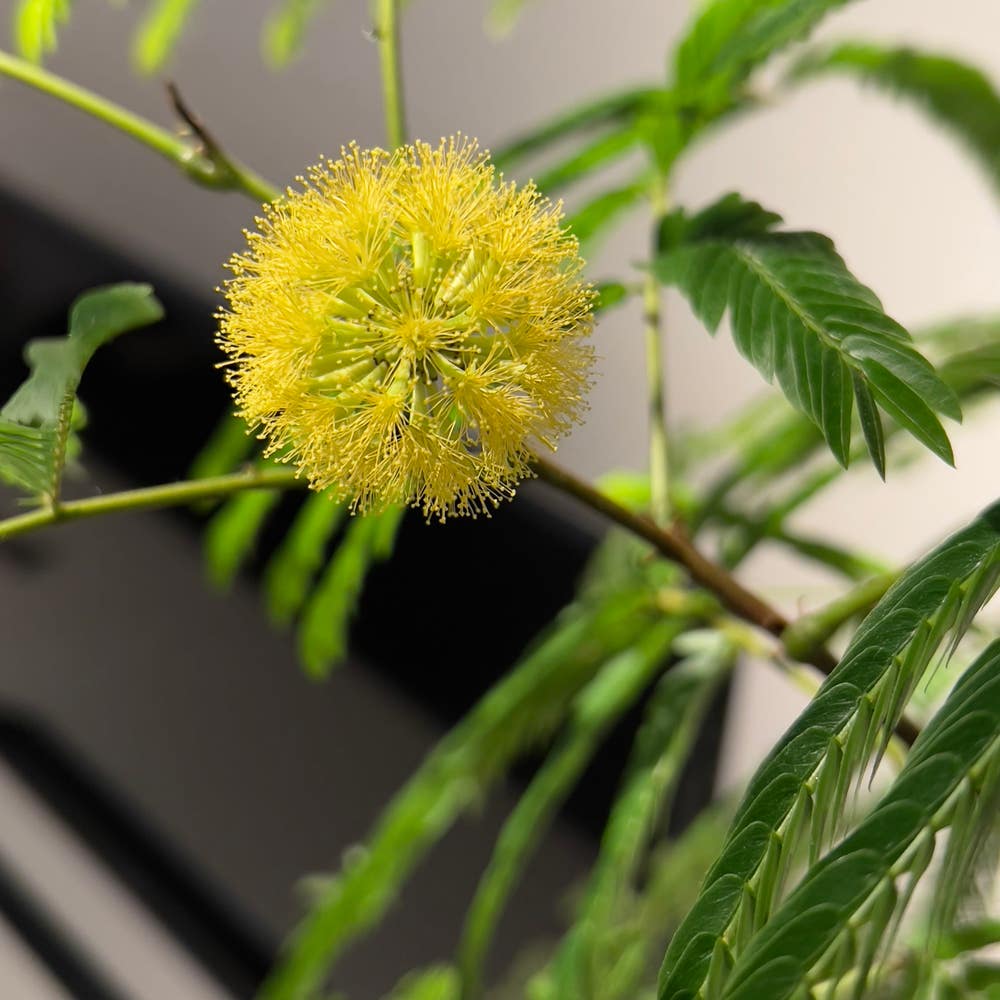
In the heat of summer, your tree is in the limelight, flaunting its floral finery. Phosphorus is the secret sauce for those blooms, so ensure your fertilizer mix is dialed in to support this glamorous phase.
❄️ Fall and Winter: Why Less is More
As the party winds down in fall, your Albizia splendens starts to take it easy. Ease up on the feeding; it's time for the tree to rest and recover. In winter, it's practically hibernating—skip the fertilizer and let it snooze in peace.

Choosing Your Weapon: Types of Fertilizers for Albizia Splendens
🌱 Organic vs. Synthetic: Pros and Cons
Organic fertilizers are the slow food movement of plant care. They release nutrients gradually, improving soil structure and fostering a healthy ecosystem below the surface. Think of them as a nutrient-rich buffet for your Albizia splendens, with added benefits like disease resistance and drought tolerance. However, they're not the quick fix you might sometimes need, and they can be pricier.
On the other side, synthetic fertilizers act like an energy drink, giving your plants a rapid boost with precision-engineered N-P-K ratios. They're cost-effective and widely available. But beware: they can lead to nutrient leaching and soil degradation over time. Plus, there's a real risk of overdoing it and burning your plant's roots.
🌸 The N-P-K Ratio: What's Best for Blooms
The N-P-K ratio is like a secret code for plant nutrition, with each number representing the percentage of nitrogen (N), phosphorus (P), and potassium (K). For Albizia splendens, you want to encourage those show-stopping blooms. A ratio with lower nitrogen and higher phosphorus is key—think something along the lines of 5-10-5. This encourages flowering without promoting excessive leaf growth.
Remember, while phosphorus is important, don't get caught up in the hype of high-phosphorus "bloom" fertilizers. Many soils already have plenty of it, and too much can be wasteful or even harmful. It's about finding the sweet spot for your specific plant and soil conditions.

Feeding Your Floral Friend: Application Techniques
🌿 Dosage and Frequency: How Much and How Often
Calculating the right amount of fertilizer for your Albizia splendens is like finding the sweet spot in a favorite recipe. Start with the guidelines on your fertilizer package, but remember, these are just a starting point. Your plant's size, soil type, and current health all play a role. A good rule of thumb is to apply less than recommended and observe how your plant responds, adjusting as needed.
Setting a fertilization calendar is not about marking dates arbitrarily. Sync it with your plant's growth cycle. During peak growing times, a monthly dose might be just the ticket. As growth slows, so should your fertilization frequency. Think of it as a seasonal rhythm, with your Albizia's needs leading the dance.
🌱 The Art of Application
Soil application gets to the root of nourishment. Scatter granules around the base of your plant, following the "less is more" principle. Then, water thoroughly to help the nutrients seep down to the roots where they're most needed. This method is a long game, building up your soil's fertility over time.
Foliar feeding is the equivalent of a quick snack for your Albizia splendens. It's a targeted approach, delivering nutrients directly to the leaves. Use it sparingly, though; it's not a full meal. Think of it as a pick-me-up during those moments when your plant looks like it could use an extra boost.

The Perils of Overindulgence: Avoiding Over-Fertilization
🚨 Spotting the Telltale Signs
Yellowing leaves may scream "help!" in the silent language of plants, indicating possible over-fertilization. If you notice a crust of fertilizer on the soil or leaf tips and margins turning brown, your Albizia splendens could be sending an SOS. Don't ignore a plant's cry for less; these are red flags that demand immediate attention.
🛠️ The Recovery Plan
To rescue your green buddy from the brink, dial back on the fertilizer. It's time to embrace the less-is-more philosophy. Flush the soil with water to leach out the excess nutrients—a plant spa day, if you will. Prune the damaged leaves; they're past the point of no return. Going forward, mark your calendar and keep a vigilant eye on your Albizia splendens. Adjust your fertilization schedule, and remember: moderation is key.
⚠️ Safety First
This content is for general information and may contain errors, omissions, or outdated details. It is not medical, veterinary advice, or an endorsement of therapeutic claims.
Always consult a qualified healthcare professional before using any plant as food, medicine, or supplement.
Never eat any plant (or feed one to pets) without confirming its identity with at least two trusted sources.
If you suspect poisoning, call Poison Control (800) 222-1222, the Pet Poison Helpline (800) 213-6680, or your local emergency service immediately.
Spotted an error? Please report it here.
Flourish your Albizia splendens 🌺 with Greg by tailoring nutrient-rich watering plans to its growth and bloom phases, ensuring a vibrant display without the over-fertilization fuss.