Light Requirements For Your Albizia splendens by Season
Albizia splendens
By the Greg Editorial Team
Jun 18, 2024•3 min read
This article was created with the help of AI so we can cover more plants for you. May contain errors. See one? Report it here.
- Full sun in spring encourages Albizia splendens growth and blooming.
- Balance sun and shade in summer; adjust indoor light seasonally.
- Use full-spectrum grow lights if natural sunlight is insufficient.
Seasonal Sunshine: Outdoor Light Needs
🌸 Spring Awakening
As spring rolls in, your Albizia splendens is eager for sun. Full sun is key to jump-start its growth after the winter slumber. Find a sunny spot, but be mindful of late frosts and provide protection if needed.
☀️ Summer Lovin' Sun Care
Summer's heat calls for a sun-shade balance. Too much direct sunlight can lead to leaf scorch, so mix in some afternoon shade. With longer days, increase watering to compensate for the extra light and heat.
🍂 Autumn Adjustments
Shorter days mean less light. Prepare your Albizia by moving it to a spot where it can soak up the autumn sun. This helps it maintain health as it heads towards dormancy.
❄️ Winter Watch
Winter light is scarce, but your dormant Albizia still needs it. Maximize sunlight exposure by placing it where light is most abundant. Shield it from harsh reflections and winter light extremes that could damage the plant.

Bringing the Sun Indoors: Indoor Light Mastery
🌞 Choosing the Right Spot
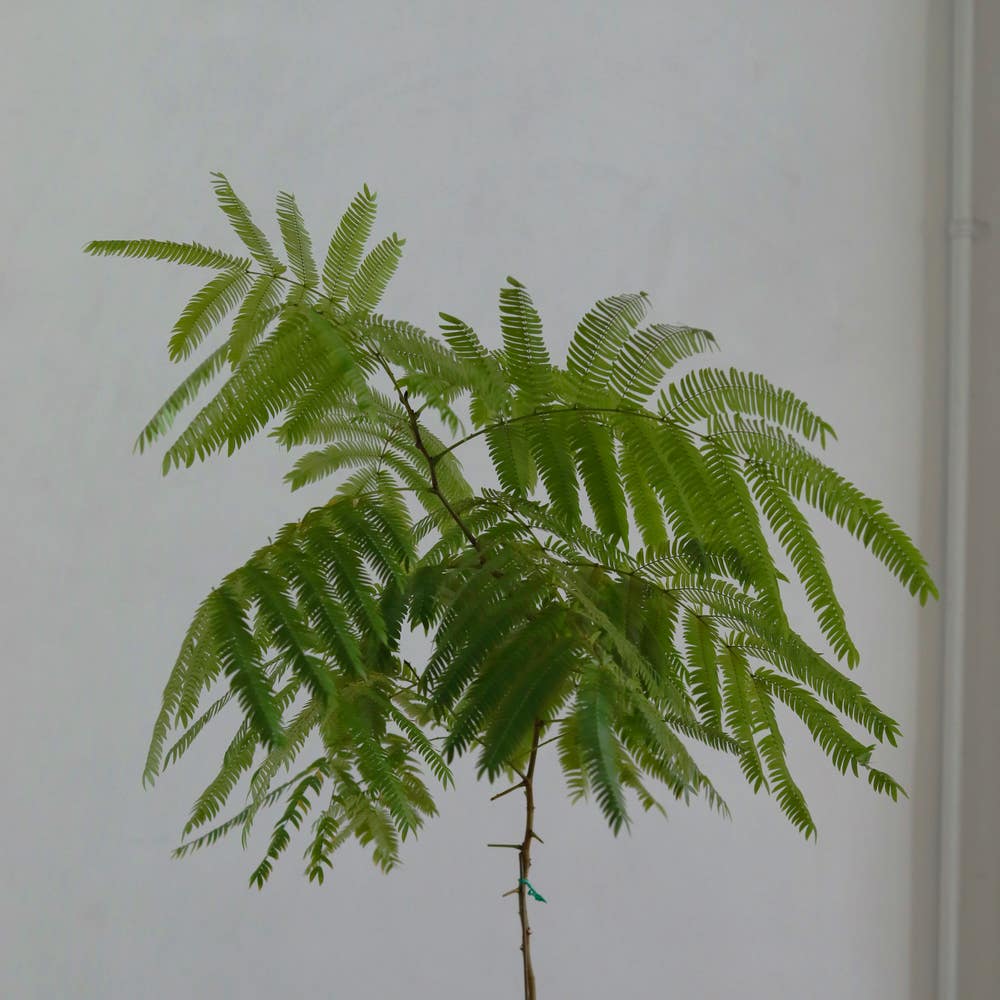
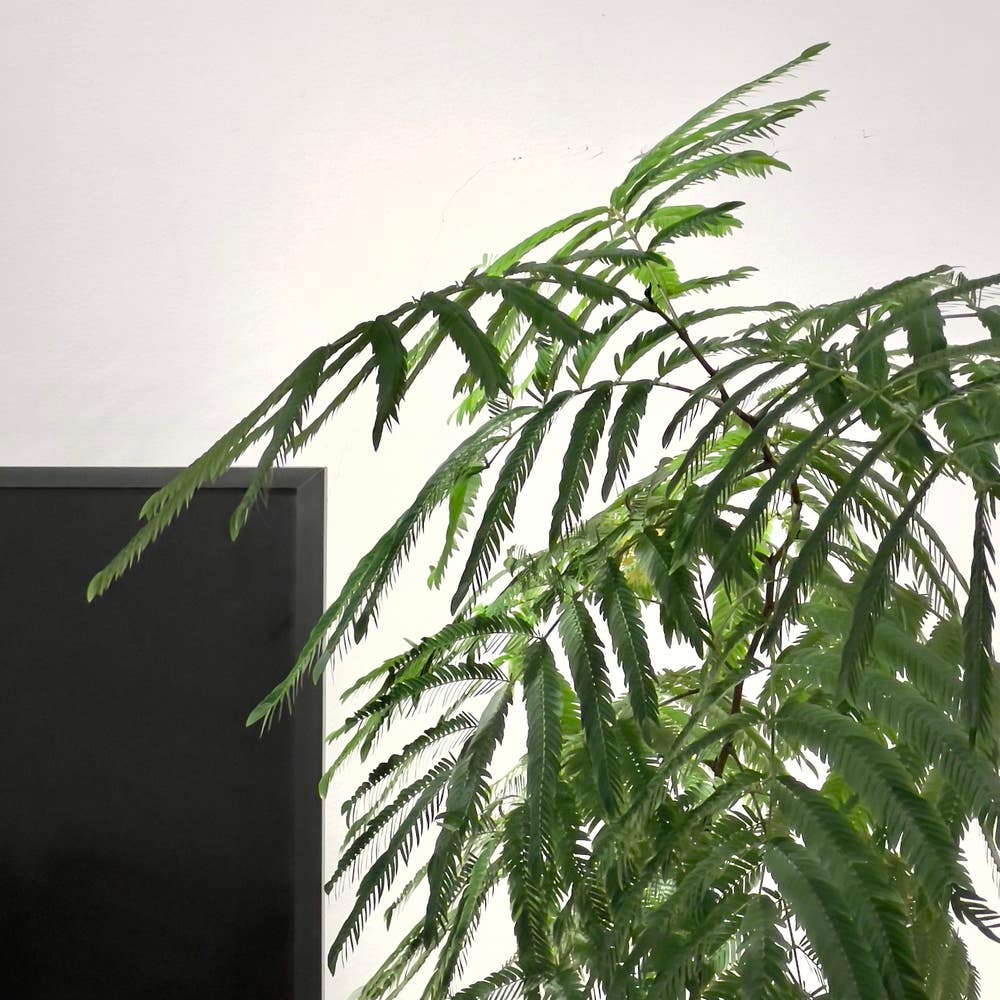
Location is everything when it comes to indoor light mastery for your Albizia splendens. To mimic the plant's natural habitat, position it near a south or southwest-facing window, where it can bask in ample sunlight. As seasons shift, so does the sun's trajectory; keep an eye out and adjust the plant's position to ensure it continues to receive the optimal amount of light.
💡 Supplementing with Grow Lights
Sometimes, even the sunniest windowsill won't cut it. That's when grow lights come into play. Consider them if your Albizia's leaves start singing the blues (figuratively, of course). Full-spectrum bulbs are your best bet, offering a buffet of wavelengths akin to sunlight. Set up these lights about a foot away from the plant to avoid scorching and use a timer to simulate a natural day-night cycle. Remember, your Albizia doesn't need a tan, just a healthy glow.

Let There Be Light: Flowering and Light Exposure
💡 Quick Insight into Light and Flowering
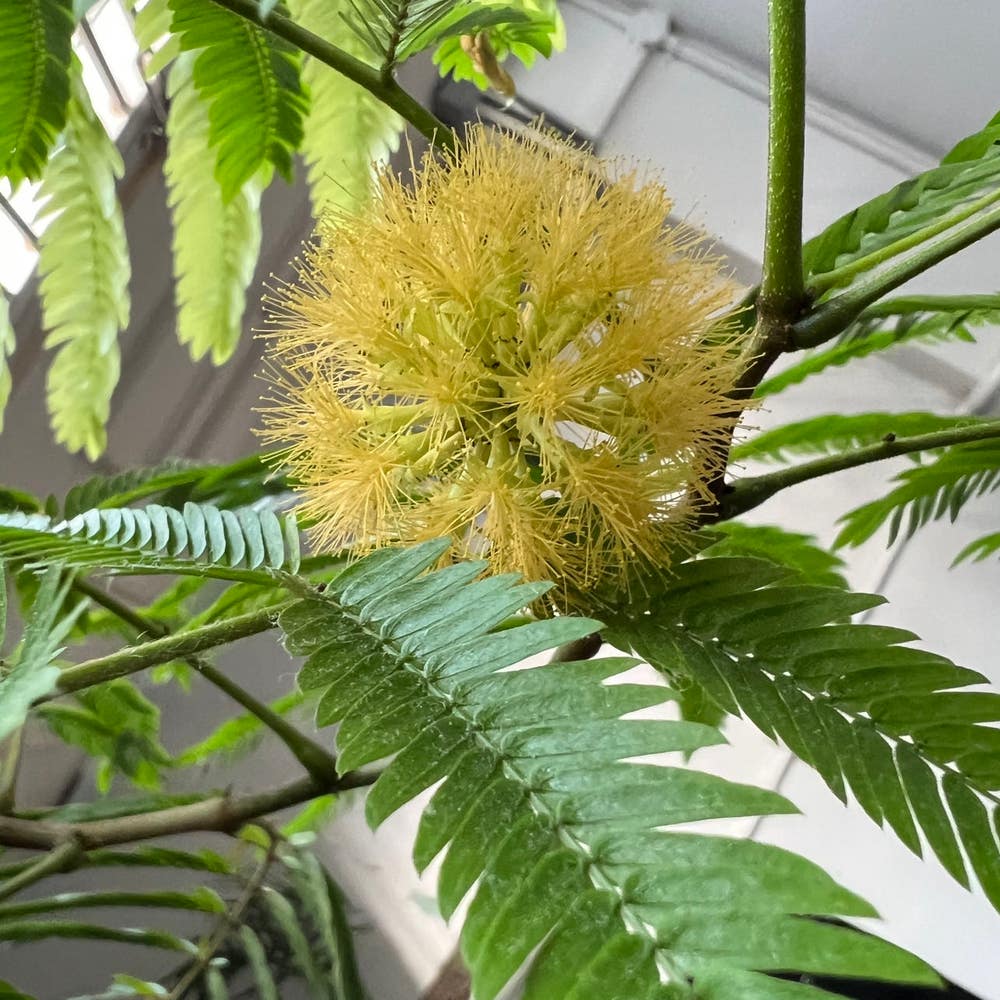
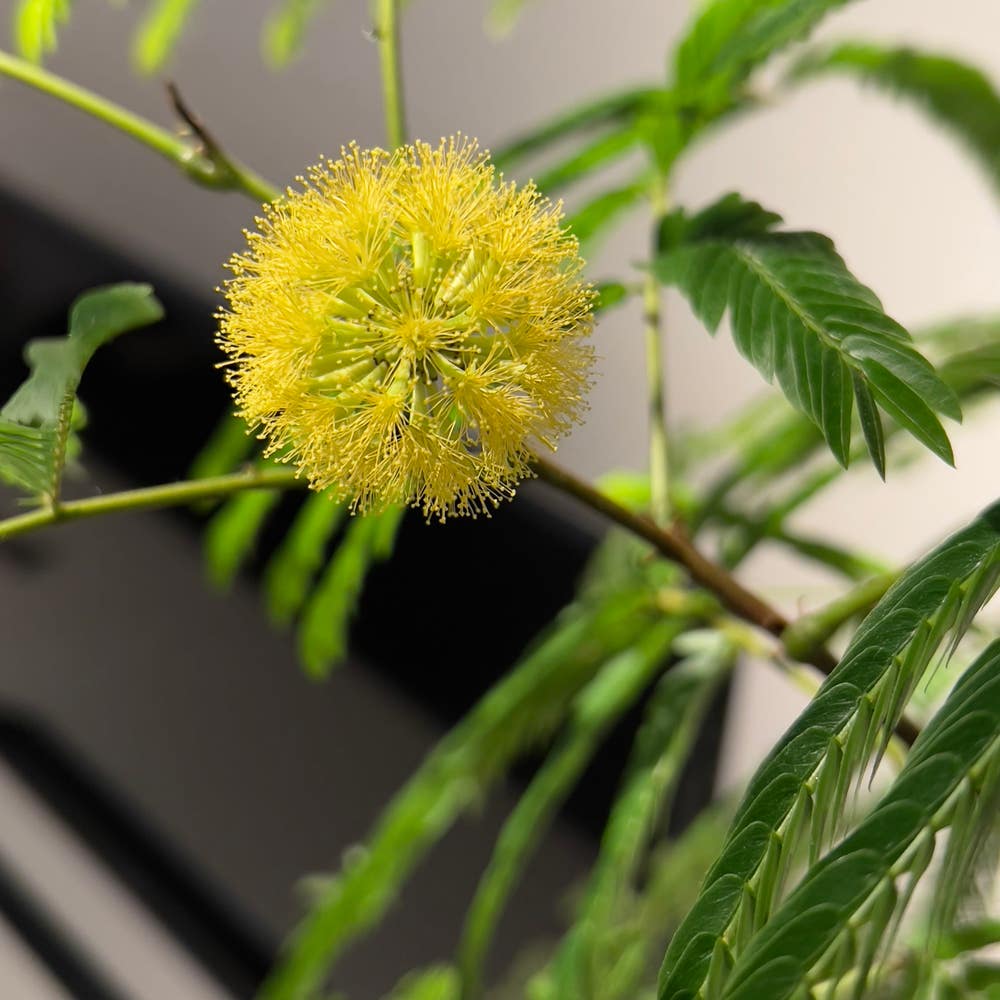
Albizia splendens isn't just a pretty face; light is its secret admirer, whispering sweet nothings that coax out those spectacular blooms. Get the light right, and it's like flipping the switch on a botanical fireworks show.
🌸 Seasonal Light Tweaks for Blooming
🌱 Spring
Come spring, your Albizia is all about that glow-up. Position it to catch those gentle rays and watch the magic unfold.
☀️ Summer
In the summer, it's a high-wire act—too much sun and your Albizia might get a sunburn. Find a spot with dappled shade and keep the soil hydrated to match the light increase.
🍂 Autumn
As the light softens in autumn, so should your approach. Think less is more; a cozy spot that catches the early sun will prep your Albizia for the grand finale.
❄️ Winter
Winter light is like that cool, distant relative—there, but not really engaging. Maximize what you've got; a south-facing window can be a game changer, offering your Albizia the best seat in the house.
🌼 Encouraging Blooms
To nudge your Albizia into the limelight, remember: it's all about the rhythm of the light. Too much? You'll stress it out. Too little? It's snoozeville. Find that Goldilocks zone of bright, indirect light, and you'll be in bloom town before you know it.

⚠️ Safety First
This content is for general information and may contain errors, omissions, or outdated details. It is not medical, veterinary advice, or an endorsement of therapeutic claims.
Always consult a qualified healthcare professional before using any plant as food, medicine, or supplement.
Never eat any plant (or feed one to pets) without confirming its identity with at least two trusted sources.
If you suspect poisoning, call Poison Control (800) 222-1222, the Pet Poison Helpline (800) 213-6680, or your local emergency service immediately.
Spotted an error? Please report it here.
Maximize your Albizia splendens' blooms 🌞 by using Greg to find the perfect sun and shade balance, ensuring your plant gets just the right light all year long.