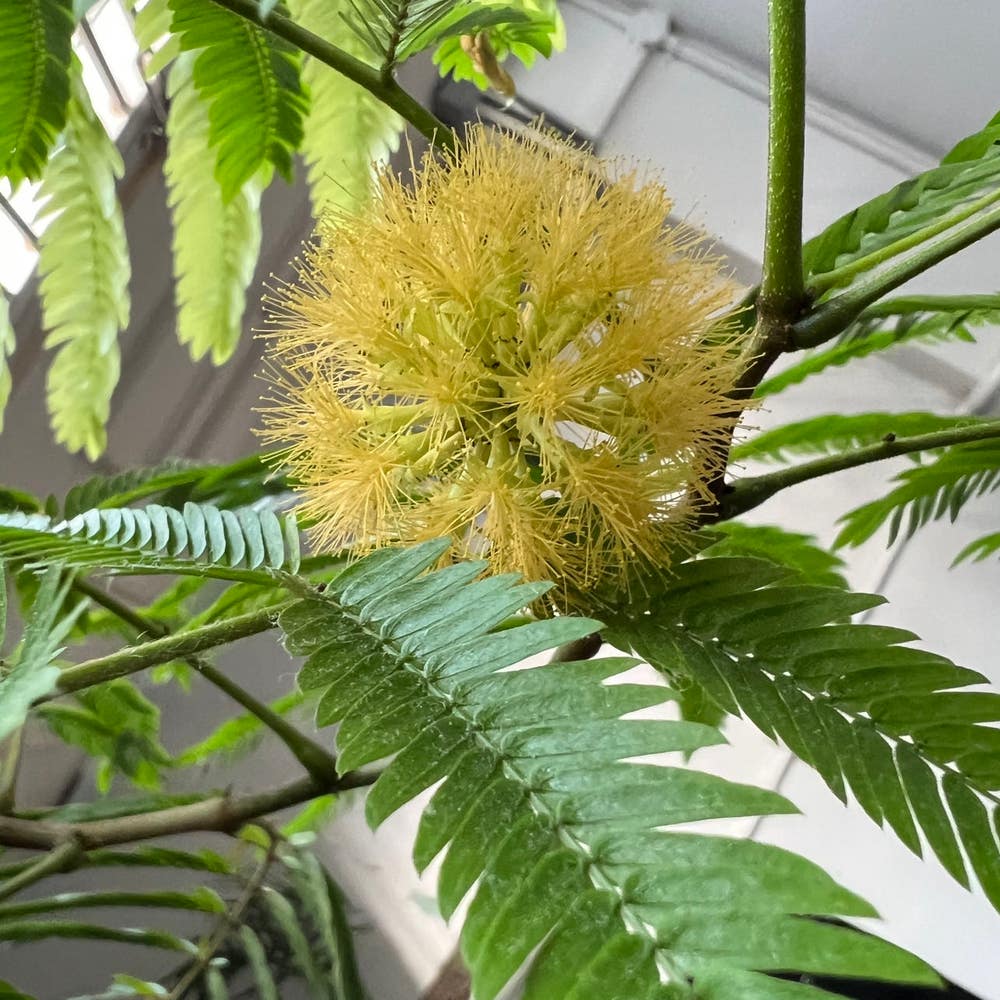
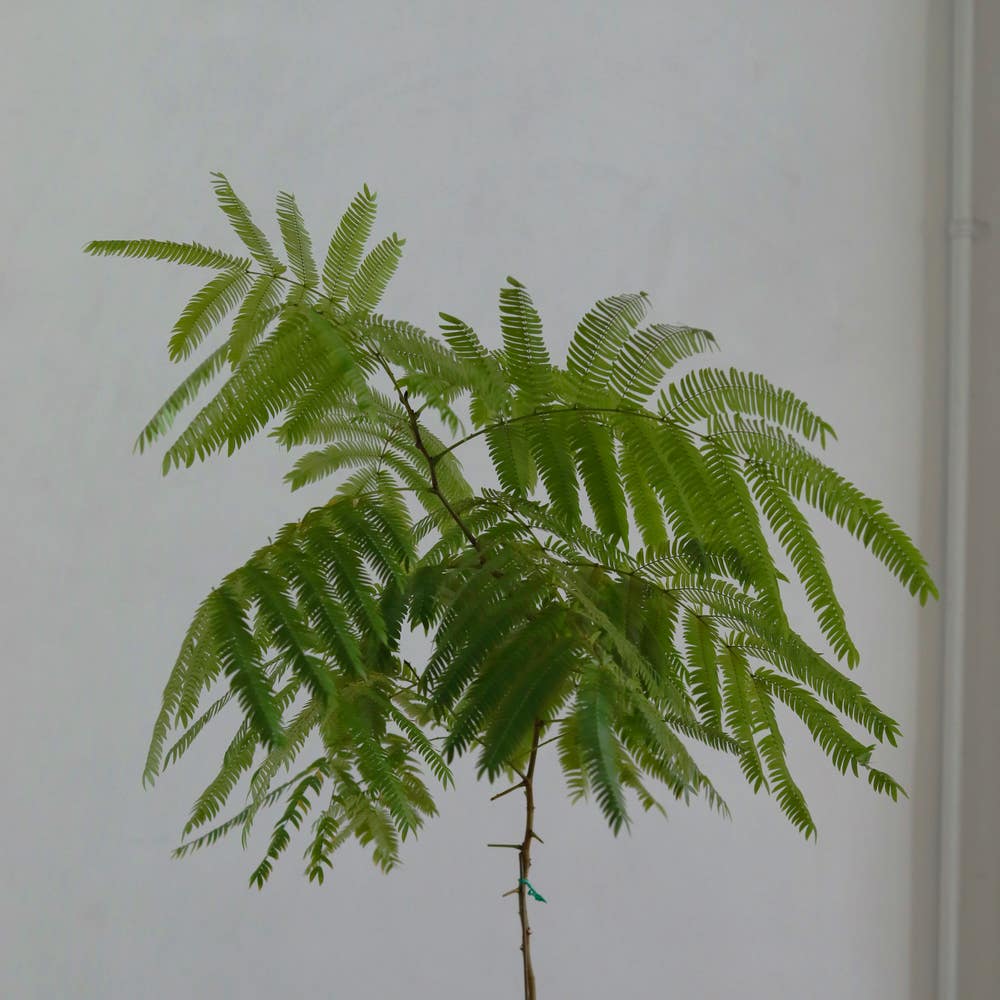
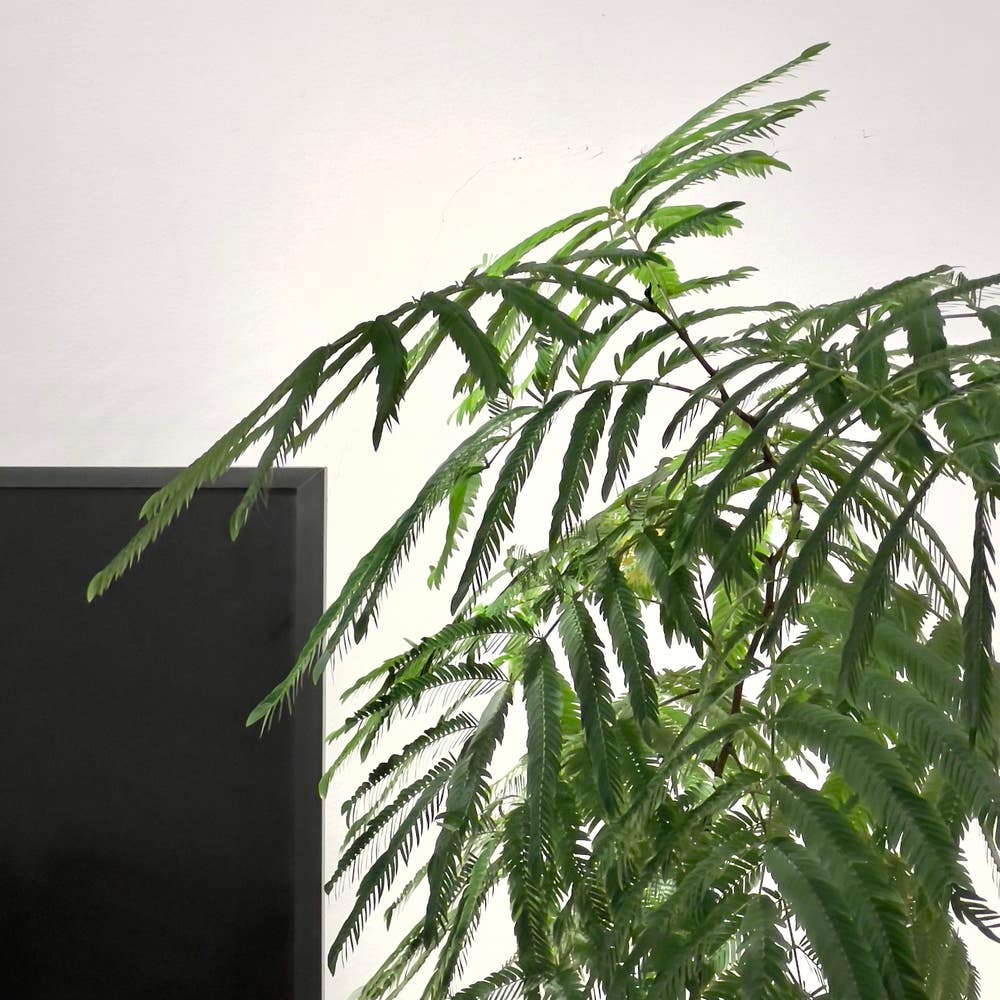
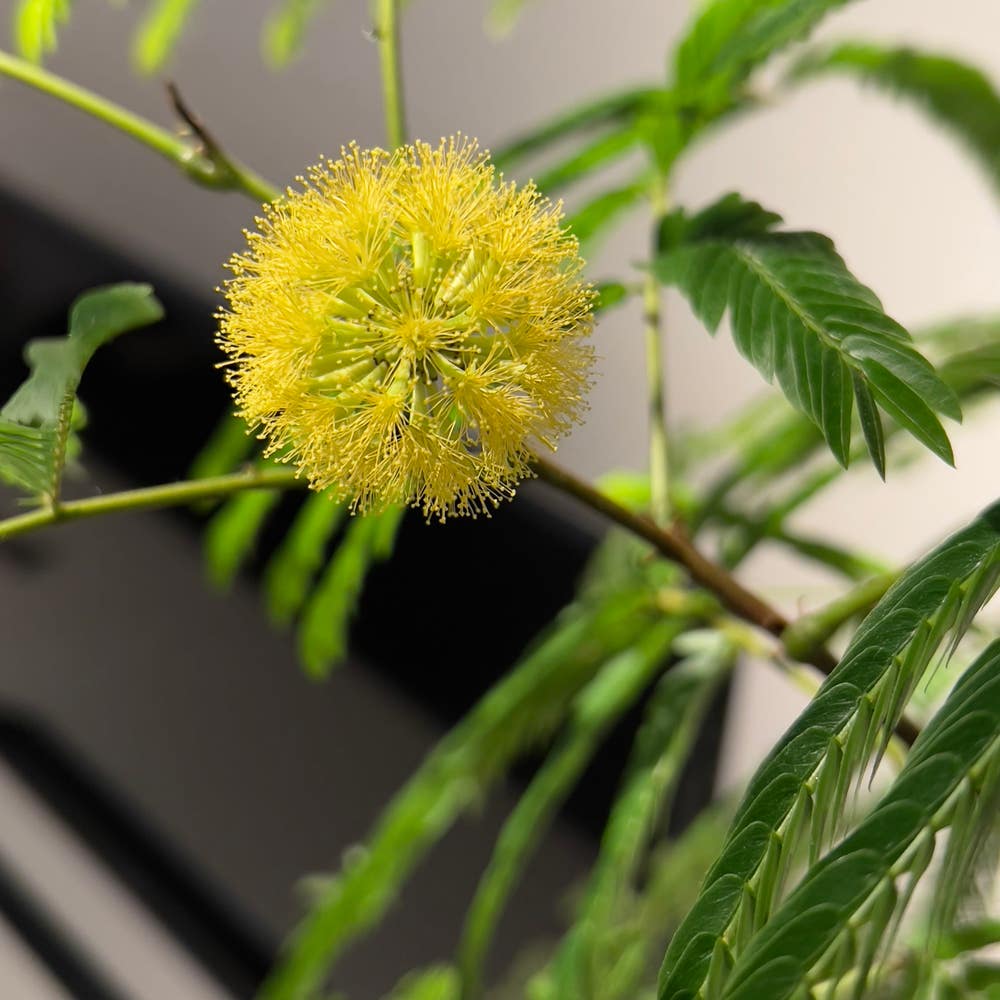
🌸 7 Factors Affecting Albizia Flowering
Albizia splendens
By the Greg Editorial Team
Sep 29, 2024•5 min read
This article was created with the help of AI so we can cover more plants for you. May contain errors. See one? Report it here.
- 🌞 6-8 hours of sunlight daily is essential for splendid Albizia flowering.
- 🌱 Nutrient balance is key; phosphorus boosts flower development significantly.
- ✂️ Prune in late winter to enhance airflow and promote better blooms.
Light Requirements
Importance of Sunlight for Blooming 🌞
Splendid Albizia trees thrive on sunlight, needing at least 6-8 hours of direct exposure daily for vibrant blooms. Without sufficient light, these plants struggle, leading to weak growth and a disappointing flowering potential.
Effects of Too Much or Too Little Light 🌤️
Too much sunlight can scorch the leaves, ultimately reducing flower production. Conversely, inadequate light manifests as elongated stems, sparse foliage, and minimal blooms.
To remedy these issues, consider adjusting the planting location or providing partial shade during peak sunlight hours. This balance is crucial for maintaining the health and beauty of your Albizia.
By understanding these light requirements, you can set the stage for a flourishing display of flowers. Next, let’s explore the nutritional needs that further enhance blooming potential.
Nutritional Needs
🌼 Key Nutrients for Flowering
To achieve splendid Albizia flowering, focus on essential nutrients like nitrogen, phosphorus, and potassium (NPK). Among these, phosphorus plays a pivotal role in flower development, making it a must-have for your plant's success.
Micronutrients such as magnesium and iron are also vital. They support overall plant health, ensuring your Albizia thrives and produces vibrant blooms.
⚠️ Signs of Nutrient Deficiencies
Watch for yellowing leaves, which often indicate a nitrogen deficiency. If you notice poor flower formation, it might be a sign of insufficient phosphorus.
To tackle these issues, conduct soil tests to assess nutrient levels. Based on the results, amend your soil with balanced fertilizers to restore your plant’s health and flowering potential.
Pruning Techniques
Best Practices for Pruning to Encourage Blooms 🌸
Pruning is essential for a healthy Albizia tree, especially when it comes to promoting blooms. The best time to prune is during the dormant season; this allows you to remove dead or damaged branches, enhancing airflow and light penetration.
Avoid heavy pruning during the flowering season. This can stress the plant and reduce its blooming potential.
Timing of Pruning for Optimal Flowering ⏰
The ideal time for pruning is late winter to early spring, just before new growth begins. This timing ensures that your tree is ready to flourish when the warmer months arrive.
In addition to seasonal pruning, consider regular light pruning throughout the growing season. This practice can stimulate more blooms and keep your Albizia looking its best.
By following these pruning techniques, you can set the stage for a vibrant display of flowers. Next, let’s explore common flowering problems and how to tackle them effectively.
Common Flowering Problems
🌸 Failure to Bloom
Potential Causes
Insufficient light exposure is a primary culprit that can hinder blooming. Nutrient deficiencies and the age of the plant also play significant roles, while environmental stressors like drought or overwatering can further impact flower production.
Solutions and Adjustments
To combat these issues, ensure your Albizia receives adequate sunlight and amend the soil with necessary nutrients. Additionally, monitor your watering practices to maintain consistent moisture without risking waterlogging.
🌼 Premature Flower Drop
Causes of Bud Drop
Stress from environmental factors, such as temperature fluctuations or drought, can lead to bud drop. Nutrient imbalances may also contribute to premature flower loss, leaving you with fewer blooms than expected.
Remedies to Prevent Premature Drop
Implementing consistent watering schedules is crucial. Using mulch can help retain soil moisture, while monitoring and adjusting nutrient levels will support healthy flower retention.
🌱 Abnormal Flower Development
Identifying Abnormal Flower Growth
Abnormalities in flower growth may manifest as misshapen flowers, reduced size, or lack of color. Recognizing these signs early can help you take corrective action.
Possible Causes
Pests like aphids or diseases such as powdery mildew can severely affect flower quality. Environmental stressors, including poor soil quality and inadequate light, can also lead to abnormal development.
Solutions to Restore Normal Development
Regularly inspect your plants for pests and diseases, applying appropriate treatments as needed. Improving soil quality and ensuring optimal light conditions will support healthy growth and vibrant blooms.
By addressing these common flowering problems, you can enhance the beauty and vitality of your Albizia. Next, let’s explore the importance of monitoring and maintenance to keep your plants thriving.
Monitoring and Maintenance
👀 Regular Observation
How to Monitor for Flowering Issues
Regular observation is key to a thriving Albizia. Check for signs of stress, like wilting leaves or reduced flower production, to catch issues early.
Pay attention to bloom cycles. Noticing patterns can help you identify potential problems before they escalate.
⏰ Importance of Timely Intervention
Timely intervention can make all the difference in flowering outcomes. Early detection of problems allows for prompt corrective measures, enhancing your plant's health and bloom potential.
📓 Record Keeping
Keeping Track of Bloom Cycles and Flowering Patterns
Maintaining a journal is a game-changer for your Albizia care. Document flowering times, environmental conditions, and care practices to create a valuable resource.
This information helps you adjust care strategies for future growing seasons, ensuring your plant thrives year after year.
🔄 Adjusting Care Based on Observations
Analyze your records to pinpoint successful practices and areas needing improvement. This proactive approach ensures optimal flowering and a more vibrant Albizia.
By staying engaged and informed, you can foster a flourishing environment for your Albizia, setting the stage for stunning blooms.
⚠️ Safety First
This content is for general information and may contain errors, omissions, or outdated details. It is not medical, veterinary advice, or an endorsement of therapeutic claims.
Always consult a qualified healthcare professional before using any plant as food, medicine, or supplement.
Never eat any plant (or feed one to pets) without confirming its identity with at least two trusted sources.
If you suspect poisoning, call Poison Control (800) 222-1222, the Pet Poison Helpline (800) 213-6680, or your local emergency service immediately.
Spotted an error? Please report it here.
Unlock vibrant blooms on your Albizia 🌸 by using Greg's tailored reminders for sunlight and nutrients, ensuring your tree gets the care it needs to flourish!