Dealing with Splendid Albizia as a Weed 🌱
Albizia splendens
By the Greg Editorial Team
Sep 29, 2024•6 min read
This article was created with the help of AI so we can cover more plants for you. May contain errors. See one? Report it here.
- 🌳 Splendid Albizia is an invasive weed, harming local ecosystems and biodiversity.
- 🌸 Identifiable by fluffy pink flowers, it can grow 20 to 40 feet tall.
- ⚔️ Manual and chemical control methods are essential for effective management and prevention.
Plant Classification
Definition of Weeds and Invasive Species 🌱
Weeds are unwanted plants that aggressively invade cultivated areas, often disrupting the balance of local ecosystems. Invasive species, on the other hand, are non-native plants that spread rapidly, causing significant harm to native flora and fauna.
Criteria for Classifying Splendid Albizia as a Weed 🌿
Splendid Albizia is notorious for its rapid spread, easily colonizing disturbed areas. Its competitive nature allows it to outcompete native plants for essential resources like sunlight, water, and nutrients.
Moreover, this invasive species significantly impacts local ecosystems, altering habitat structures and reducing biodiversity. The presence of Splendid Albizia can lead to a decline in native species, making it a serious concern for conservation efforts.
Understanding these classifications is crucial for effective management and control strategies. By recognizing Splendid Albizia as a weed, we can take proactive steps to mitigate its impact on our environment.
Next, we’ll explore how to identify this invasive species effectively.
Identification
Key Identifying Features 🌸
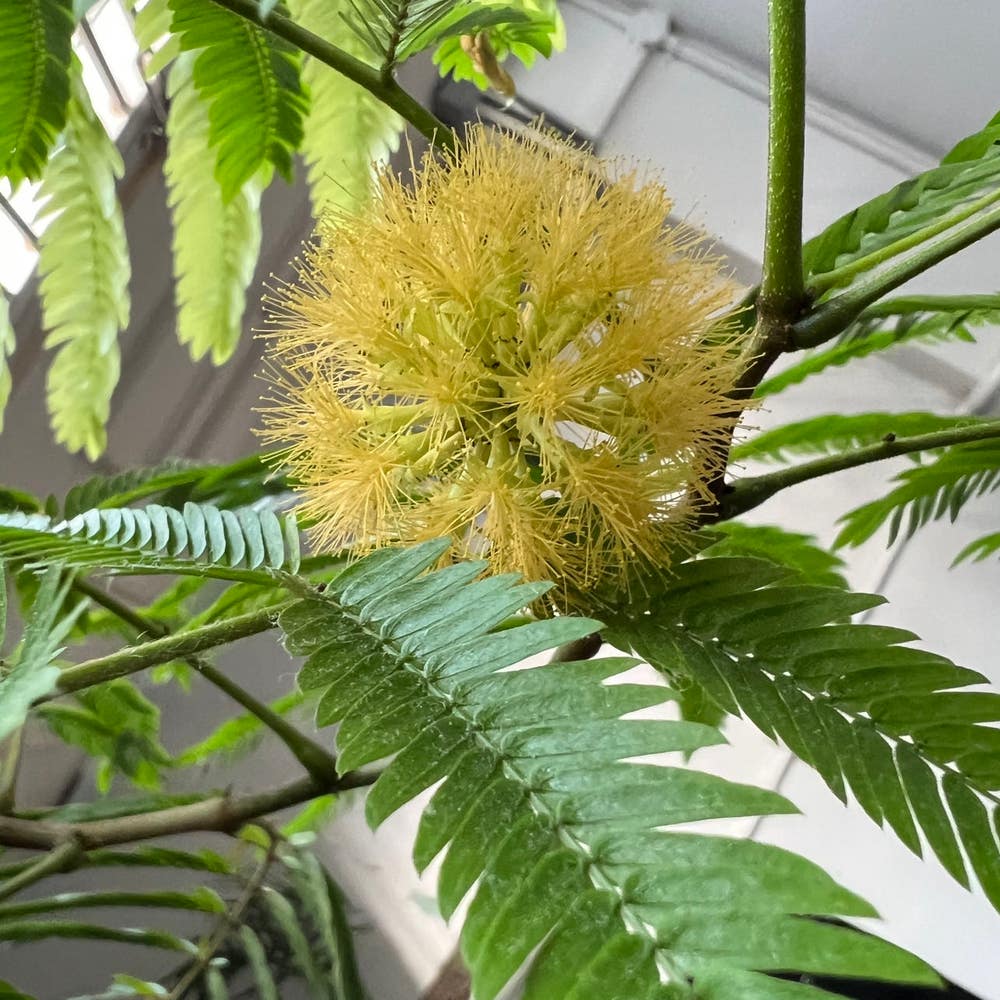
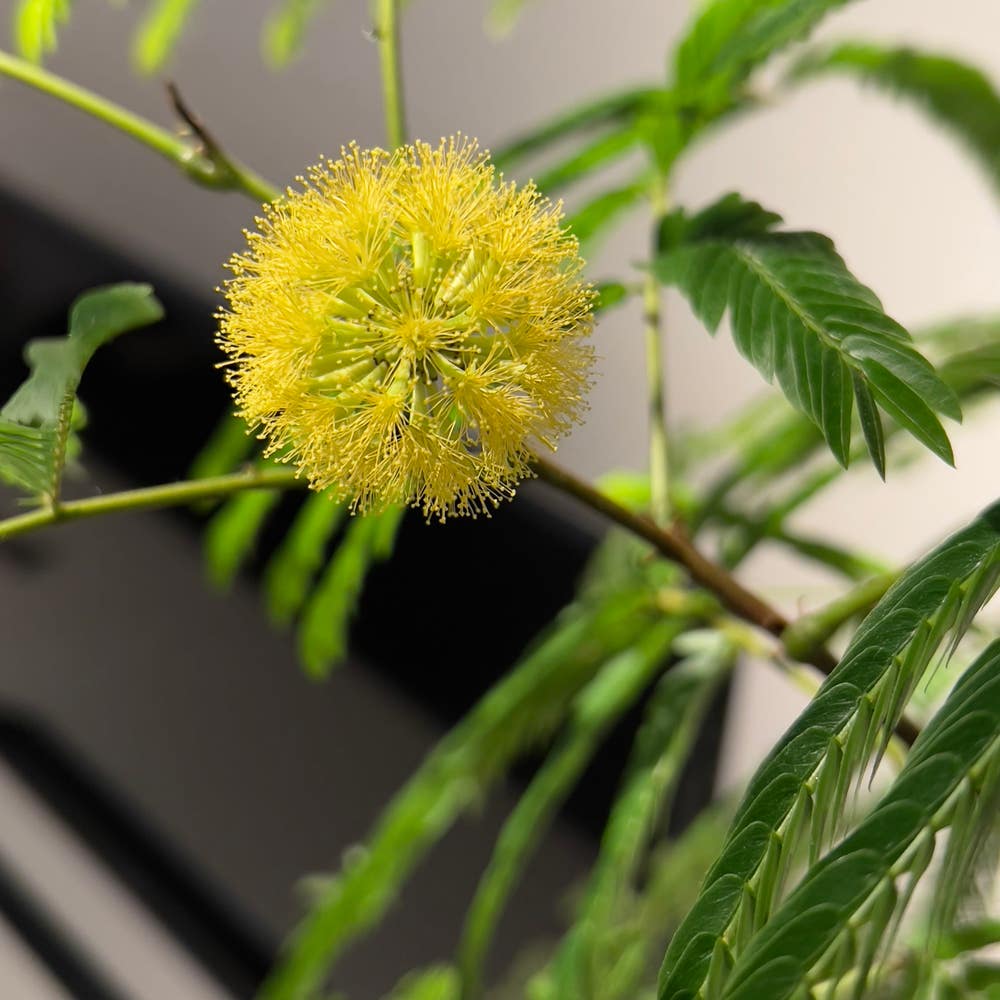
Splendid Albizia is a striking tree that can reach heights of 20 to 40 feet. Its fluffy pink flowers are not just beautiful; they attract a variety of pollinators, making it a noticeable presence in any landscape.
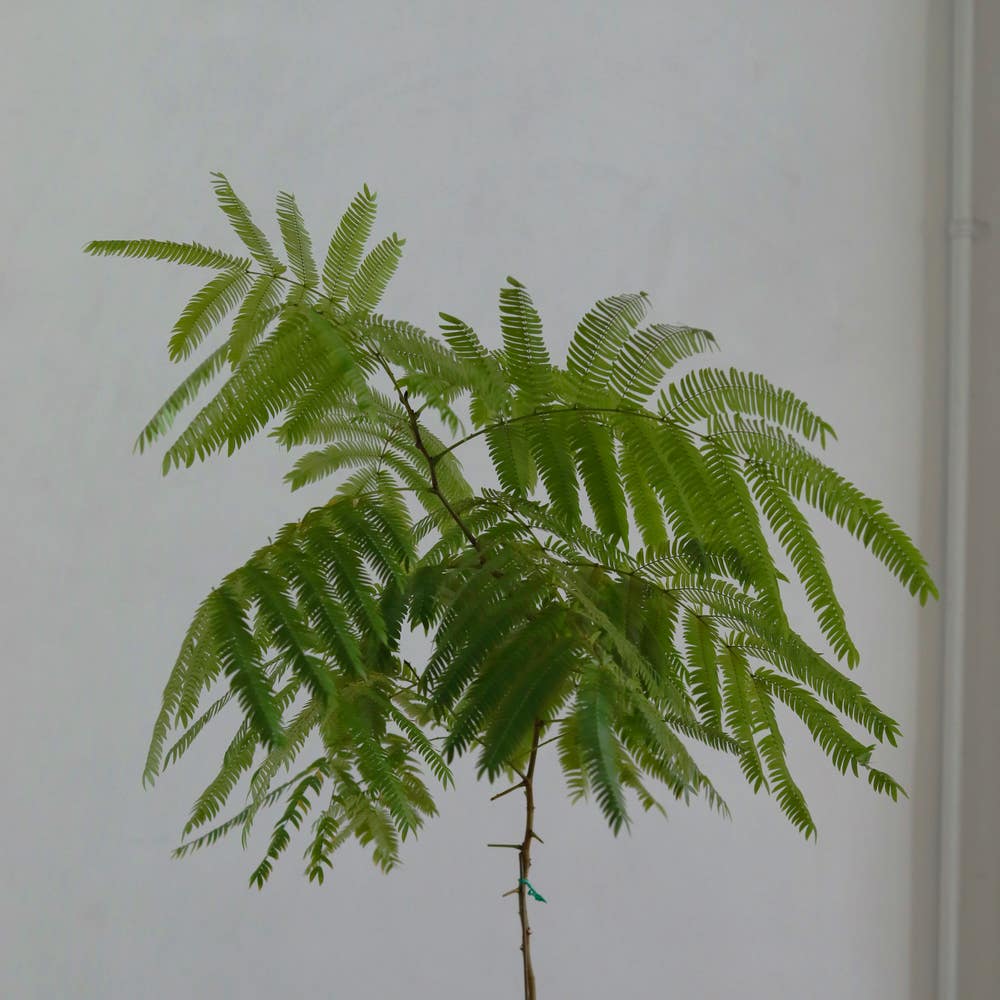
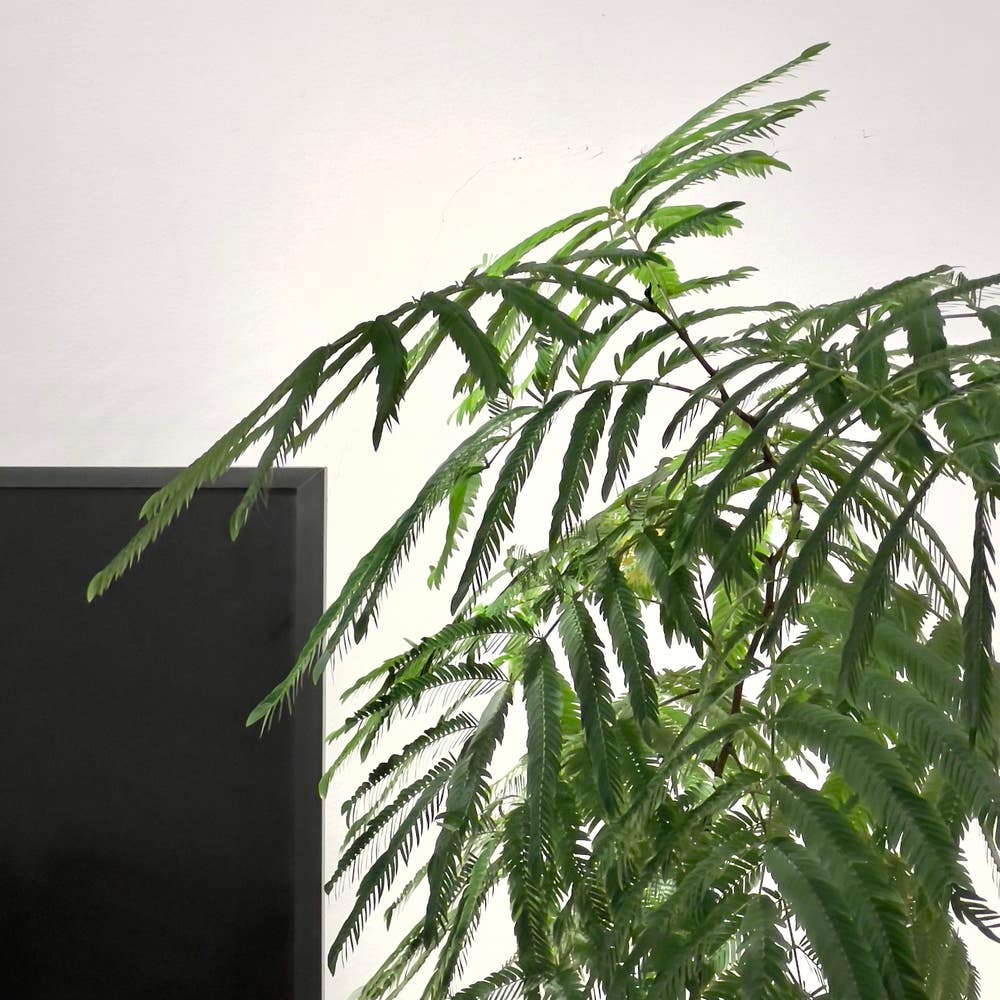
The leaves are equally distinctive, featuring a fern-like appearance with a bipinnate structure. This unique foliage helps set it apart from many other plants in the area.
Comparison with Look-Alike Plants 👀
One common look-alike is the Mimosa tree. While it shares a similar flower structure, the Mimosa is generally smaller and less aggressive in its growth.
To differentiate between the two, pay attention to the leaf structure and overall growth habit. Splendid Albizia tends to be taller and more robust, making it easier to identify once you know what to look for.
Understanding these key features can help you recognize Splendid Albizia in the wild, aiding in effective management and control efforts. With this knowledge, you can better appreciate the ecological challenges posed by this invasive species.
Growth Habits and Spread
Typical Growth Patterns 🌱
Splendid Albizia is a fast-growing tree, often found in disturbed areas, roadsides, and open fields. It can reach maturity in just a few years, making it a formidable presence in any landscape.
Reproductive Strategies and Methods of Spread 🌬️
This species produces large quantities of seeds that can be easily dispersed by wind and water. Additionally, it can sprout from roots and cuttings, allowing it to establish itself rapidly in new locations.
Adaptability to Various Environments 🌍
Splendid Albizia thrives in warm climates and shows remarkable tolerance for poor soil conditions. You’ll often find it in areas with minimal competition, where it can dominate the landscape.
Understanding these growth habits is crucial for effective management and control of this invasive species. By recognizing how it spreads and adapts, we can take proactive steps to mitigate its impact on local ecosystems.
Ecological Impact
🌱 Effects on Native Plant Communities
Splendid Albizia aggressively outcompetes native species, leading to a significant reduction in biodiversity. This invasive tree alters habitat structure and composition, making it harder for local flora to thrive.
🦉 Impact on Wildlife and Biodiversity
By displacing native plants, Splendid Albizia disrupts the food sources and habitats essential for local wildlife. Additionally, it may attract non-native pollinators, further destabilizing local ecosystems and complicating the natural balance.
Understanding these ecological impacts is crucial for effective management and control of Splendid Albizia. By recognizing its threats, we can take proactive steps to protect our native ecosystems.
Control and Management
🧹 Manual Removal Techniques and Best Practices
To tackle Splendid Albizia effectively, start by identifying and marking infested areas. This initial step ensures you know where to focus your efforts.
Next, use tools like shovels and saws for removal. It's crucial to dig deep to extract the roots, as any leftover parts can lead to regrowth.
Finally, dispose of the removed plants properly. This prevents them from taking root elsewhere and spreading further.
⚗️ Chemical Control Options and Safety Considerations
When manual removal isn't feasible, chemical control can be effective. Herbicides like glyphosate and triclopyr are commonly used to manage Splendid Albizia.
However, safety is paramount. Always wear protective gear and follow label instructions carefully to minimize risks to yourself and the environment.
🦠 Biological Control Methods and Their Effectiveness
Exploring biological control methods can offer a sustainable solution. Introducing natural predators or pathogens may help keep Splendid Albizia in check.
Research is ongoing regarding the effectiveness and ecological safety of these methods. It's essential to stay informed about the latest findings in this area.
🚧 Preventive Measures to Limit Spread
Prevention is always better than cure. Regularly monitor areas for early detection of Splendid Albizia to catch it before it spreads.
Implementing buffer zones in gardens and agricultural fields can also limit its reach. These zones act as barriers, reducing the chances of infestation.
⏱️ Importance of Early Detection and Rapid Response
Early detection and rapid response are critical in managing Splendid Albizia. Quick identification allows for immediate action, preventing establishment and further spread.
Developing a strategy for swift action can make all the difference. Stay vigilant and proactive to protect your local ecosystem from this invasive species.
With these control and management techniques, you're better equipped to handle Splendid Albizia. Next, we'll delve into the legal status surrounding this invasive plant and what it means for landowners.
Legal Status
Overview of Laws and Regulations 🌍
Understanding the legal framework surrounding invasive species like Splendid Albizia is crucial. Local and state regulations often dictate the cultivation and sale of such plants, aiming to protect native ecosystems.
Guidelines are typically in place for reporting and managing infestations. This ensures that communities can take action before these invasive species cause significant harm.
Requirements for Removal or Control ⚖️
Landowners have specific legal obligations to manage invasive species on their property. This responsibility includes taking steps to control or remove Splendid Albizia to prevent its spread.
Failure to comply with these regulations can lead to potential penalties. Being proactive not only helps the environment but also keeps landowners on the right side of the law.
Understanding these legal aspects empowers individuals and communities to take effective action against invasive species. It’s a vital step in preserving local biodiversity and maintaining healthy ecosystems.
As we move forward, let’s explore the potential benefits or uses of Splendid Albizia, despite its invasive nature.
Potential Benefits or Uses
🏺 Historical Uses
Splendid Albizia has a rich history of traditional uses. It has been employed in herbal medicine and landscaping, valued for its aesthetic appeal and medicinal properties.
🌱 Current Beneficial Uses, If Any
Today, some advocate for its potential in erosion control and as a nitrogen-fixing plant. These attributes can contribute positively to soil health in specific contexts.
⚠️ Emphasis on Negative Impacts Outweighing Benefits
However, it's crucial to recognize that the negative impacts of Splendid Albizia often overshadow its benefits. Its invasive nature disrupts local ecosystems, leading to significant ecological and economic drawbacks that cannot be ignored.
In summary, while there are some historical and potential uses for Splendid Albizia, the focus should remain on managing its spread and mitigating its harmful effects on native environments. This sets the stage for understanding the legal status surrounding its control and management.
⚠️ Safety First
This content is for general information and may contain errors, omissions, or outdated details. It is not medical, veterinary advice, or an endorsement of therapeutic claims.
Always consult a qualified healthcare professional before using any plant as food, medicine, or supplement.
Never eat any plant (or feed one to pets) without confirming its identity with at least two trusted sources.
If you suspect poisoning, call Poison Control (800) 222-1222, the Pet Poison Helpline (800) 213-6680, or your local emergency service immediately.
Spotted an error? Please report it here.
Combat the invasive Splendid Albizia 🌳 with Greg's community insights and personalized strategies to help restore your local ecosystem!