Why Are My Albizia splendens Leaves Droopy?
Albizia splendens
By the Greg Editorial Team
Jun 18, 2024•3 min read
This article was created with the help of AI so we can cover more plants for you. May contain errors. See one? Report it here.
- Overwatering and underwatering both lead to droopy Albizia leaves.
- Environmental stress from light, temperature, or drafts affects leaf health.
- Consistent care with proper watering and environment keeps leaves perky.
Spot the Clues: Identifying Why Your Albizia's Leaves Hang Low
🌊 Too Much Love: The Perils of Overwatering
Overwatering is like a stage-5 clinger for plants; it just doesn't know when to back off. Your Albizia splendens might be sending an SOS with yellowing leaves and a general look of despair. If the soil feels more like a swamp than a bed, it's time to rethink your watering routine. Root rot is the silent drama queen here, causing roots to go from firm and healthy to mushy and brown.
🏜️ Thirsty Roots: When Underwatering Takes Its Toll
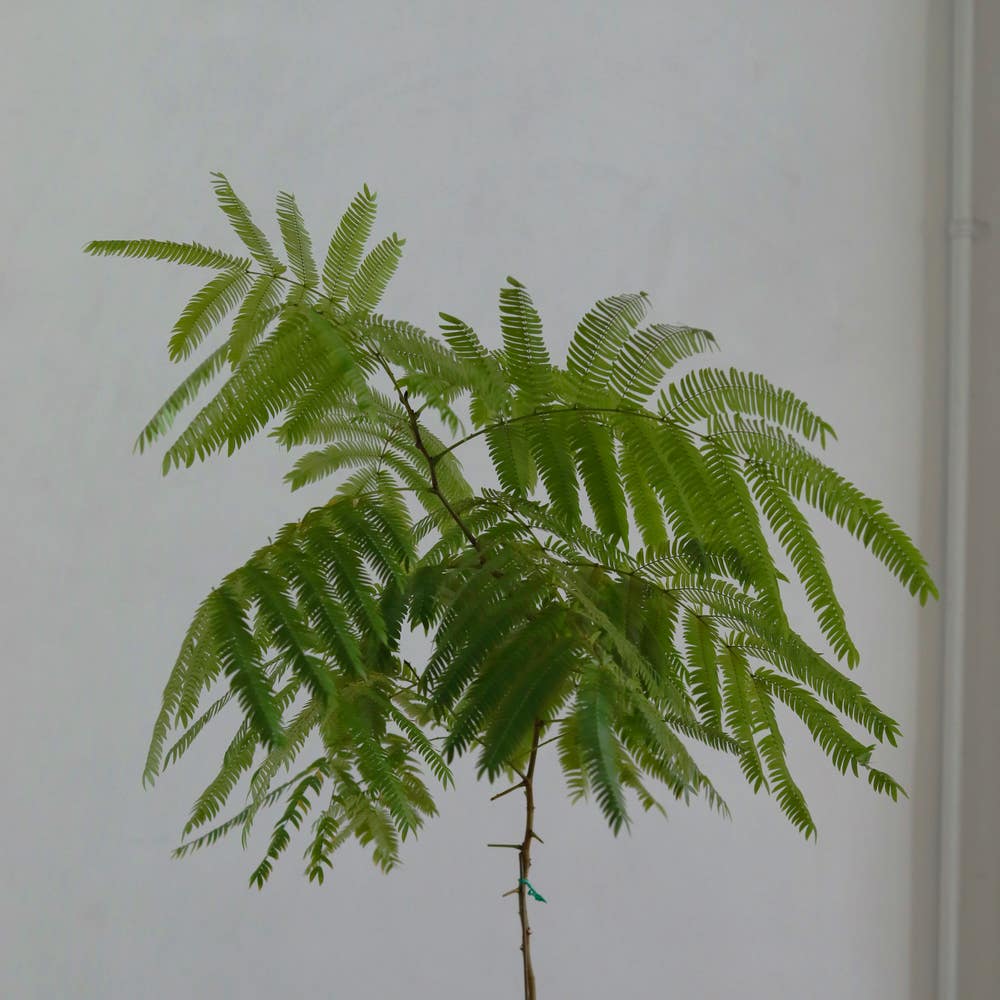
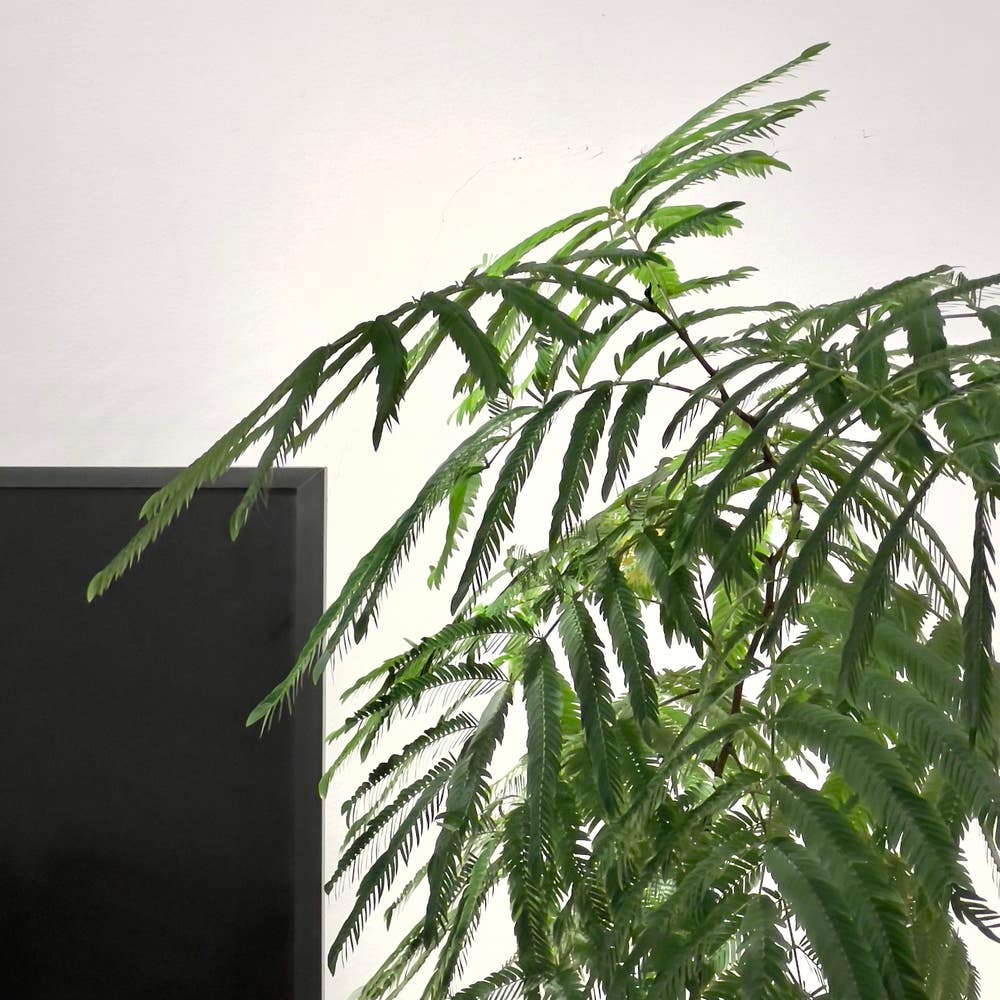
Conversely, underwatering turns your Albizia into a desert wanderer, leaves crispy and curled up in a desperate plea for moisture. If the soil is as dry as a stand-up comedian's wit, your plant is parched. Give it a drink, but don't turn it into a flood victim—balance is key.
😓 Feeling Stressed: Environmental Factors That Mess with Your Plant
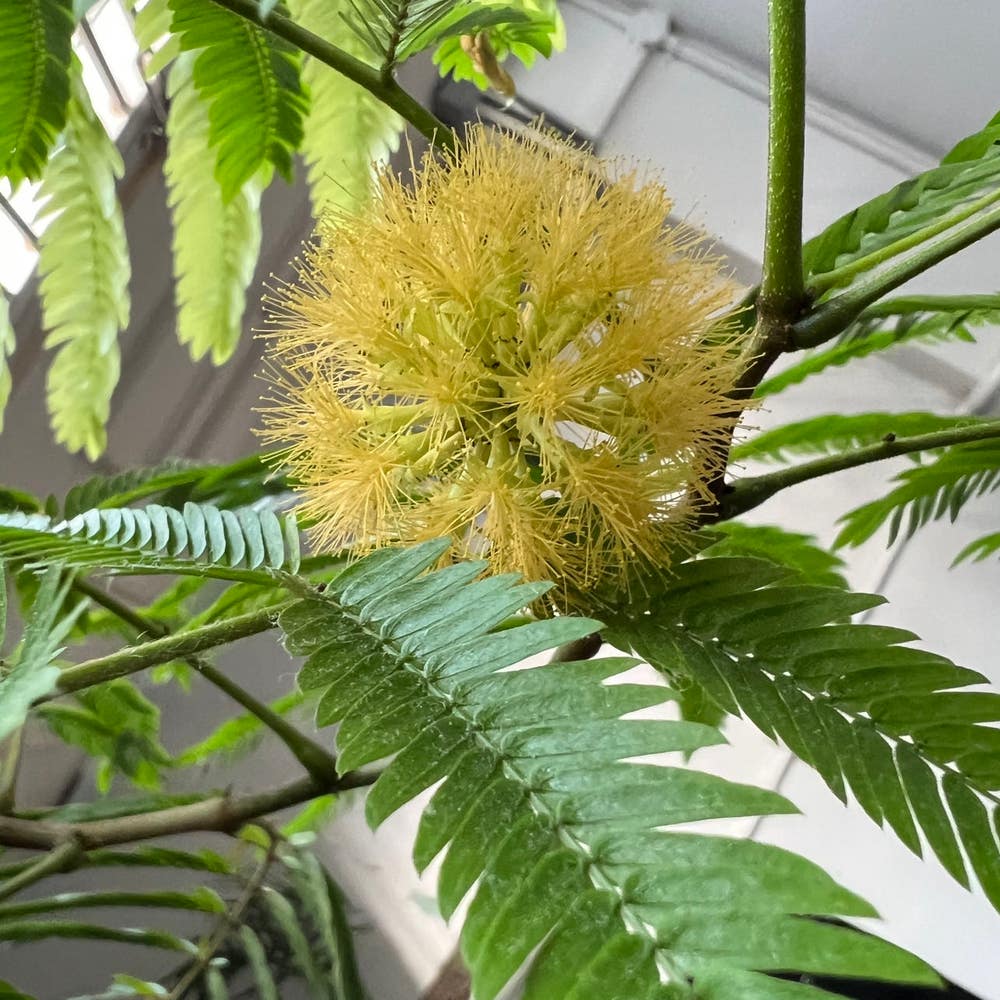
Your Albizia could be throwing a fit due to environmental stress. Too much light makes leaves as scorched as a sunbather without SPF, while too little light leaves them spindly and sad. Temperature swings can make your plant feel like it's in a bad relationship, unsure if it's coming or going. Aim for a stable, loving environment, and watch your plant thrive.

The Rescue Plan: Perking Up Your Albizia's Leaves
💧 Drying Out: How to Fix the Flood
If your Albizia splendens is swimming in excess water, immediate action is needed. First, halt all watering and let the soil surface dry. If the pot lacks drainage, consider transferring your plant to a well-draining container. For severe cases, gently remove the plant, inspect for root rot, and trim any blackened or mushy roots before repotting in fresh, dry soil.
💦 Quenching the Thirst: Hydration Tips for Parched Plants
Underwatered Albizia? It's time for a drink. Slowly reintroduce water to avoid shock—think of it as a plant spa day, not a deluge. Ensure the entire root ball gets moistened, allowing excess water to drain. Going forward, when the top inch of soil feels dry, it's a green light to water again.
🌟 Creating the Perfect Plant Pad: Adjusting Light and Temperature
Your Albizia is a diva that demands the perfect spotlight. Bright, indirect light will make its leaves dance. Too much sun, and they'll sizzle; too little, and they'll slump. Temperature-wise, keep it cozy—room temperature is the sweet spot. Avoid drafts and sudden temperature swings to prevent your plant from throwing a temper tantrum.

Keeping the Leaves Lively: Prevention Is Better Than Cure
💧 Watering Wisdom: Finding the Sweet Spot
Consistency is key when it comes to watering your Albizia splendens. Overwatering is the express lane to root rot, while underwatering turns your plant into a crispy critter. To hit the sweet spot, water when the top inch of soil feels dry to the touch. Think of it as the plant equivalent of a thirst-quenching gulp after a long run—not too much, not too little.
🏡 Home Sweet Home: Ensuring Ideal Conditions for Your Albizia
Your Albizia splendens doesn't need a palace, but it does crave the right environment. Light is like a non-negotiable coffee for your plant—it needs it to kickstart the day. Place it in bright, indirect sunlight and watch it thrive. Temperature-wise, keep it cozy; avoid drafts and sudden temperature changes. Humidity is the cherry on top; consider a pebble tray or a humidifier to keep those leaves from throwing a fit. Remember, a happy plant is a perky plant.

⚠️ Safety First
This content is for general information and may contain errors, omissions, or outdated details. It is not medical, veterinary advice, or an endorsement of therapeutic claims.
Always consult a qualified healthcare professional before using any plant as food, medicine, or supplement.
Never eat any plant (or feed one to pets) without confirming its identity with at least two trusted sources.
If you suspect poisoning, call Poison Control (800) 222-1222, the Pet Poison Helpline (800) 213-6680, or your local emergency service immediately.
Spotted an error? Please report it here.
Ensure your Albizia splendens stays vibrant and droop-free 🍃 with Greg's personalized care plans that tailor watering and environmental needs to your home.