Why Are My Albizia splendens Leaves Falling Over? 🍂
Albizia splendens
By the Greg Editorial Team
Jun 18, 2024•3 min read
This article was created with the help of AI so we can cover more plants for you. May contain errors. See one? Report it here.
- Over/underwatering, pests, and stress cause Albizia splendens leaf droop.
- Yellowing leaves signal nutrient deficiency; use balanced fertilizer.
- Regular inspections and environmental adjustments help prevent leaf droop.
Spotting the Signs: When Your Albizia Splendens Leaves Start Drooping
🍂 Identifying the Symptoms of Leaf Fall
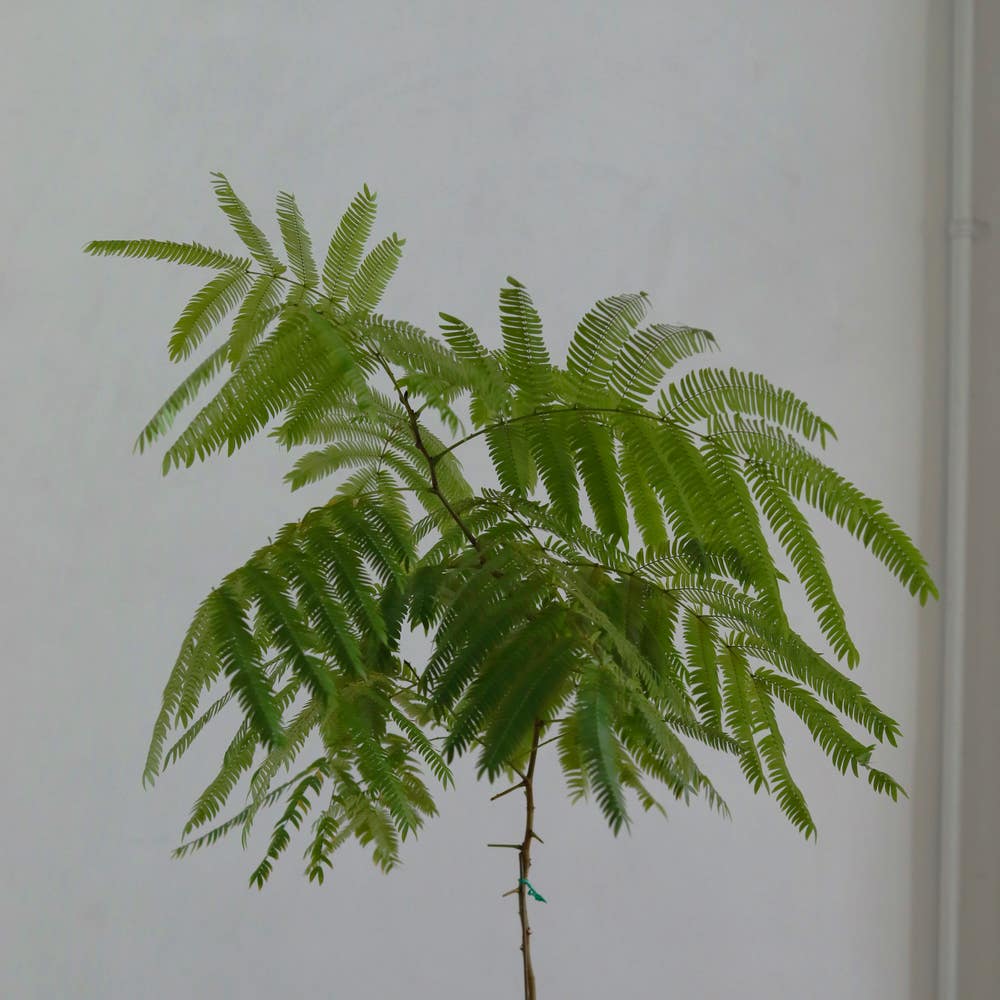
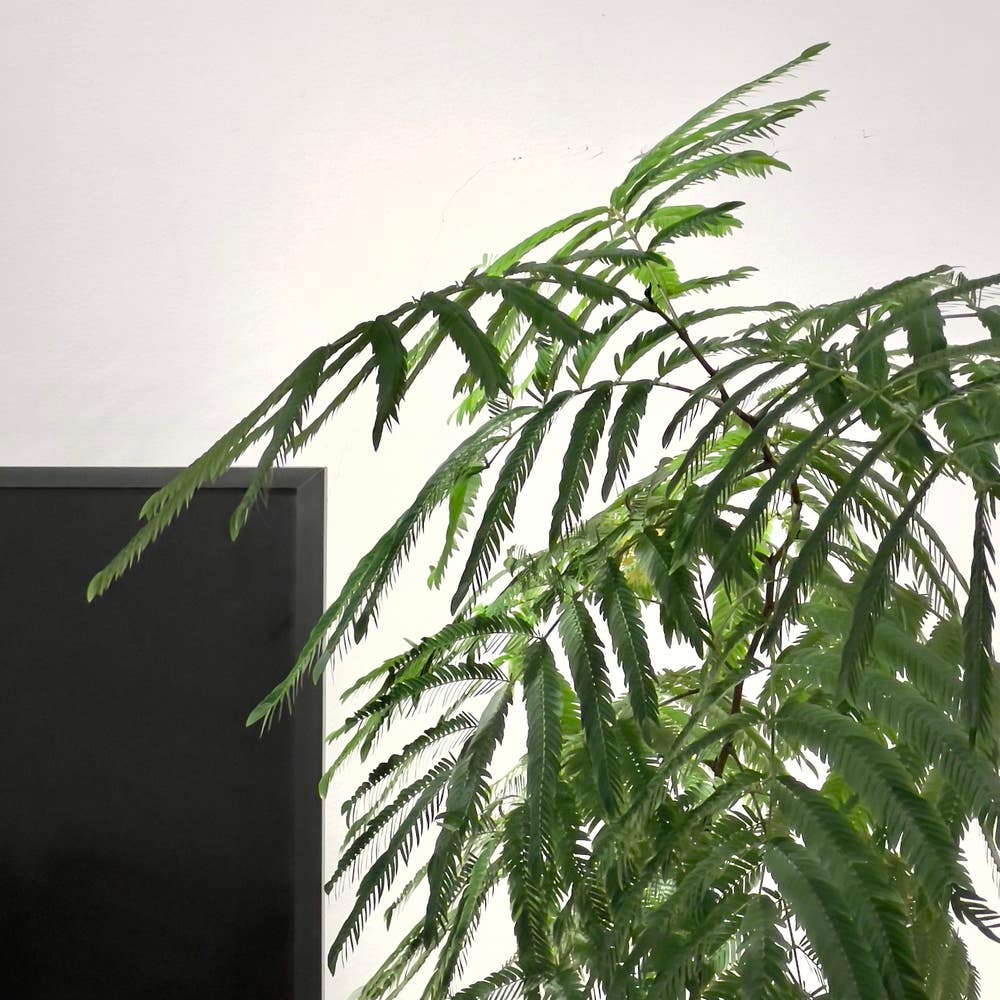
Wilting leaves are the plant’s distress signal, much like a flare shot into the night sky. If your Albizia splendens starts looking more like a weeping willow, it's time to pay attention. Discoloration or textural changes are your cue to spring into action.
🕵️ Quick Checks for Severity Assessment
Visual inspection is key. Don't just give your tree a passing glance; examine it like a detective at a crime scene. Look for leaves that hang limply or stems that can't hold their own weight. If the leaves are starting to resemble a collection of miniature umbrellas caught in a downpour, it's serious. Branches that are starting to sag are a sign that your tree's structural integrity could be compromised.
Patterns of leaf loss can tell you a lot. Are the lower leaves affected first, or is it a top-down situation? Check for any spots, discoloration, or texture changes that scream, "I'm not okay!" Remember, early detection can mean the difference between a quick fix and a full-blown tree crisis.

The Root of the Problem: Uncovering Causes of Leaf Droop
💧 Water Woes: Too Much or Too Little
Overwatering turns Albizia splendens leaves into soggy messes, while underwatering leaves them shriveled. The trick is to let the soil dry slightly between waterings. Poke your finger into the soil; if it clings to your skin, hold off on the H2O.
🌡 Feeling the Heat: Environmental Stressors
Albizia splendens doesn't take kindly to extreme temperature swings or gusty winds. Leaves drop their perky posture in protest. Shield them from the elements by choosing a sheltered location or providing a windbreak.
🍽 Hungry for Nutrients: Tackling Deficiencies
Yellowing leaves can signal a cry for nutrients. A balanced, slow-release fertilizer can perk up your Albizia splendens. But don't go overboard – too much love in the form of nitrogen can cause more harm than good.
🐜 Bug Battles: Pests and Diseases
Pests like spider mites and diseases such as root rot can cause leaves to droop in despair. Regular inspections and prompt treatment with insecticidal soap or neem oil can keep these invaders at bay.

Turning Over a New Leaf: Remedial Actions
💧 Fine-Tuning Watering Techniques
Adjusting your watering routine is crucial for the health of Albizia splendens. Start by feeling the soil; if it's damp an inch down, skip the watering can. Use tools like soil moisture meters for precision, or stick with the trusty finger test. Remember, the goal is moist, not soggy.
🛡️ Shielding from Stress: Environmental Adjustments
Protecting Albizia splendens from harsh conditions means being proactive. Provide shade during extreme heat and shelter from strong winds. Improving air circulation can be as simple as pruning; just enough to let the tree breathe without going Edward Scissorhands on it.
🍽️ Nutrient Boost: Getting the Mix Right
When your Albizia splendens looks under the weather, it might be hungry for nutrients. Correct soil imbalances with a targeted fertilization approach. Apply a balanced fertilizer, but only as needed—think of it as a vitamin, not a meal.
🐜 Pest and Disease Defense Tactics
Preventative treatments are your best bet against pests and diseases. Keep an eye out for early signs and act swiftly. Regular maintenance, like cleaning up fallen leaves, can ward off unwanted guests. And remember, quarantine new plants like they just came back from a trip to the jungle.

⚠️ Safety First
This content is for general information and may contain errors, omissions, or outdated details. It is not medical, veterinary advice, or an endorsement of therapeutic claims.
Always consult a qualified healthcare professional before using any plant as food, medicine, or supplement.
Never eat any plant (or feed one to pets) without confirming its identity with at least two trusted sources.
If you suspect poisoning, call Poison Control (800) 222-1222, the Pet Poison Helpline (800) 213-6680, or your local emergency service immediately.
Spotted an error? Please report it here.
Prevent your Albizia splendens from wilting by letting Greg remind you 📅 when to water and shield it from the extremes, ensuring its leaves stay lush and perky.