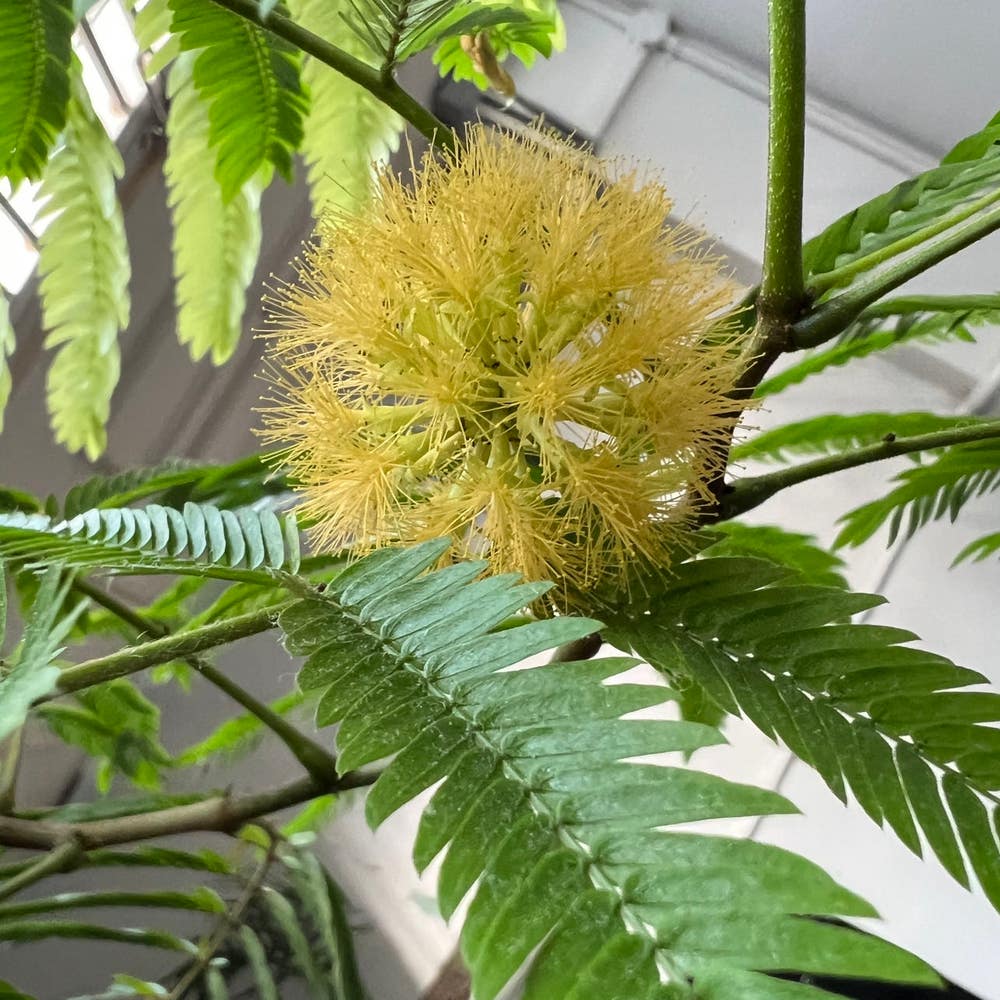
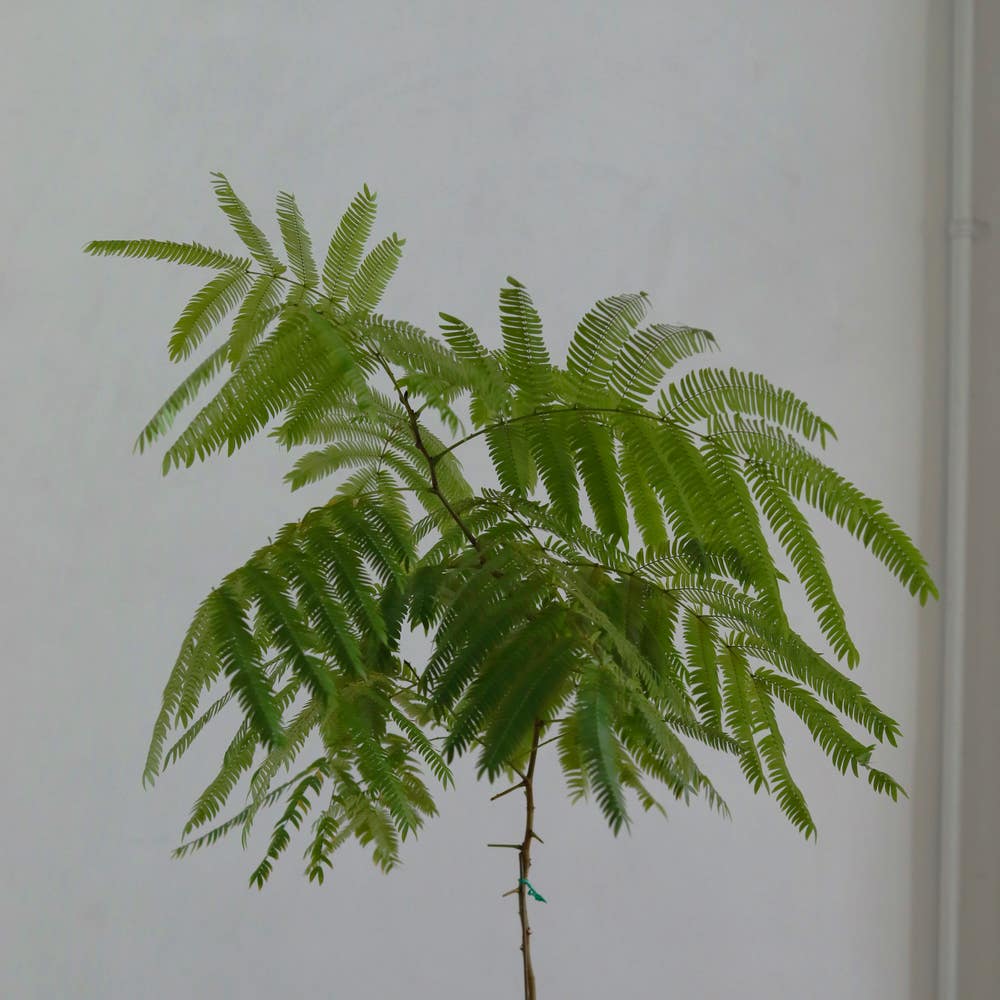
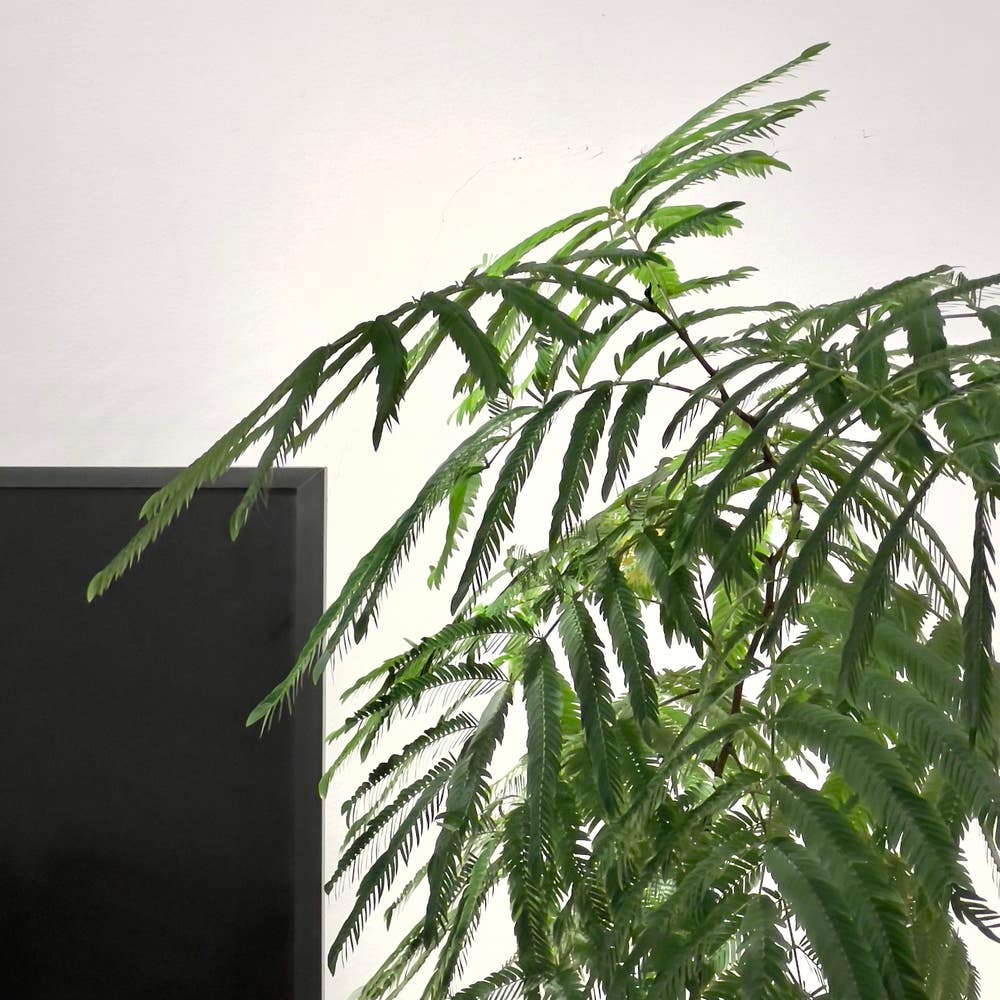
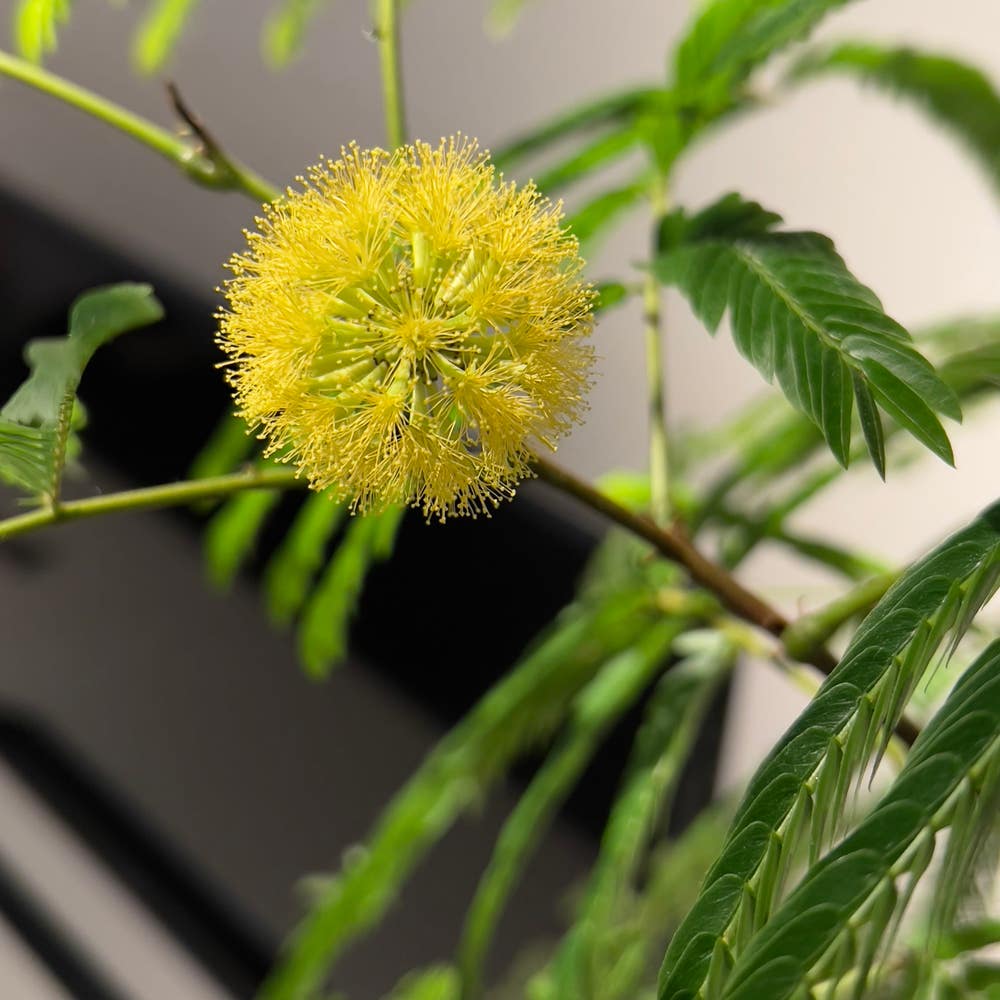
How Can You Tell If A Albizia splendens Is Dying?
Albizia splendens
By the Greg Editorial Team
Jun 18, 2024•3 min read
This article was created with the help of AI so we can cover more plants for you. May contain errors. See one? Report it here.
- Wilting or yellowing leaves may signal water issues or root rot.
- Stunted growth or pale leaves suggest improper light; brown edges indicate sun damage.
- Pests, mold, and temperature swings can all cause distress in Albizia splendens.
Spotting the SOS Signals from Your Albizia Splendens
💧 Wilting Woes: Inconsistent Watering
Wilting Albizia splendens leaves might whisper a need for water, or they could be gasping from too much. Yellowing leaves and premature leaf drop are the plant's way of waving a white flag. To find the watering sweet spot, let the soil's moisture be your guide—dry to the touch means drink up, while soggy means stop.
☀️ Light Struggles: Too Much or Too Little
Stunted growth and pale leaves are your Albizia splendens telling you it's craving more light. On the flip side, leggy stems scream for less. Achieve the light balance by observing your plant's response and adjusting its position for optimal exposure without direct scorching rays.
🌡️ Temperature Tantrums: The Heat and Cold Battle
When leaves start browning or wilting, it's a sign your Albizia splendens is throwing a temperature tantrum. Slowed growth can also indicate discomfort. Keep the environment consistent to avoid these temperature swings, ensuring your plant doesn't sweat a heatwave or shiver through a cold snap.
🐜 Bug Battles: Pests Invasion
Visible pests, yellowing, or distorted leaves, and webbing are the telltale signs of an unwanted pest invasion. To fight back, employ safe pest control measures that won't harm your plant or the environment. Regular inspections and prompt action are key to winning the bug battle.
💦 Water Woes: Overwatering and Root Rot
Recognizing root rot is crucial—yellowing leaves, wilting, and a foul soil odor are distress signals. If you suspect root rot, it's time for a rescue mission. Gently remove your plant, trim away the rotted roots, and repot in fresh, well-draining soil to start the recovery process.

When the Heat is Too Much: Leaf Scorching and Mold Issues
☀️ Scorched Leaves: Too Much Sun
In the battle against sun damage, your Albizia splendens can end up with brown, crispy leaf edges and a discolored demeanor. It's a plant's version of a bad sunburn, where leaves can appear bleached or bear blotchy burns.
To shield your green buddy, consider shifting to shade during peak sun hours. A strategic relocation or the use of a shade cloth can prevent the harsh rays from turning your plant's leaves into crispy critters.
🍄 Mold and Fungus: The Silent Killers
Fungal foes like mold and mildew can be stealthy, but their presence is betrayed by white or grayish patches on leaves, or a general wilting without an obvious cause.
Clearing the air around your Albizia splendens is crucial. Improve air circulation and manage moisture to keep these silent killers at bay. If you spot trouble, act fast—mold spreads quicker than gossip in a small town.


⚠️ Safety First
This content is for general information and may contain errors, omissions, or outdated details. It is not medical, veterinary advice, or an endorsement of therapeutic claims.
Always consult a qualified healthcare professional before using any plant as food, medicine, or supplement.
Never eat any plant (or feed one to pets) without confirming its identity with at least two trusted sources.
If you suspect poisoning, call Poison Control (800) 222-1222, the Pet Poison Helpline (800) 213-6680, or your local emergency service immediately.
Spotted an error? Please report it here.
Revive your Albizia splendens from the brink by spotting trouble signs early with this guide and letting Greg's custom care alerts 🚨 keep you one step ahead of pests, mold, and environmental stress.