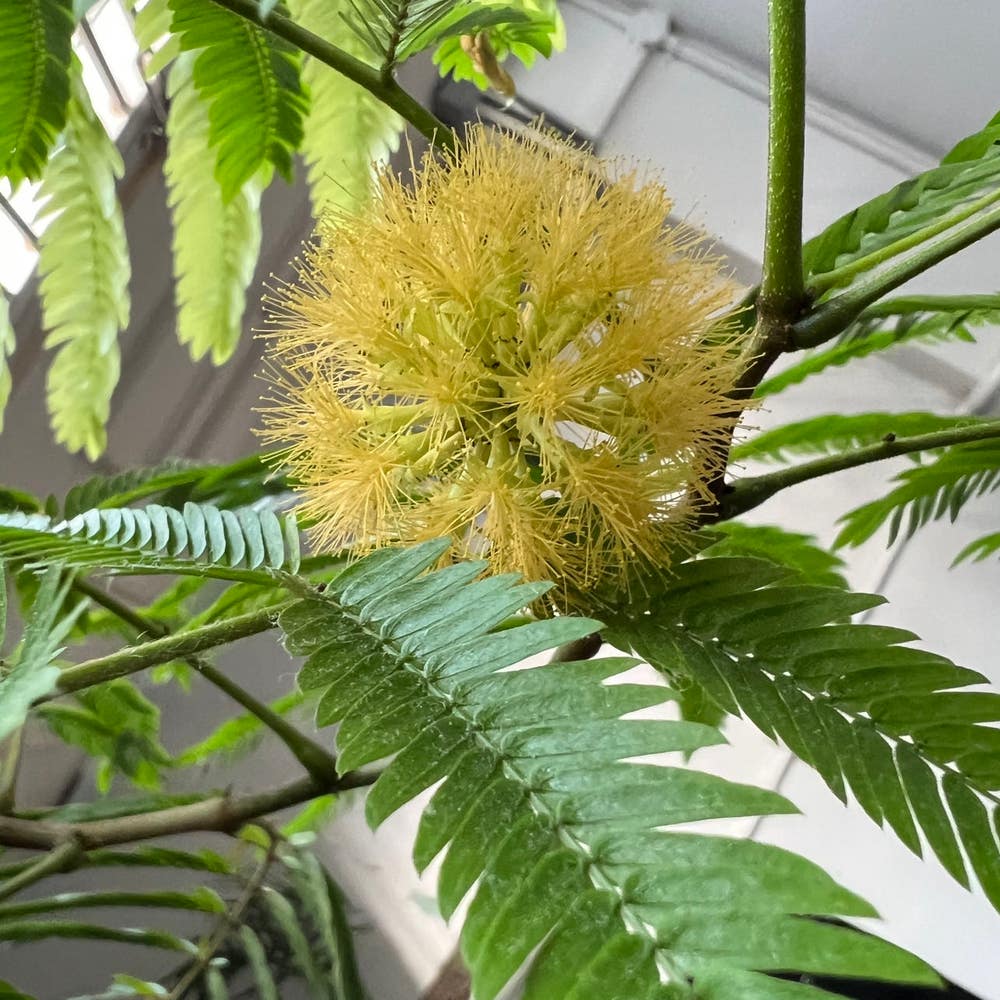
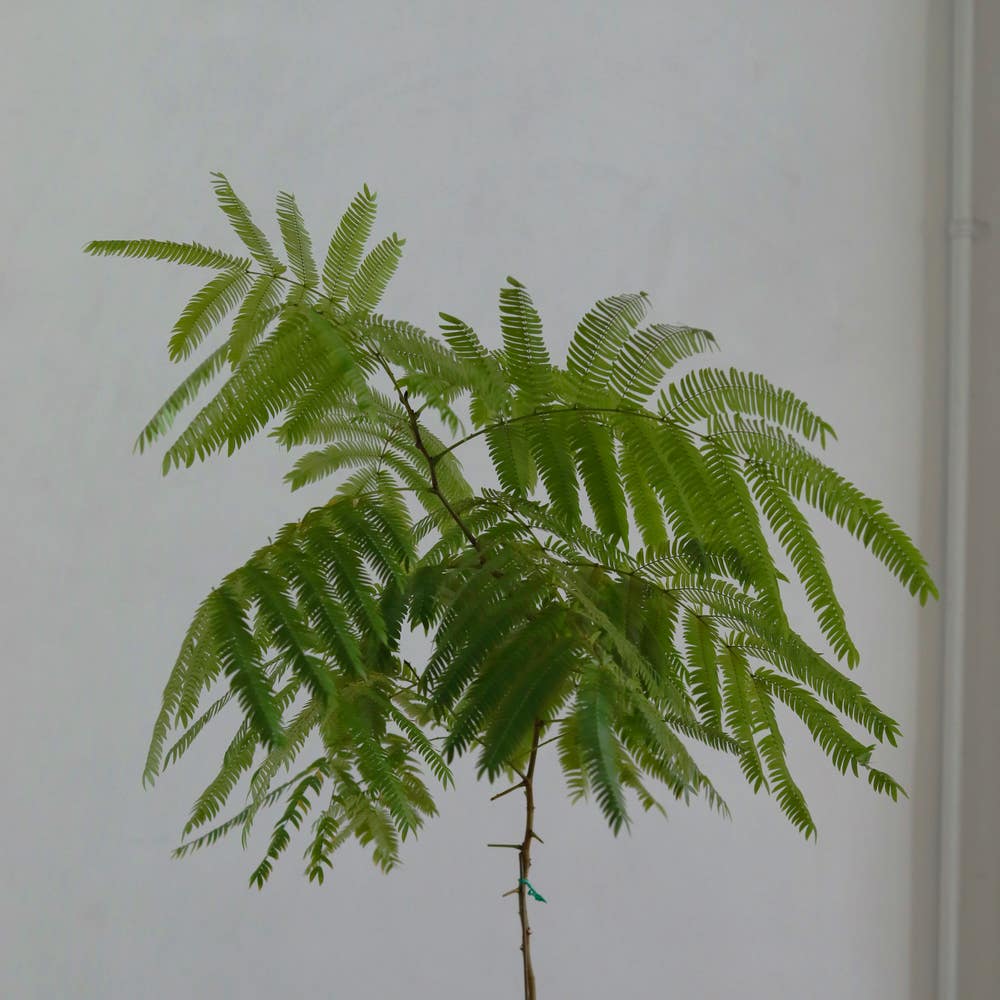
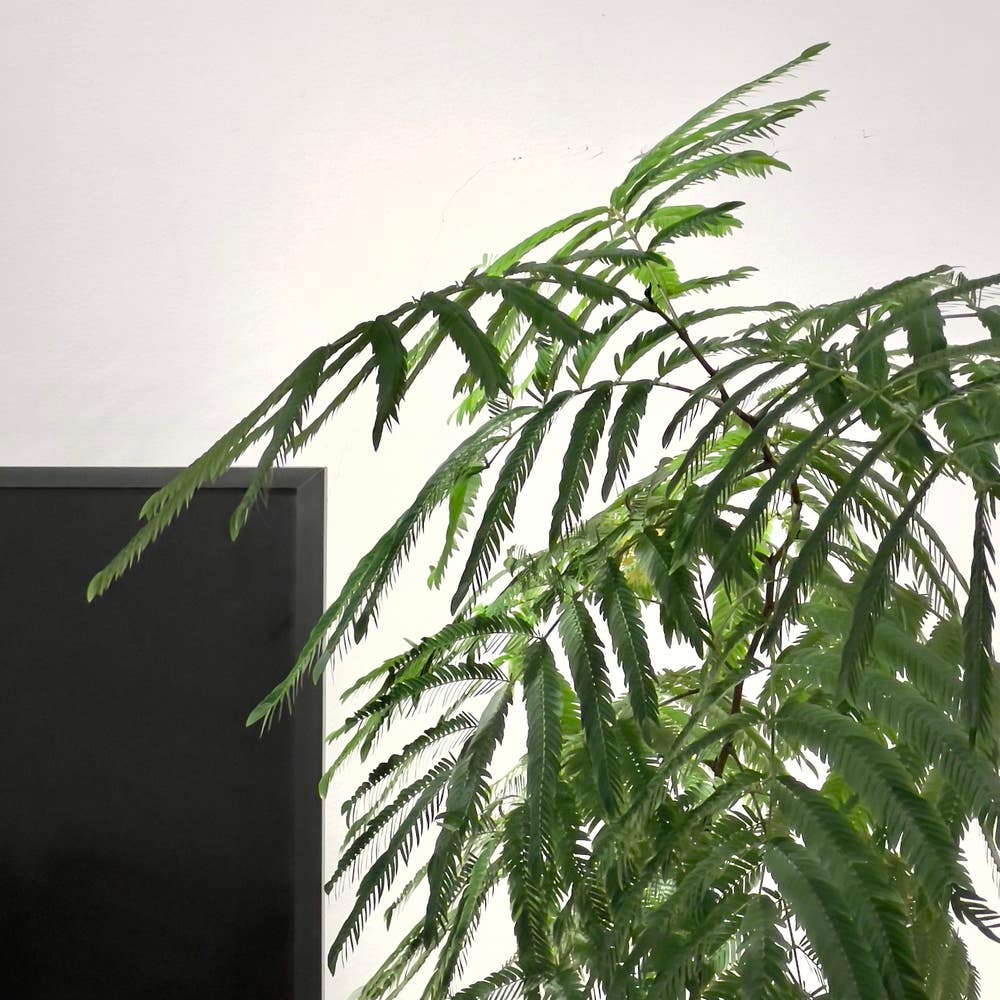
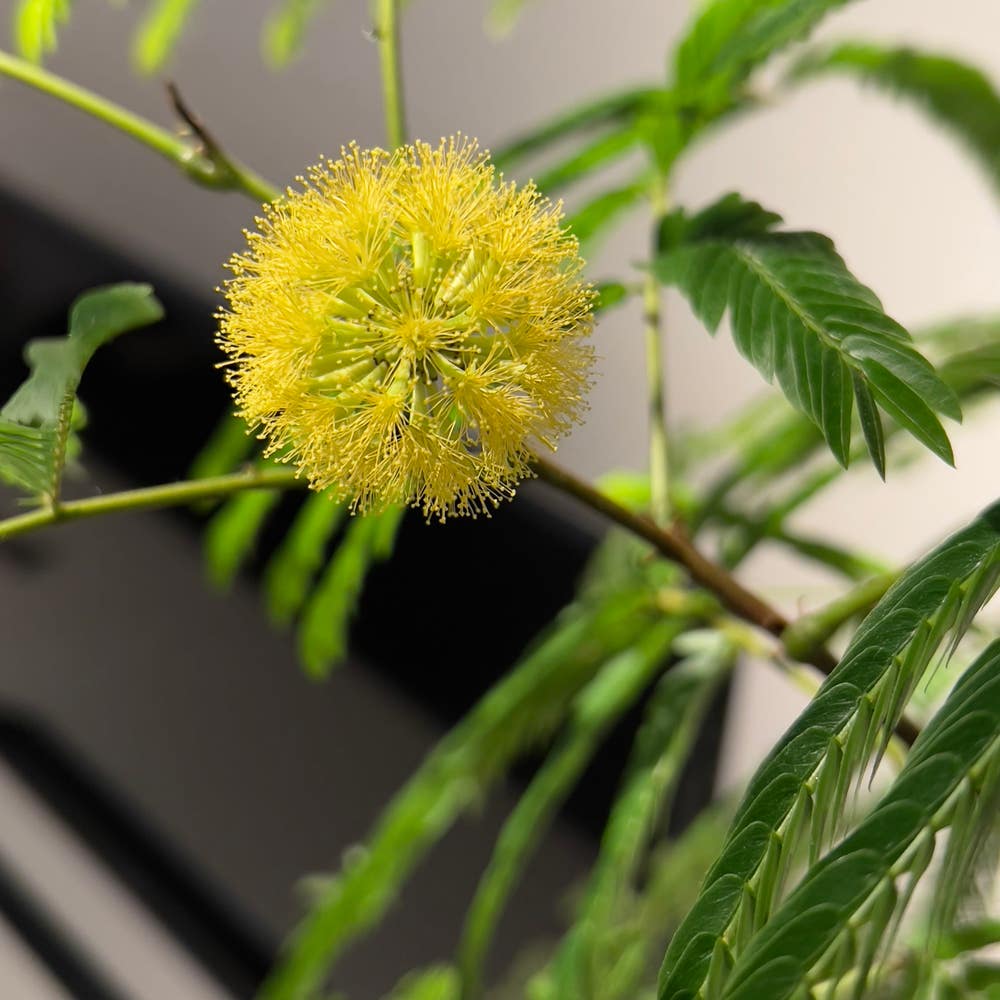
Propagating Albizia splendens: The Ultimate Guide
Albizia splendens
By the Greg Editorial Team
Jun 18, 2024•5 min read
This article was created with the help of AI so we can cover more plants for you. May contain errors. See one? Report it here.
- Scarify seeds and use well-draining soil mix for successful Albizia splendens germination.
- Rooting hormone boosts Albizia cuttings' success; ensure good airflow to prevent disease.
- Air layering allows roots to grow on the parent plant; transplant when a few inches long.
Sowing the Seeds of Success: Seed Propagation
🌱 Collecting and Preparing Seeds
Harvesting Albizia splendens seeds is a game of timing; snag them when they're ripe but before they hit the ground. Scarification is your secret weapon here. Briefly bathe the seeds in nearly boiling water, then let them soak in warm water for 12-24 hours. If they haven't swollen, nick the seedcoat with precision—think surgeon, not lumberjack.
🌱 Planting the Seeds
Now, let's get those seeds in the soil. Mix equal parts potting soil, coarse sand, and perlite for a well-draining bed. Sow seeds on the surface, then sprinkle a whisper of soil over them like a light snowfall. Keep the soil moist, but not a swamp, and wait for nature to do its thing. Patience is key; you're not microwaving popcorn here.

Cloning Your Albizia: Cutting Propagation
🌱 Selecting and Preparing Cuttings
To kickstart your Albizia splendens cloning adventure, pinpoint the freshest growth. Look for vigorous branches, ideally with a bit of youthful swagger, and snip a 4-6 inch piece just below a leaf node. The node's where the magic happens, so make it count.
Strip the lower leaves to give future roots some breathing room. It's like prepping a runway for takeoff—clear the area for a smooth launch.
🌿 Rooting Your Cuttings
Now, get your hands on some rooting hormone. This stuff's like a pep talk for roots, telling them to get growing. Dip the cut end of your cutting into the hormone, but don't go overboard—a gentle tap to shake off the excess will do.
Create a rooting haven with a mix of peat moss and perlite, aiming for a 60/40 split. This is your cutting's new crib, so make sure it's comfy with consistent moisture and warmth, but no sauna vibes—keep it cool.
Remember, patience is key. You're not just growing plants; you're growing your very own green thumb.

Aerial Adventures: Air Layering Technique
🌱 Setting Up for Air Layering
Air layering is not your average propagation method; it's like giving your Albizia splendens a new lease on life without the separation anxiety. Select a branch that's just the right thickness—think pencil-sized—and get ready to play plant surgeon.
- Make the cut: Using a sharp knife, make an incision around the branch, then another one an inch apart. Strip the bark between these cuts to expose the inner layer.
- Moss it up: Wrap damp sphagnum moss around the exposed area. This is your rooting medium, so make sure it's like a snug, moist blanket.
- Wrap it tight: Encase the moss in clear plastic wrap, securing it with wire or twist ties. Poke some holes for breathability—roots need air too.
- Keep it damp: Check the moss every few days to maintain the right level of moisture. Too wet and you're inviting rot; too dry and your roots will throw in the towel.
🌿 From Air to Earth: Transplanting Air Layers
Patience is key here. You're waiting for those roots to emerge like a slow-motion nature documentary. Once they've grown a few inches, it's time to cut the cord.
- Sever with care: With a steady hand, cut below the new roots to separate your Albizia clone from its parent.
- Potting party: Plant your new addition in a pot with a well-draining soil mix, and give it the VIP treatment with water and indirect light.
- Branch out: Expect the mother plant to respond with new growth where you made the cut. It's her way of saying, "Thanks for the trim!"
Remember, air layering is more art than science. Each plant tells its own story, so listen closely and adjust your technique as needed.

Overcoming Propagation Pitfalls
🌱 Troubleshooting Tips
Poor Germination and Rooting Failures
Germination can be as stubborn as a mule. If your Albizia splendens seeds are giving you the silent treatment, consider if they're too cozy. Overwatering is a common culprit, leading to a fungal free-for-all. Keep the soil moist, not a swamp. Temperature also plays a big role; these seeds need warmth to break their dormancy. Think of it as their morning coffee.
For cuttings that won't root, check your node game. Nodes are the hotspot for root growth, so cut close to them. And remember, cleanliness is next to godliness; always use sterilized tools to prevent introducing any unwanted microscopic party crashers.
Preventing Common Diseases
Diseases in propagation are like unwelcome guests; they arrive unannounced and wreak havoc. Fungal diseases, such as gray mold, thrive in poor airflow situations. Keep the air moving like a gentle summer breeze. If you spot any infected areas, act fast—remove them and consider a fungicide.
Bacterial infections can turn your propagation into a horror show. Slimy stems? Leaf spots with a yellow halo? It's time to play detective and remove any infected plants immediately. Prevention is your best friend here; keep everything clean and monitor your plants like a hawk.
Overwatering: The Root of All Evil
Root rot is the plant equivalent of a sinking ship. If your cuttings' roots look like they've seen better days, it's time to cut away the damage and let them dry out. Ensure your soil is well-draining; think of it as a life jacket for your plant's roots.
Airflow: The Unsung Hero
Good airflow is like an invisible shield against many propagation woes. It keeps those pesky fungal spores from settling down and making themselves at home. Make sure your propagation area isn't as stagnant as a forgotten pond.
Vigilance: Your Secret Weapon
Keep an eye out for early signs of trouble, like yellowing leaves or a growth stunt. Catching issues early can mean the difference between a minor setback and a propagation apocalypse.
⚠️ Safety First
This content is for general information and may contain errors, omissions, or outdated details. It is not medical, veterinary advice, or an endorsement of therapeutic claims.
Always consult a qualified healthcare professional before using any plant as food, medicine, or supplement.
Never eat any plant (or feed one to pets) without confirming its identity with at least two trusted sources.
If you suspect poisoning, call Poison Control (800) 222-1222, the Pet Poison Helpline (800) 213-6680, or your local emergency service immediately.
Spotted an error? Please report it here.
Ensure your Albizia splendens cuttings thrive 🌱 with Greg's personalized care reminders, helping you nail the perfect watering schedule and environment from this propagation guide.