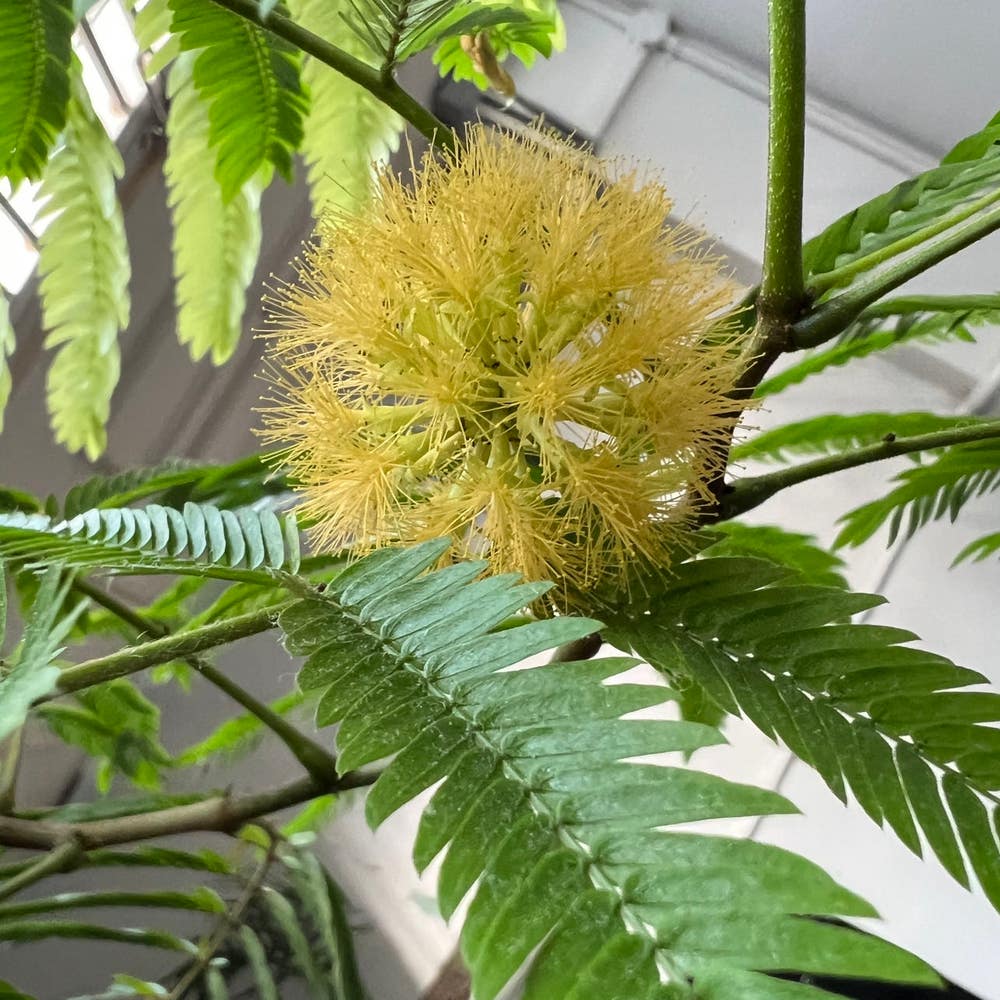
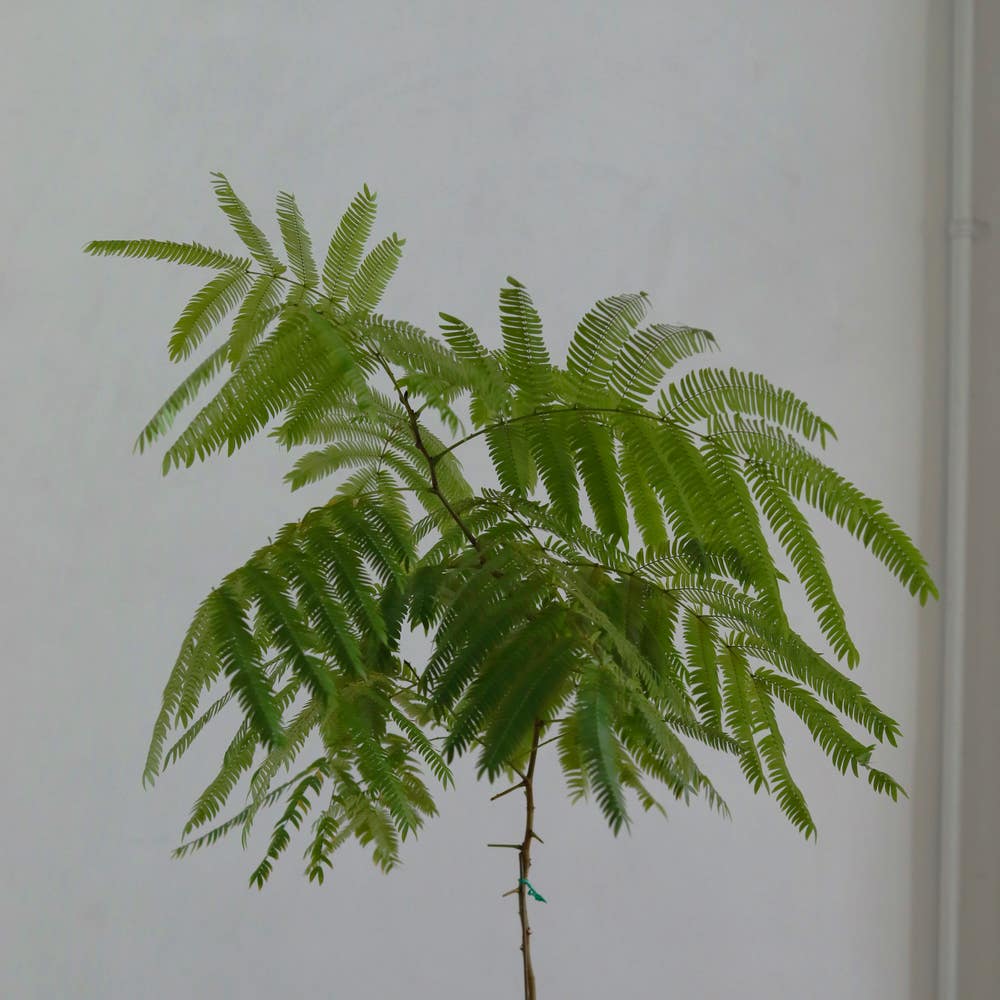
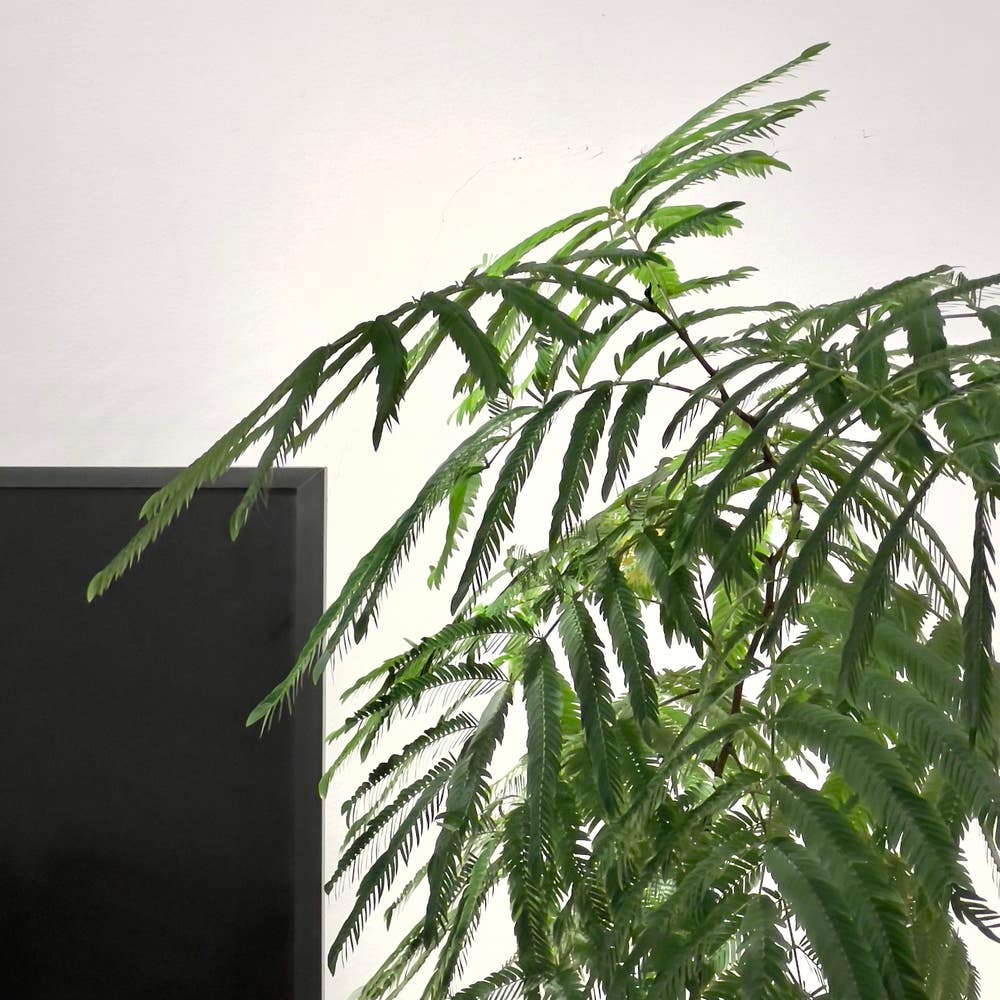
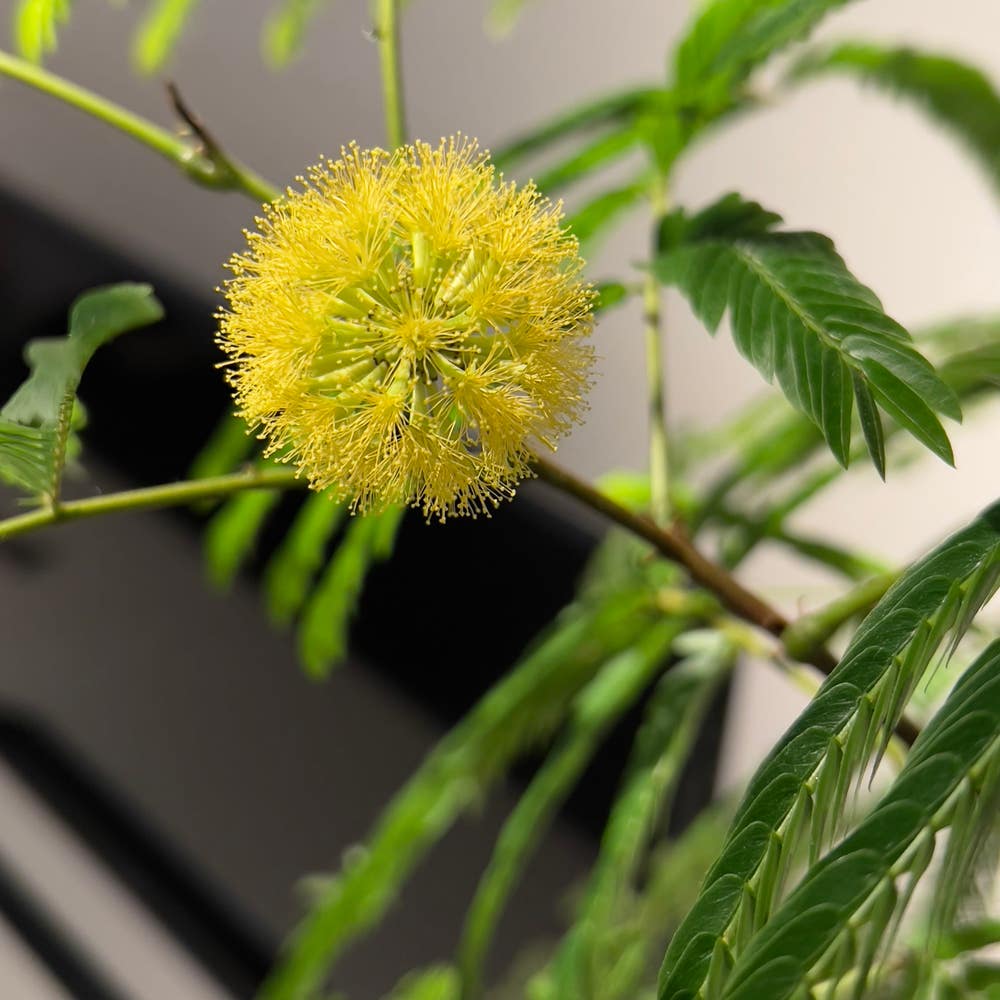
🌸 What Does It Mean When Albizia splendens Blooms?
Albizia splendens
By the Greg Editorial Team
Jun 18, 2024•5 min read
This article was created with the help of AI so we can cover more plants for you. May contain errors. See one? Report it here.
- Seasonal rhythm and climate influence Albizia splendens blooming times.
- Full sun, well-draining soil, and phosphorus boost blooming potential.
- Pruning and health checks are crucial for vibrant, healthy blooms.
When Do the Flowers Show Up?
🌸 Seasonal Blooming Habits
Albizia splendens, a member of the legume family, unfurls its blooms in a seasonal rhythm. The exact timing can shift with local climate variations, so it's wise to consult regional forecasts or botanical experts for specifics.
🕰 Age and Maturity: When to Expect the First Blooms
Patience is key with young Albizia splendens; they don't rush into their floral debut. Typically, these trees reach blooming maturity over time, much like their botanical cousin, the Arabian Jasmine, which also requires a growth period before showcasing flowers.

Encouraging Albizia Splendens to Bloom
🌞 Sunlight and Shade: Finding the Sweet Spot
Albizia splendens is like a sunbather—too much shade, and it won't tan; too much sun, and it burns. Aim for a balance. Full sun is the sweet spot, but during scorching summer afternoons, a little shade won't hurt. It's all about mimicking the tree's natural environment.
💧 Soil and Water: Laying the Foundation for Flowers
The right soil is like a comfy bed for Albizia splendens—it has to be just right. Go for well-draining soil that's not too clingy with moisture. Watering should be Goldilocks-style: not too much, not too little. Keep the soil moist but not waterlogged to avoid root rot.
🍽️ The Right Nutrition: Fertilizing for Flowers
Nutrients are the secret sauce for Albizia splendens blooms. Phosphorus is your wingman here, boosting those blooms. A balanced fertilizer with a slight edge on phosphorus, applied in spring through early summer, will do the trick. Remember, over-fertilizing is like overeating—it's just as bad, so keep it in check.

Pruning: Shaping Your Tree for Better Blooms
✂️ Strategic Cuts for Flowering Success
Pruning isn't just a chop job; it's a strategic move to boost your Albizia splendens' flower show. Timing is crucial—prune after the blooming cycle to avoid cutting off new buds. Early spring is prime time, setting the stage for the season's growth.
Best Practices for Pruning Albizia Splendens
- Clean and Sharp: Always use clean, sharp tools. It's like surgery for your tree—precision is key.
- Shape with Purpose: Aim for a shape that maximizes light exposure and promotes health. Each cut should enhance the tree's structure and flowering potential.
- Light Structural Thinning: Remove crowded branches to improve air circulation. This isn't just about looks; it's about giving your tree the room to breathe and bloom.
- Deadheading: Snip off spent flowers to redirect energy to new blooms. It's the tree's version of focusing on the future rather than dwelling on the past.
- Avoid Over-Pruning: Less can be more. Overdoing it can stress the tree, leading to fewer flowers. Think of it as a trim, not a buzz cut.
- Post-Pruning Care: After you've played tree stylist, pamper your Albizia splendens with the right mix of sunlight, water, and nutrients to recover and gear up for the next blooming bonanza.

Overcoming Bloom Blockers
🌸 Common Culprits Preventing Blooms
Stress factors are the arch-nemeses of Albizia splendens' blooms. To combat these villains, first, check if your tree is pot-bound. This can cramp its style, literally stifling its flowering mojo. Next, assess your watering habits; both over and under-watering can send your tree into a tizzy, and a stressed tree is as likely to bloom as a cactus is to give a hug.
Temperature fluctuations can also throw your tree for a loop. Imagine trying to dance the cha-cha in a room where the temperature randomly swings from sauna to icebox. Not ideal, right? Consistency is key. Keep the growing environment as stable as possible to avoid confusing your floral friend.
🌿 Health Check: Ensuring Your Tree is Bloom-Ready
When it comes to pests and diseases, think of yourself as a plant detective. Brown spots or wilting? Time to don your Sherlock Holmes hat. These symptoms can be the smoke signals of underlying issues. Regular check-ups are as crucial for your tree as they are for your car; catch problems early, and you'll save yourself a heap of trouble.
If you spot unwelcome guests like insects or the telltale signs of disease, don't dilly-dally. Treat with insecticide or neem oil stat. And remember, quarantine new plants as if they're showing up to a potluck with a mystery dish—you never know what they might bring to the party.
Nutrient imbalances can also be a buzzkill for blooms. Too much fertilizer can burn roots faster than a hot skillet, while too little leaves your tree pining for more. Aim for a balanced diet; it's the difference between a gourmet meal and a fast-food snack. If you suspect over-fertilization, consider giving the soil a good flush to wash away excess salts.
Lastly, don't underestimate the power of pruning. But be cautious—over-pruning can leave your tree as frazzled as a cat in a bathtub. Use clean, sharp tools and cut with purpose. It's like giving your tree a pep talk; do it right, and it'll thank you with a shower of blooms.
⚠️ Safety First
This content is for general information and may contain errors, omissions, or outdated details. It is not medical, veterinary advice, or an endorsement of therapeutic claims.
Always consult a qualified healthcare professional before using any plant as food, medicine, or supplement.
Never eat any plant (or feed one to pets) without confirming its identity with at least two trusted sources.
If you suspect poisoning, call Poison Control (800) 222-1222, the Pet Poison Helpline (800) 213-6680, or your local emergency service immediately.
Spotted an error? Please report it here.
Ensure your Albizia splendens blooms beautifully 🌸 with Greg's tailored care plans and pruning alerts, crafted for your tree's growth and local climate.