Why Is My Albizia splendens Dropping Leaves?
Albizia splendens
By the Greg Editorial Team
Jun 18, 2024•4 min read
This article was created with the help of AI so we can cover more plants for you. May contain errors. See one? Report it here.
- Seasonal leaf drop is normal, but erratic patterns signal stress.
- Pests, diseases, and nutrient deficiencies can cause leaf drop.
- Adjust care and fertilization to prevent and address issues.
Spotting the Signs: What Leaf Drop Looks Like in Albizia Splendens
🍁 Visual Symptoms
Discoloration and spots on leaves are like red flags waving at a bull; they demand attention. Albizia splendens leaves should be vibrant, not sporting a collection of unsightly marks. Brown or black spots could be a cry for help, indicating potential fungal foes like leaf spot or the dreaded powdery mildew, which leaves a telltale white residue. If you spot leaves looking more like a Dalmatian than a tree, it's time to take action.
📅 Seasonal Patterns
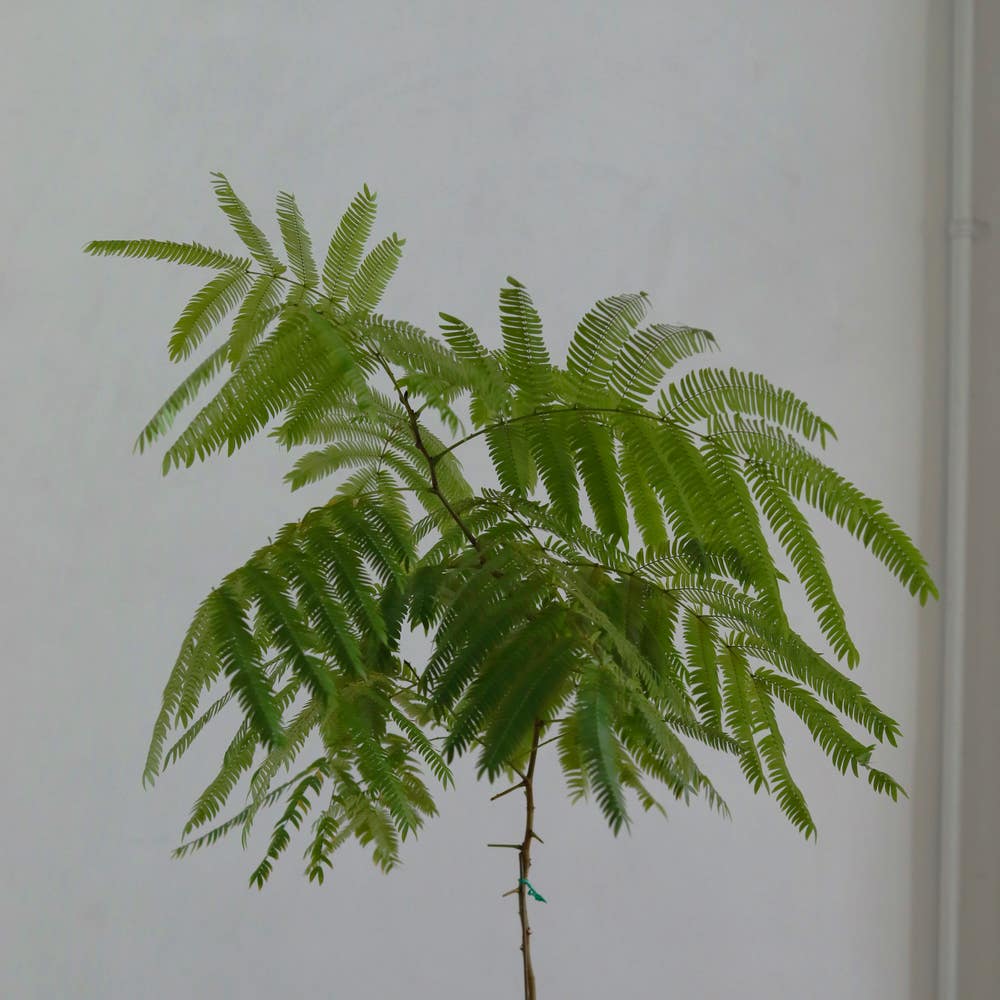
Leaf drop in Albizia splendens has its own rhythm. A few leaves drifting down now and then is the tree's version of a light spring cleaning. However, if your tree starts shedding like a dog in summer, it's a sign that something's up. Consistent leaf loss is part of the natural cycle, but erratic, out-of-season drop-offs signal that your tree is more than just a little stressed out. Keep an eye on the calendar and your tree; they should be in sync.

Root of the Problem: Common Causes for Concern
🌡️ Environmental Stressors
Temperature extremes and improper watering are like silent assassins for Albizia splendens. They can cause your tree to shed leaves as if it's going out of style. Ensure your tree isn't placed in the plant equivalent of a sauna or an icebox. Poor soil drainage is another culprit, turning roots into a soggy mess. Keep your tree's feet dry to avoid a leaf-dropping tantrum.
🐜 Unwanted Guests: Pests and Diseases
Spider mites and aphids are the party crashers you didn't invite. They suck the life out of your Albizia's leaves, leaving them speckled and sad. Fungal foes like root rot and leaf spots thrive in moisture Disneyland, so don't let your soil turn into a theme park for fungi. Be vigilant and evict these unwanted guests with a swift swipe of insecticidal soap or a dash of fungicide.
🍽️ Nutrient Know-How
Yellowing leaves might be crying out for nitrogen. A potassium shortage can turn your Albizia into a wallflower at the nutrient dance. And let's not forget about magnesium; without it, your tree might as well be on a hunger strike. Keep an eye out for these signs and respond with a balanced meal of slow-release fertilizer. Remember, a well-fed Albizia is a happy Albizia.

Getting to the Bottom: Diagnosing the Drop
🔍 Investigating the Roots
Root health is critical to your Albizia splendens. To check for root rot, you'll need to get your hands dirty—literally. Gently unearth a portion of the root system. Healthy roots are firm and white, while rotten ones are mushy and brown. Sniff test? Yes, do it. If it smells like decay, you've got a problem.
🍃 Leaf Analysis
Your Albizia's leaves are like a mood ring for its health. Yellowing leaves can signal overwatering or poor drainage. Brown edges? Your tree might be thirsty or craving humidity. If new growth is distorted or black-tipped, and leaves are drooping or dropping, it's time for a plant intervention. Keep a sharp eye on these symptoms—they're your clues to act fast.

Turning Over a New Leaf: Solutions and Prevention
💡 Environmental Tweaks
Adjusting care is crucial for your Albizia splendens to prevent stress-induced leaf drop. Ensure your tree is not subjected to temperature extremes; it's not a fan of the sauna or the icebox. Consistent watering is key—too much or too little can send leaves plummeting. And let's talk soil drainage; it should be quick enough to avoid wet feet but retain enough moisture to quench thirst.
🛡️ Battling Bugs and Blights
When it comes to pests and diseases, vigilance is your best weapon. Regularly inspect leaves for uninvited guests like spider mites or aphids. If you spot these freeloaders, show them the door with neem oil or insecticidal soap. For fungal foes, prune with precision and consider a fungicide—but don't go wild, use it as directed.
🍽️ Feeding Your Albizia Right
Your Albizia's diet can make or break its health. Nutrient shortages are like skipped meals—they lead to weakness and leaf loss. A balanced fertilizer is your tree's best friend, but remember, it's possible to have too much of a good thing. Over-fertilization is the helicopter parent of the plant world; it can smother rather than support.
⚠️ Safety First
This content is for general information and may contain errors, omissions, or outdated details. It is not medical, veterinary advice, or an endorsement of therapeutic claims.
Always consult a qualified healthcare professional before using any plant as food, medicine, or supplement.
Never eat any plant (or feed one to pets) without confirming its identity with at least two trusted sources.
If you suspect poisoning, call Poison Control (800) 222-1222, the Pet Poison Helpline (800) 213-6680, or your local emergency service immediately.
Spotted an error? Please report it here.
Combat leaf drop and keep your Albizia splendens thriving 🌿 with Greg's tailored care plans and instant pest diagnosis.