🌳 Splendid Albizia Is a Perennial
Albizia splendens
By the Greg Editorial Team
Sep 29, 2024•6 min read
This article was created with the help of AI so we can cover more plants for you. May contain errors. See one? Report it here.
- 🌱 Splendid Albizia thrives for 20-30 years, making it a long-term gardening investment.
- 🌸 Blooms peak in late spring, attracting pollinators and enhancing garden beauty.
- 🌞 Optimal care includes well-drained soil and regular moisture monitoring for robust growth.
Characteristics of Splendid Albizia as a Perennial
🌱 Multi-Year LifSplendid Albizia Albizia shosoiles a fascinating multi-year lifecycle, beginning as a seedling and evolving into a mature tree. Under optimal conditions, it can thrive for 20 to 30 years, offering a long-term investment for any garden.
🌳 Growth Patterns and Regrowth from Roots
The growth patterns of Splendid Alroota are distinctly seasonal. In spring, it emerges with fresh foliage, followed by vigorous growth in summer, and prepares for dormancseasonal changes## Mechanism of Root Regrowth
One of the plant's remarkable features is its ability to regrow from roots. This mechanism allows it to conserve energy and resources, ensuring a robust comeback each growing season.
📅 Seasonal Growth Cycles
Understanding these seasonal growth cycles is crucial for gardeners. By recognizing when the plant is actively growing or resting, you can tailor your care to support its health and vitality.
⚡ Energy Conservation Strategies
Throotergy conservation strategies employed by Splendid Albizia are vital for its survival. During dormancy, the plant focuses on protecting its roots, Splendid Albiziae for a successful resurgence in spring.
This perennial's unique characteristics not only enhance its beauty but also make it a resilient choice for gardeners. As we explore its imptemperatureth and flowering next, you'll see how these traits contribute to its overall appeal.
Impact of Pereseasonal changesGrowth and Flowering
🌸 Flowering Cycles and Patterns
The Splendid Albizia showcases its beauty through distinct flowering cycles. Typically, peak bloom periods occur in late spring to early summer, marking a vibrant display that attracts a variety of pollinators.
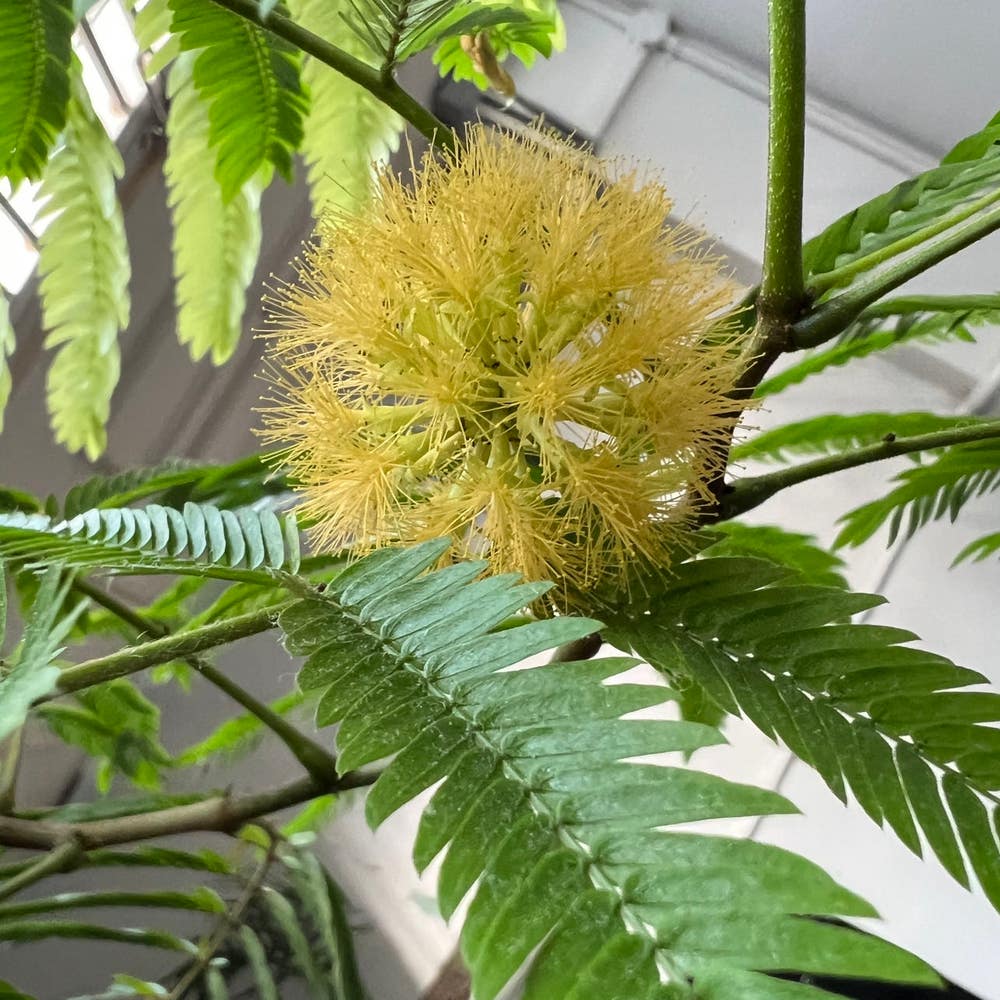
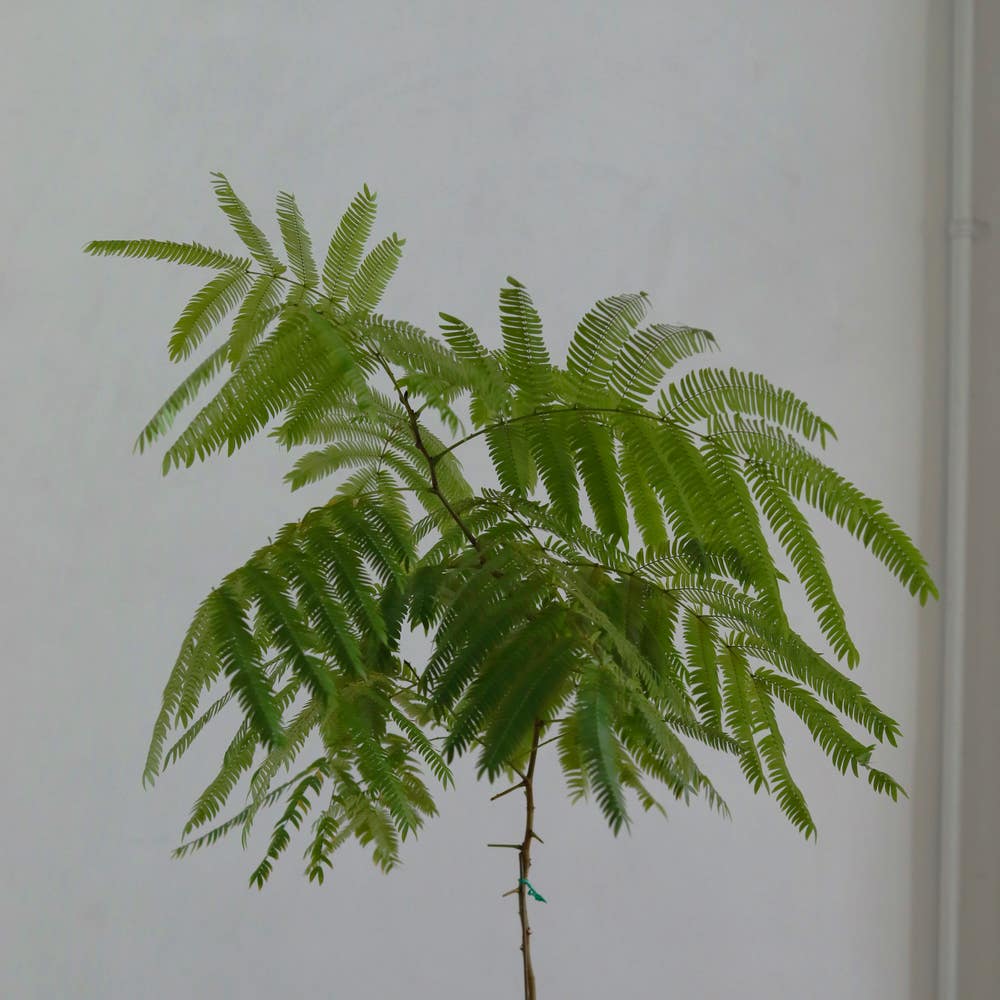
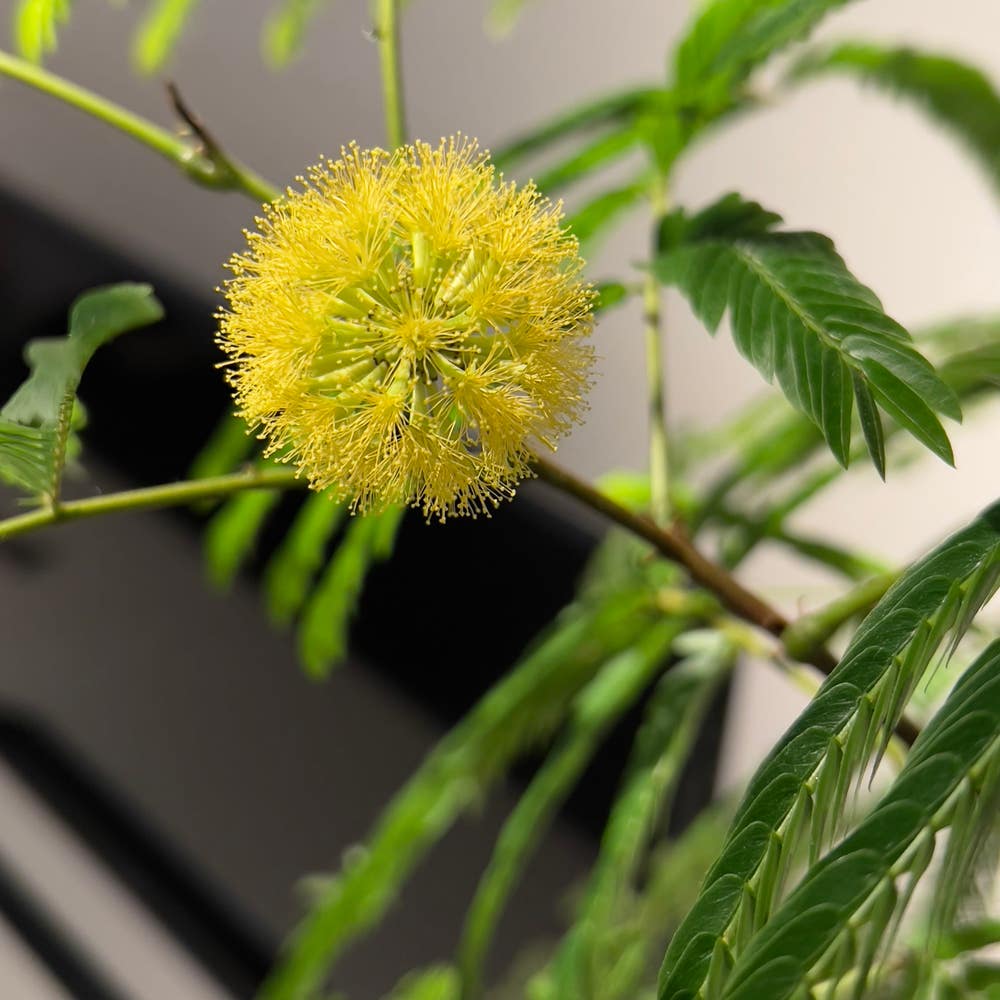
These flowers are not just visually appealing; they feature feathery foliage and fluffy pink blooms. This unique appearance plays a crucial role in drawing in bees and butterflies, enhancing the garden's biodiversity.
🌱 Overall Lifespan and Health
Several factors influence the health of Splendid Albizia, including soil quality, water availability, and sunlight exposure. Ensuring these elements are optimal can significantly enhance the plant's growth and flowering.
The perennial nature of Splendid Albizia contributes to its long-term stability and resilience. Over the years, it establishes a robust root system that supports its overall health, allowing it to thgarden stabilitys-than-ideal conditions.
As we explore the dormancy and seasonal changes of this remarkable plant,garden designr how it adapts to the rhythms of naturAlbiziaDormancy and Seasonal Changes
Description of Dormancy Periods 🌨️
Splendid Albizia enters dormancy during the colder months, typically in late fall. This natural pause is crucial for the tree, allowing it to conserve energy and protect its roots from harsh conditions.
Dormancy is not just a break; it’s a survivaclimate zonesy slowing down growth, the tree can focus on maintaining its root system, ensuring it’s ready to thrive when spring arrives.
Seasonal Changes Throughout the Year 🌸
As seasons shift, so does the foliage of Splendid Albizia. In colder months, the tree sheds its leaves, a protective measure against freezing temperatures.
When spring returns, expect a burst of new growth. The tree’s abilifloweringpt to temperature fluctuations showcases its resilience, making it a reliable choice for gardens.
Understanding these seasonal changes helps gardeners anticipate care needs, ensuring the tree remains healthy and vibrant year after year.
AdvantageSoilr Gardeners
Benefits of Reduced Replanting 🌱
One of thSplendid AlbiziataWell-drained soils Splendid Albizia is the significant cost-effectivenerobust growth By investing in this perennial, gardeners save on seeds and plants over time, making Droughtsrt choice for budget-conscious green thumbs.
Additionally, the convenience factor cannot be overstated. With fewer replanting needs, maintaining a perennial garden becomes less labor-intensive, allowing you to enjoy your outdoor space without the constant upkeep.
Importanceconditionsished Root Systems 🌳
The deep root systems of Splendid Albizia provide remarkable benefits, particularly in terms of drought resistance. These roots tap into moisture reserves, ensuring the plant thrives even during dry spells.
Moreover, established roots contribute to overall garden stability. They help anchor the plant, proSplendid Albiziaer ecosystem and enhancing the resilience of your garden design. This stability not only supports the Albizia but alsorganic matterghboring plants, creating a harmonious environment.
As ysoil moisturehe advantages of wateringating Splendid Albizia into your garden, remember that its perennial nature not only simplifies your gardening efforts but also enriches the overall landscape. Next, let’s explore how variations across climate zones can influence the growth and flowering of this remarkable tree.
Variations Across Climate Zones
🌍 Influence of Different Climate Zones
Splendid Albizia showcases remarkable adaptability, thriving in both warm temperate and tropical regions. This flexibility allows it to flourish in diverse environments, making it a popular choihealthy developmentross various climates.
Growth and flowering patterns can vary significantly based on local climate conditions. In warmer areas, you might see earlier blooms and more vigorous growth, while cooler regions may delay flowering and slow down overall development.
⏳ Factors Affecting Longevity
Soil quality plays a crucial role in the health and lifespan of Splendid Albizia. Well-drained soils are essential, as they prevent root rot and promote robust growth.
Environmental stressors, such as extreme weather, can also impact growth patterns. Droughts, heavy rains, or unexpected frosts may challenge the plant's resilience, but with proper care, it can adapt and continue to thrive.
Understanding these variations can help you make informed decisions about planting and caring for Splendid Albizia in your garden. With the right conditions, this perennial can be a stunning addition to your landscape, offering beauty and stability for years to come.
As we explore the next section, we'll delve into maximizing the benefits of Splendid Albizia in your garden planning.
Maximizing Benefits in Garden Planning
Tips for Long-Term Cultivation 🌱
To ensure your Splendid Albizia thrives, start with the right planting techniques. Choose a well-drained location and prepare the soil by mixing in organic matter to enhance fertility.
Regular care is crucial. Monitor soil moisture and adjust your watering schedule according to seasonal changes, ensuring the plant receives adequate hydration without becoming waterlogged.
Strategies for Integrating into Garden Designs 🌼
Companion planting can significantly boost the health of your Splendid Albizia. Pair it with plants that share similar water and sunlight needs, creating a harmonious ecosystem that promotes growth.
When designing your garden, consider spacing carefully. Adequate distance between plants allows for optimal sunlight exposure and airflow, reducing the risk of disease and promoting healthy development.
By implementing these strategies, you can maximize the benefits of your Splendid Albizia, ensuring a vibrant and resilient garden. As you plan, remember that thoughtful integration and ongoing care will lead to a flourishing landscape.
⚠️ Safety First
This content is for general information and may contain errors, omissions, or outdated details. It is not medical, veterinary advice, or an endorsement of therapeutic claims.
Always consult a qualified healthcare professional before using any plant as food, medicine, or supplement.
Never eat any plant (or feed one to pets) without confirming its identity with at least two trusted sources.
If you suspect poisoning, call Poison Control (800) 222-1222, the Pet Poison Helpline (800) 213-6680, or your local emergency service immediately.
Spotted an error? Please report it here.
Cultivate the stunning Splendid Albizia for decades of beauty 🌳, and let Greg help you navigate its seasonal care needs for a thriving garden!