Ultimate Guide to What's Eating Your Green Amaranth 🐞
Amaranthus chlorostachys
By the Greg Editorial Team
Nov 23, 2024•4 min read
This article was created with the help of AI so we can cover more plants for you. May contain errors. See one? Report it here.
Safeguard your green amaranth from pesky herbivores 🐇 with these expert tips for a flourishing garden! 🌱
- 🌱 Green amaranth attracts herbivores like deer, rabbits, and squirrels due to its nutrition.
- 🚫 Effective deterrents include repellents, fencing, and companion planting to protect your plants.
- 🔍 Regular monitoring for herbivore signs ensures quick responses and plant health maintenance.
Appearance and Appeal
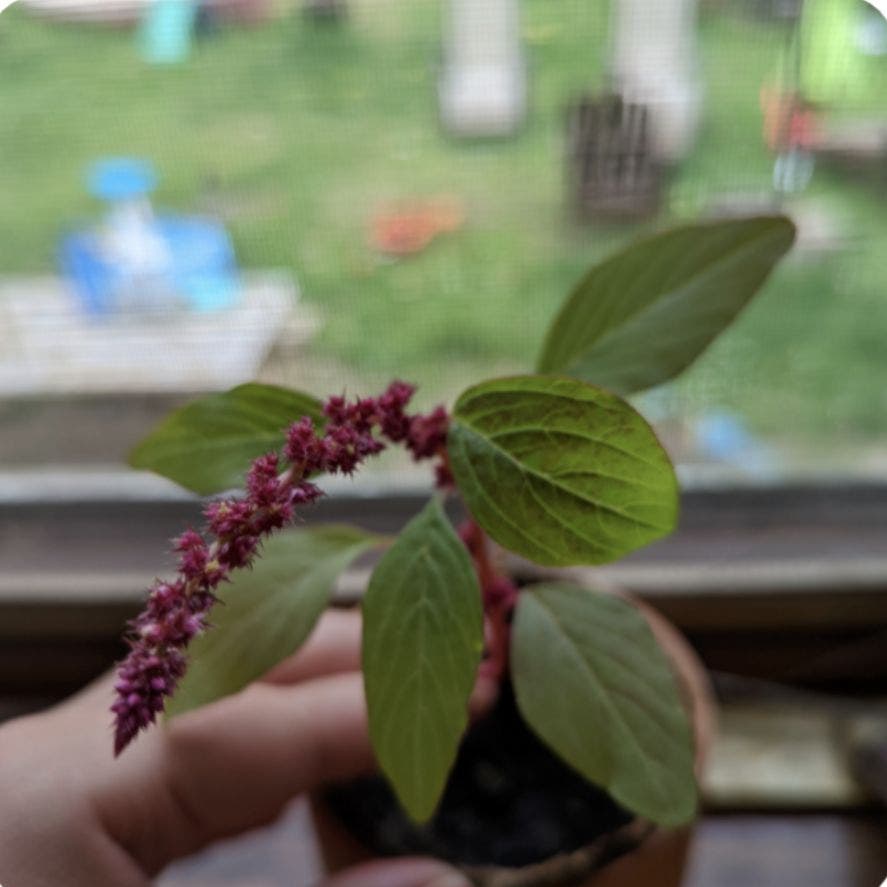
Green amaranth is a striking plant that typically grows between 2 to 4 feet tall. Its broad, ovate leaves have a smooth texture, making them visually appealing and inviting to both gardeners and herbivores alike.
🐾 Most Appealing Parts to Animals
Several parts of the green amaranth are particularly attractive to animals.
- Young shoots are tender and packed with nutrients, making them a favorite snack.
- Flowers are rich in nectar, drawing in various pollinators and herbivores.
- Seeds are nutrient-dense, providing a tasty treat for many creatures.
These characteristics not only enhance the plant's allure but also play a crucial role in its ecosystem. Understanding what makes green amaranth appealing can help you protect it from the herbivores that find it irresistible.
As we delve deeper into the common herbivores that target this plant, you'll gain insights into how to safeguard your green amaranth effectively.
Common Herbivores
🦌 Deer
Signs and Damage
Deer leave distinctive hoof prints that can be spotted around your garden. Look for irregular bites on leaves and stems, indicating they've been browsing on your green amaranth.
Interaction
These creatures can be particularly harmful, especially to young plants, as they can decimate entire patches in a short time.
Deterrent Methods (Difficulty: Moderate)
To keep deer at bay, consider using commercial deer repellents. Alternatively, planting strong-smelling herbs can act as a natural deterrent.
🐇 Rabbits
Signs and Damage
Rabbits are identifiable by their small, round droppings scattered around your garden. They tend to leave cleanly cut stems and leaves, showcasing their precise nibbling.
Interaction
These furry pests can limit plant growth significantly, making them a common nuisance for gardeners.
Deterrent Methods (Difficulty: Easy)
For a quick fix, rabbit repellent sprays can be effective. Additionally, fencing and using predator urine can help keep these critters away.
🐿️ Squirrels
Signs and Damage
Squirrels leave scratches on the soil as they dig around. They can cause significant damage by stripping bark and digging up roots.
Interaction
Generally, squirrels are harmful to your plants, leading to considerable damage if left unchecked.
Deterrent Methods (Difficulty: Moderate)
Capsaicin-based sprays can deter squirrels effectively. You might also consider using squirrel-proof feeders to keep them from raiding your garden.
🐦 Birds
Signs and Damage
Look for feathered droppings and peck marks as signs of bird activity. They can cause seed predation and flower destruction, impacting your plants' health.
Interaction
Birds have a mixed role; while they may damage seeds, they also help control insect populations.
Deterrent Methods (Difficulty: Easy)
Non-toxic bird repellents can help manage their presence. Hanging reflective objects can also deter birds from feasting on your plants.
🐭 Rodents
Signs and Damage
Rodents leave small holes and droppings as evidence of their presence. They gnaw on stems and roots, leading to significant plant loss.
Interaction
These pests are generally harmful, and their activities can result in considerable damage to your garden.
Deterrent Methods (Difficulty: Hard)
Consider using rodent bait stations for chemical control. Alternatively, trapping and natural repellents can provide organic solutions.
🦡 Groundhogs
Signs and Damage
Groundhogs create large burrows and leave chewed plants in their wake. They can completely remove young plants, causing devastation in your garden.
Interaction
These animals are generally harmful and can wreak havoc on your crops if not managed properly.
Deterrent Methods (Difficulty: Hard)
Commercial groundhog repellents can be effective, but fencing and planting deterrent plants may offer a more sustainable solution.
Understanding these common herbivores and their impact on your green amaranth is crucial for effective garden management. Next, we’ll explore general protection strategies to safeguard your plants from these hungry intruders.
General Protection Strategies
🛡️ Preventive Measures
Protecting your green amaranth starts with effective preventive measures. Fencing is a reliable barrier against larger herbivores like deer and groundhogs, ensuring your plants remain safe.
Another strategy is companion planting. By incorporating plants that naturally deter pests, you can create a more resilient garden ecosystem.
⚠️ Reactive Solutions
Even with preventive measures in place, monitoring your garden is crucial. Regularly check for signs of activity from herbivores to catch any potential issues early.
When you notice signs of damage, a quick response is essential. Implementing deterrents promptly can save your plants from further harm.
🌱 Seasonal Variations
Understanding seasonal variations can help you anticipate herbivore activity. In spring, expect increased activity from rabbits and deer as they emerge from winter.
As summer progresses, late summer brings a surge in birds and rodents. Being aware of these patterns allows you to adjust your protection strategies accordingly.
By combining preventive and reactive measures, you can effectively safeguard your green amaranth from various herbivores. This proactive approach not only protects your plants but also enhances your gardening experience.
⚠️ Safety First
This content is for general information and may contain errors, omissions, or outdated details. It is not medical, veterinary advice, or an endorsement of therapeutic claims.
Always consult a qualified healthcare professional before using any plant as food, medicine, or supplement.
Never eat any plant (or feed one to pets) without confirming its identity with at least two trusted sources.
If you suspect poisoning, call Poison Control (800) 222-1222, the Pet Poison Helpline (800) 213-6680, or your local emergency service immediately.
Spotted an error? Please report it here.
Keep your green amaranth thriving 🌱 by using Greg's custom alerts to monitor herbivore activity and implement effective deterrents for a flourishing garden!