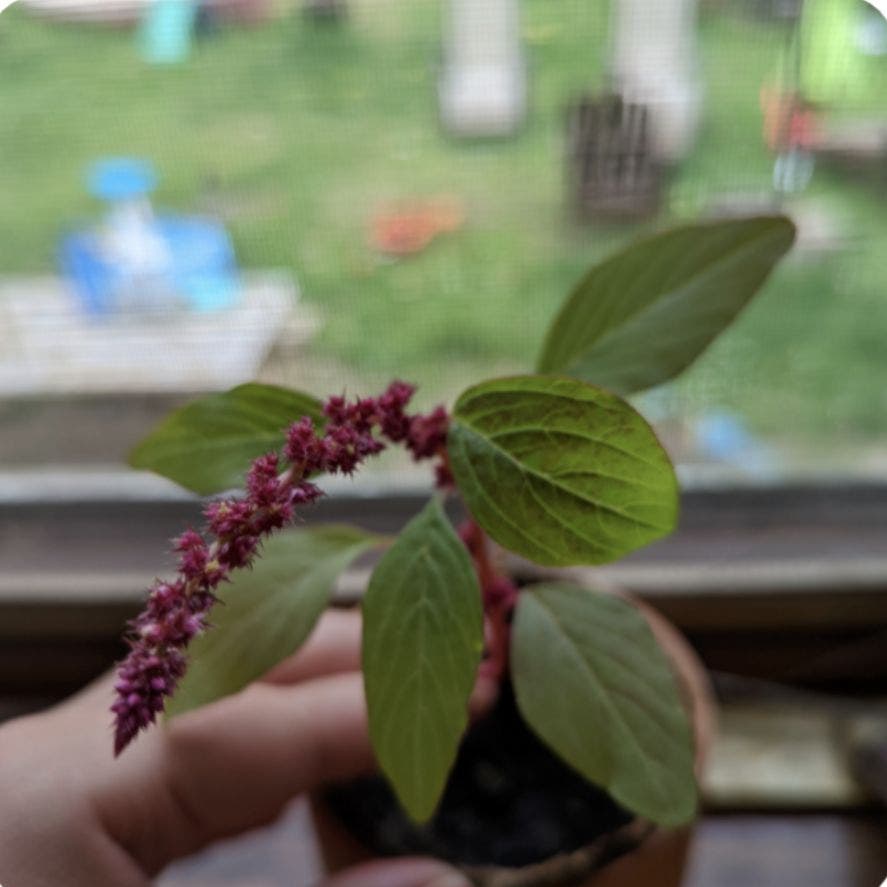
How to Fix Brown Spots on Your Green Amaranth 💧
Amaranthus chlorostachys
By the Greg Editorial Team
Nov 23, 2024•5 min read
This article was created with the help of AI so we can cover more plants for you. May contain errors. See one? Report it here.
Revitalize your Green Amaranth 🌱 by mastering the art of preventing and treating pesky brown spots!
- 🌱 Brown spots on Green Amaranth stem from nutrient deficiencies, pests, or fungal infections.
- 🔍 Diagnose issues by observing leaf color, texture, and patterns for effective treatment.
- 🌿 Prevent brown spots with proper watering, nutrient balance, and good airflow around plants.
Causes of Brown Spots
🌱 Nutrient Deficiencies
Brown spots on your Green Amaranth can often be traced back to nutrient deficiencies.
- Nitrogen deficiency typically manifests as yellowing leaves with brown edges, signaling that your plant is not getting enough of this essential nutrient.
- Potassium deficiency presents as brown spots surrounded by yellow halos, indicating a lack of this vital nutrient for overall plant health.
- Magnesium deficiency leads to interveinal chlorosis, where the areas between the veins turn yellow while the veins themselves remain green, often accompanied by brown spots.
To combat these issues, balanced fertilization is crucial for Amaranth care. Regularly testing your soil and adjusting nutrient levels can help maintain vibrant, healthy plants.
🍄 Fungal Infections
Fungal infections are another common culprit behind brown spots on leaves.
- Leaf spot disease is characterized by dark brown or black spots with yellow margins, which can spread quickly if not addressed.
- Powdery mildew appears as a white powdery coating on leaves, leading to browning and eventual leaf drop.
These fungal issues thrive in conditions of high humidity and poor air circulation. Ensuring good airflow around your plants can help prevent these infections from taking hold.
🐛 Pest Infestations
Pests can also wreak havoc on your Green Amaranth, leading to unsightly brown spots.
- Aphids are small insects that cause curling leaves and leave behind a sticky residue, indicating their presence.
- Spider mites create stippled leaves and webbing, which can severely affect leaf health.
The impact of these pests can lead to stress in the plant, further contributing to the development of brown spots. Regular monitoring and prompt action are essential for keeping these pests at bay.
Understanding these causes is the first step in addressing brown spots on your Green Amaranth. Next, we will explore how to diagnose these issues effectively.
Diagnosing Brown Spots
Identifying Symptoms 🌿
When diagnosing brown spots on your green amaranth, start by observing the color and texture of the spots. Dark brown spots typically indicate a more severe issue, while yellowing may suggest nutrient deficiencies.
Next, consider the location of the affected leaves. Older leaves often show signs of stress first, while new growth might be less impacted. This examination is crucial for a comprehensive diagnosis.
Differentiating Between Causes 🔍
Understanding the difference between nutrient deficiencies and diseases is key to effective treatment. Nutrient deficiencies usually present as uniform patterns across the leaves, whereas diseases often manifest as irregular spots.
Pest damage can be identified by the presence of visible insects or webbing on the plant. This distinction helps you target the right solution for your amaranth's health issues.
By accurately diagnosing the problem, you can take the necessary steps to restore your plant's vitality. Next, let’s explore treatment options to address these brown spots effectively.
Treatment Options
🌱 Organic Remedies for Fungal Infections
Fungal infections can wreak havoc on your Green Amaranth, but there are effective organic remedies. Neem oil is a popular choice; apply it every 7-14 days, ensuring thorough coverage on affected leaves.
Another effective treatment is a baking soda solution. Mix one tablespoon of baking soda with a gallon of water and spray it on the leaves weekly. Early intervention is crucial for controlling these infections before they spread.
💧 Adjusting Watering Practices
Proper watering is essential for maintaining healthy plants. Always check soil moisture levels before watering; the top inch of soil should be dry to the touch.
Be mindful of the signs of overwatering, such as yellowing leaves and root rot, versus underwatering, which can cause wilting. A recommended watering schedule for Green Amaranth is to water deeply once a week, adjusting based on weather conditions.
🌿 Nutrient Supplementation
To support your Amaranth's health, consider nutrient supplementation. Use balanced NPK fertilizers with an application rate of about one tablespoon per gallon of water, applied every four to six weeks during the growing season.
For organic options, compost and worm castings can enrich the soil. After supplementation, look for signs of improvement, such as vibrant green leaves and robust growth.
🐞 Pest Control Methods
Pest control is vital for preventing brown spots caused by infestations. Implement integrated pest management strategies, starting with natural predators like ladybugs, which can help control aphid populations.
In addition, consider using insecticidal soaps. Apply these soaps in the early morning or late evening to avoid harming beneficial insects. Always follow safety guidelines to protect both your plants and the environment.
With these treatment options, you can effectively combat brown spots and ensure your Green Amaranth thrives. Next, let’s explore preventive measures to keep your plants healthy and vibrant.
Preventive Measures
💧 Proper Watering Techniques
Watering your Green Amaranth correctly is crucial for its health. Aim to water deeply but infrequently, allowing the soil to dry out between sessions.
Regularly monitor soil moisture levels to avoid both overwatering and underwatering. This practice helps maintain the right balance for your plants.
🌱 Soil Health and Fertility
Soil testing is essential for optimal growth. Aim for a pH level between 6.0 and 7.0 to ensure your Amaranth thrives.
Incorporating organic matter into your soil can significantly improve its structure and fertility. This simple step can lead to healthier plants and better yields.
☀️ Sunlight and Temperature Management
Green Amaranth loves the sun! Ensure it receives full sun exposure for 6 to 8 hours daily to promote robust growth.
Be mindful of temperature extremes. Providing shade during peak heat and protecting your plants from frost can make a significant difference in their overall health.
By implementing these preventive measures, you can create an ideal environment for your Green Amaranth, reducing the risk of brown spots and other issues. Next, let's explore effective treatment options if you do encounter problems.
⚠️ Safety First
This content is for general information and may contain errors, omissions, or outdated details. It is not medical, veterinary advice, or an endorsement of therapeutic claims.
Always consult a qualified healthcare professional before using any plant as food, medicine, or supplement.
Never eat any plant (or feed one to pets) without confirming its identity with at least two trusted sources.
If you suspect poisoning, call Poison Control (800) 222-1222, the Pet Poison Helpline (800) 213-6680, or your local emergency service immediately.
Spotted an error? Please report it here.
Keep your Green Amaranth spot-free 🌿 by using Greg's tailored care tips and reminders to ensure it gets the nutrients and attention it needs to thrive!