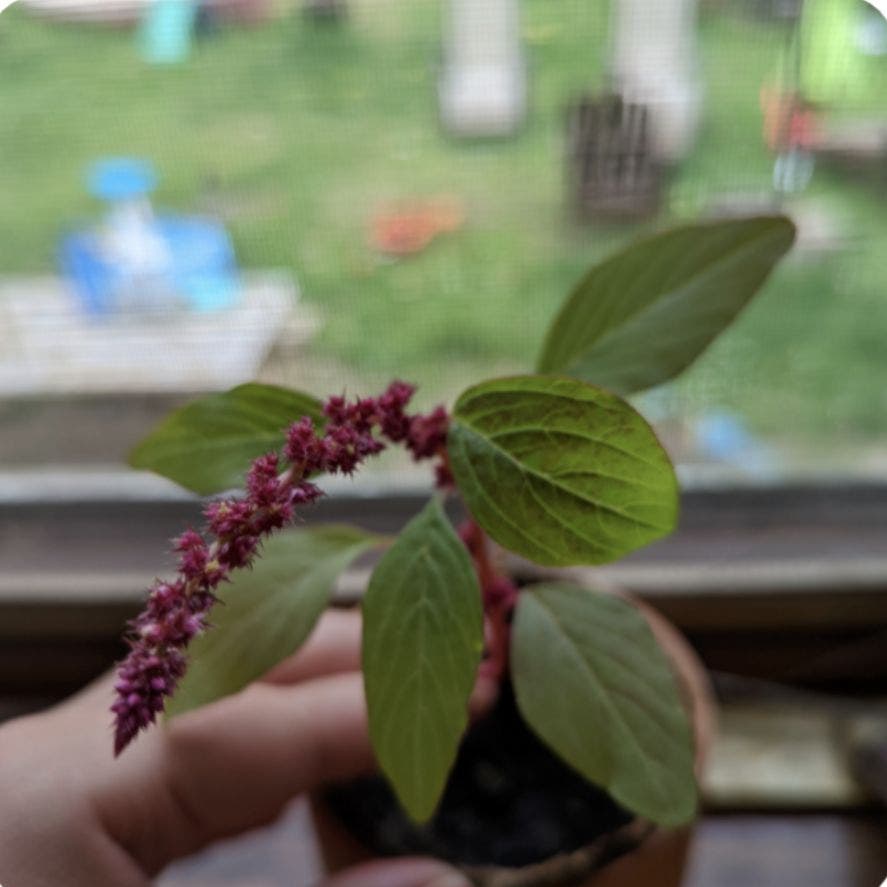
🌿 Green Amaranth: An Annual Plant
Amaranthus chlorostachys
By the Greg Editorial Team
Nov 23, 2024•8 min read
This article was created with the help of AI so we can cover more plants for you. May contain errors. See one? Report it here.
Unlock your garden's potential with Green Amaranth's vibrant growth and adaptable nature! 🌱🌼
- 🌱 Green Amaranth grows rapidly, completing its lifecycle in a single season.
- 🌞 It thrives in various climates, adapting to both warm and cooler temperatures.
- 🌼 Thousands of seeds per plant enhance survival and colonization potential.
Characteristics of Green Amaranth as an Annual
🌱 Lifecycle
Green Amaranth begins its lifecycle with germination, which thrives under optimal conditions such as warm soil temperatures and adequate moisture. Once the seeds sprout, the plant progresses through distinct growth stages: seedling, vegetative, flowering, and seed production.
The average duration for each stage varies, but typically, germination takes about 5 to 10 days. Following this, the seedling stage lasts around 2 to 3 weeks, while the vegetative phase can extend from 4 to 8 weeks, leading to flowering and seed production, which can occur within 10 to 12 weeks after germination.
📈 Growth Patterns and Stages
Green Amaranth exhibits a robust growth habit, often reaching heights of 3 to 6 feet. Its leaves are broad and vibrant, contributing to its lush appearance, while branching can vary based on environmental conditions.
Seasonal changes significantly influence its growth. During warmer months, the plant flourishes, but it can adapt to cooler temperatures by slowing its growth. This adaptability allows it to thrive in a variety of soil types and climates, making it a resilient choice for gardeners.
🌼 Reproductive Strategies and Seed Production
The reproductive strategy of Green Amaranth is fascinating, as it employs mechanisms of flowering and seed production that ensure its survival. The plant produces small, clustered flowers that are highly effective for pollination, leading to abundant seed formation.
Seed dispersal occurs through various methods, including wind, water, and animal interactions. This diversity in dispersal strategies enhances its chances of colonization, as seeds can travel far from the parent plant.
On average, a single Green Amaranth plant can produce thousands of seeds, which significantly boosts its survival rate. This high seed output is crucial for establishing new populations, especially in disturbed environments where competition is fierce.
As we explore the evolutionary advantages of being an annual plant, we will uncover how these traits contribute to the success of Green Amaranth in diverse ecosystems.
Evolutionary Advantages
Benefits of Being an Annual Plant 🌱
Green Amaranth thrives as an annual plant due to its rapid lifecycle and remarkable adaptability. This quick turnaround allows it to capitalize on favorable conditions, ensuring survival and reproduction within a single growing season.
Annuals like Green Amaranth are masters of resource allocation. They focus their energy on swift growth and prolific seed production, maximizing their chances of thriving in unpredictable environments.
Adaptation Strategies 🌍
Green Amaranth showcases impressive adaptability, thriving in various environmental conditions. It flourishes in both arid and nutrient-poor soils, demonstrating resilience that many other plants struggle to match.
To cope with challenges like drought and competition, Green Amaranth employs several strategies. These include developing deep root systems to access moisture and adjusting its growth patterns to optimize resource use.
Genetic diversity plays a crucial role in the survival of Green Amaranth. This diversity enhances its ability to adapt to changing conditions, ensuring that some individuals can withstand environmental stresses while others may not.
As we explore the impact of its annual lifecycle, we’ll see how these evolutionary advantages translate into practical benefits for gardeners and ecosystems alike.
Impact of Annual Lifecycle
🌱 Growth and Flowering Timeline
The lifecycle of Green Amaranth is a fascinating journey that unfolds over several key phases. Typically, it begins with germination, where seeds sprout under optimal conditions, followed by growth stages that include seedling, vegetative, flowering, and ultimately, seed production.
Each phase has its own timeline. The seedling stage usually lasts about 2-3 weeks, while the vegetative phase can extend to 4-6 weeks. Flowering typically occurs around 6-8 weeks after germination, leading to seed production, which can take an additional 4-6 weeks.
🌡️ Factors Influencing Flowering
Several factors influence when Green Amaranth flowers. Temperature plays a crucial role; warmer conditions often trigger earlier flowering. Light availability is another significant factor, as longer days can accelerate the process.
Moisture levels are equally important. Adequate water supply not only supports growth but also ensures that flowering occurs at the right time, maximizing seed production and overall plant fitness.
🌾 Seed Production and Dispersal Mechanisms
Seed production in Green Amaranth is a well-orchestrated process involving pollination and fertilization. Pollination typically occurs through wind or insects, ensuring genetic diversity and robust seed development.
Once fertilization happens, the plant can produce an impressive quantity of seeds. This high seed output is a strategic advantage, allowing for greater survival rates and colonization of new areas.
⏰ Timing of Seed Dispersal
The timing of seed dispersal is closely linked to environmental conditions. Seeds are often released when conditions are favorable for germination, ensuring that the next generation has the best chance to thrive.
In many cases, this means dispersal occurs in late summer or early fall, coinciding with optimal moisture and temperature levels. This strategic timing not only enhances survival but also supports the plant's ongoing lifecycle.
As we explore the evolutionary advantages of being an annual plant, we’ll uncover how these strategies contribute to Green Amaranth's success in various environments.
Variations and Exceptions
🌱 Instances of Atypical Behavior
Green Amaranth can exhibit atypical growth patterns under specific conditions. For instance, extreme temperatures or nutrient imbalances can lead to stunted growth or delayed flowering.
Variations in flowering and seed set often arise from environmental stressors. Factors like drought or excessive rainfall can disrupt the plant's reproductive cycle, affecting seed production and viability.
🌿 Hybridization with Other Amaranth Species
Hybridization is another fascinating aspect of Green Amaranth's adaptability. When different Amaranth species coexist, they can cross-pollinate, leading to unique traits in the offspring.
This genetic mixing can enhance resilience, allowing these hybrids to thrive in varied environments. However, it can also complicate the identification of pure species.
🌍 Factors Influencing Variations
Soil quality plays a crucial role in the growth and reproductive success of Green Amaranth. Rich, well-drained soils typically yield healthier plants with robust flowering.
Moisture availability is equally important. Insufficient water can lead to reduced flowering and lower seed production, while optimal moisture levels promote vigorous growth.
☀️ Climate Conditions and Growth Patterns
Local climate conditions significantly influence growth patterns. For example, areas with prolonged sunlight may encourage earlier flowering, while cooler regions might delay it.
Understanding these variations can help gardeners and farmers optimize their cultivation strategies. By adapting to local conditions, Green Amaranth can flourish, showcasing its remarkable resilience.
As we explore the impact of its annual lifecycle next, we’ll see how these variations contribute to its overall success in diverse environments.
Gardening Applications
🌼 Utilizing Annual Nature in Garden Design
Incorporating Green Amaranth into your garden can add vibrant color and texture. Its lush foliage and striking flowers make it an excellent choice for seasonal displays.
Consider planting Green Amaranth in clusters to create a bold visual impact. Pair it with other annuals for a dynamic look or mix it with perennials for a layered effect.
🎨 Benefits of Using Annuals for Seasonal Color and Texture
Annuals like Green Amaranth offer the advantage of quick growth and vibrant blooms. They can transform your garden space throughout the seasons, providing fresh aesthetics each year.
Using annuals also allows for flexibility in garden design. You can experiment with different colors and arrangements without the long-term commitment of perennials.
🌱 Companion Planting with Other Annuals and Perennials
Companion planting can enhance the growth of Green Amaranth. Pair it with plants that share similar light and water needs for optimal results.
Consider companions like marigolds or zinnias, which not only complement the visual appeal but can also deter pests. This strategy promotes a healthier garden ecosystem.
🌿 Tips for Succession Planting and Extending the Growing Season
Succession planting is a technique that maximizes your harvest by staggering plantings. This method ensures a continuous supply of fresh greens throughout the growing season.
Initial planting: Start by choosing the right timing and spacing for your Green Amaranth. Aim for early spring for the best results.
Follow-up plantings: Stagger your sowing every few weeks to maintain a steady harvest. This approach keeps your garden productive and vibrant.
Monitoring growth: Keep an eye on your plants and adjust care as needed. Regular checks help you respond to any issues promptly.
🛠️ Techniques for Extending the Growing Season
To extend your growing season, consider using row covers or cold frames. These tools protect your plants from unexpected frosts and allow for earlier planting.
Row covers can create a microclimate that encourages growth even in cooler temperatures. Cold frames provide a sheltered environment for seedlings, giving them a head start.
By applying these gardening strategies, you can fully harness the potential of Green Amaranth. This annual plant not only beautifies your space but also offers practical benefits for your garden's productivity.
As you explore these applications, you'll find that gardening with Green Amaranth can be both rewarding and enjoyable. Next, let’s delve into the impact of its annual lifecycle on growth and flowering.
⚠️ Safety First
This content is for general information and may contain errors, omissions, or outdated details. It is not medical, veterinary advice, or an endorsement of therapeutic claims.
Always consult a qualified healthcare professional before using any plant as food, medicine, or supplement.
Never eat any plant (or feed one to pets) without confirming its identity with at least two trusted sources.
If you suspect poisoning, call Poison Control (800) 222-1222, the Pet Poison Helpline (800) 213-6680, or your local emergency service immediately.
Spotted an error? Please report it here.
Transform your garden with vibrant Green Amaranth 🌱 by using Greg's tailored care reminders to help your plants thrive throughout their annual lifecycle!