10 Facts About Green Amaranth Lifecycle
Amaranthus chlorostachys
By the Greg Editorial Team
Nov 23, 2024•7 min read
This article was created with the help of AI so we can cover more plants for you. May contain errors. See one? Report it here.
Master green amaranth's growth stages 🌱 for a thriving garden and a bountiful harvest!
- 🌱 Green amaranth seeds germinate in 5-10 days under optimal conditions.
- 🌞 Ideal temperatures for germination range from 20°C to 30°C (68°F to 86°F).
- 🌿 Understanding its lifecycle enhances gardening practices for better plant care.
Germination Stage
🌱 Duration of Germination
Germination is a crucial first step in the lifecycle of green amaranth. Typically, it takes about 5 to 10 days for the seeds to sprout, given the right conditions.
🌡️ Optimal Conditions for Germination
For successful germination, warm temperatures between 20°C to 30°C (68°F to 86°F) are ideal. This warmth encourages the seeds to break dormancy and begin their growth journey.
✅ Conditions for Successful Germination
Soil Type
Green amaranth thrives in well-draining, loamy soil. This type of soil provides the necessary nutrients while allowing excess water to escape.
💧 Moisture Requirements
Consistent moisture is key, but be cautious of waterlogging. The seeds need enough water to swell and sprout, but too much can lead to rot.
☀️ Light Exposure
These seeds are quite adaptable regarding light. They can germinate in full sun or partial shade, making them versatile for various planting environments.
Understanding these germination conditions sets the stage for the next phase in the lifecycle of green amaranth. As we move on to the seedling stage, we’ll explore how these young plants develop and what to expect during their growth.
Seedling Stage
Duration of Seedling Growth 🌱
The seedling stage of green amaranth lasts approximately 2 to 3 weeks. During this time, the plant establishes itself and prepares for the next phases of growth.
Characteristics of Seedlings 🌿
In the early days, the seedlings display cotyledons, which are small and oval-shaped leaves. These initial leaves are crucial as they provide the first signs of life and energy for the plant.
Growth Pattern 📈
As the seedlings develop, they exhibit rapid vertical growth. This is when true leaves begin to emerge, signaling that the plant is ready to take off.
Color Changes 🎨
Initially, the leaves may appear light green, but as they mature, they darken, indicating healthy growth. This color transition is a sign of the plant's vitality and readiness for the vegetative stage.
The seedling stage is a critical period in the lifecycle of green amaranth, setting the foundation for robust growth. As we move forward, we’ll explore the vegetative growth stage and the exciting changes that occur as the plant continues to thrive.
Vegetative Growth Stage
⏳ Duration of Vegetative Growth
The vegetative growth stage of green amaranth lasts approximately 3 to 5 weeks. During this time, the plant focuses on establishing a strong foundation for future growth.
🍃 Changes in Leaf Structure and Size
As green amaranth matures, its leaves undergo significant changes. Broad leaves can grow up to 10 inches long, providing ample surface area for photosynthesis.
🎨 Color Variations
Initially, the leaves may appear light green, but as the plant develops, they transition to darker shades. Some varieties even showcase reddish hues, adding visual interest to the plant.
🌱 Stem Development
The stems of green amaranth become thicker and more robust during this stage. This structural enhancement is crucial for supporting the plant as it continues to grow taller and produce more foliage.
🌟 Importance of Vegetative Growth
This stage is vital for the overall health and productivity of the plant. A strong vegetative phase sets the stage for successful flowering and seed production, ensuring the continuation of the species.
As we move forward, let's explore the flowering stage, where the plant's beauty truly begins to shine.
Flowering Stage
Duration of Flowering 🌼
The flowering stage of green amaranth lasts between 2 to 4 weeks. This period is crucial as it sets the stage for the plant's reproductive success.
Pollination Process and Its Significance 🌬️
Green amaranth primarily relies on wind for pollination, but it can also attract various pollinators. This dual approach enhances genetic diversity, which is vital for the resilience of the species.
Importance of Flowering
Flowering is essential for seed production, ensuring the continuation of the plant's lifecycle. Without this stage, the species would struggle to propagate and thrive in its environment.
Flower Characteristics
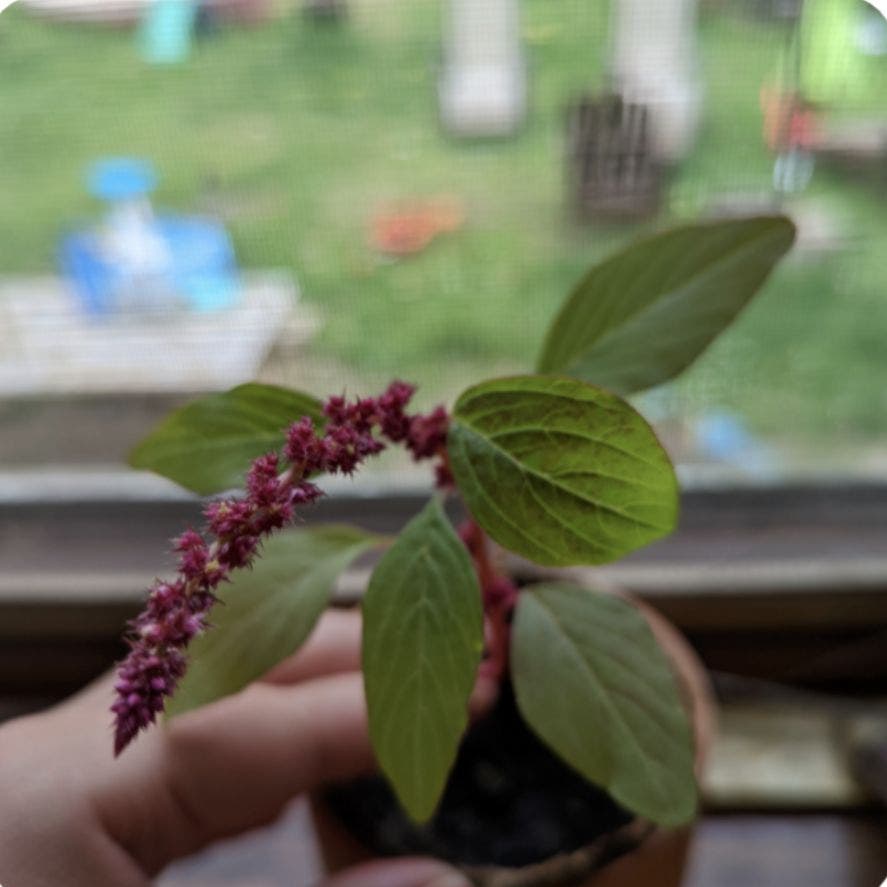
The flowers of green amaranth are typically found in dense clusters. They can range in color from green to purple, adding visual interest to the plant during its blooming phase.
As we explore the next stage, the focus will shift to seed production, where the culmination of the flowering process leads to the formation of seeds essential for future growth.
Seed Production Stage
Duration of Seed Production 🌱
The seed production stage lasts about 3 to 4 weeks after flowering. This period is crucial as it marks the transition from beautiful blooms to the formation of seeds.
Characteristics of Mature Seeds 🌾
Mature seeds of green amaranth are small, round, and dark in color. Their compact size makes them easy to handle and store.
These seeds are remarkably resilient; they can remain viable for several years if stored correctly. This longevity is vital for ensuring the species continues to thrive in various environments.
Seed production is not just about survival; it plays a significant role in providing food sources. The seeds are nutritious and can be a valuable addition to diets, showcasing the plant's importance beyond its lifecycle.
As we delve deeper into the lifecycle of green amaranth, we can see how each stage contributes to its growth and sustainability. Next, we will explore the growth rate and maturation of this remarkable plant.
Growth Rate and Maturation
How Long Until Fully Grown? 🌱
Green Amaranth typically takes about 6 to 10 weeks to reach maturity from seed. This rapid growth makes it an appealing choice for gardeners looking for quick results.
Factors Affecting Growth Speed 🌡️
Several factors influence how quickly Green Amaranth grows. Environmental conditions, such as temperature, soil quality, and moisture levels, play a crucial role in its development.
Genetic factors also contribute to growth variability. Different strains of Green Amaranth may exhibit distinct growth rates, impacting overall maturation time.
Comparison with Other Fast-Growing Plants 🌿
When comparing Green Amaranth to other fast-growing annuals like radishes and lettuce, it stands out for its versatility. While radishes can mature in as little as 3 weeks, Green Amaranth offers a balance of speed and yield.
In terms of growth rate metrics, Green Amaranth typically falls in the middle range among fast-growing plants. Understanding these timelines can help gardeners plan their planting schedules effectively.
As we explore the notable changes throughout the lifecycle of Green Amaranth, we’ll see how its growth stages impact its overall health and productivity.
Notable Changes Throughout Lifecycle
🌱 Visual Changes in Plant Structure
As green amaranth matures, it undergoes significant visual transformations. The transition from seedling to mature plant is marked by increased height and denser foliage, creating a lush appearance.
During the flowering and seed production stages, the plant develops dense clusters of flowers. This not only enhances its visual appeal but also signals the beginning of seed formation, which is crucial for the plant's lifecycle.
🥗 Changes in Nutrient Requirements
With growth comes the need for more nutrients. Green amaranth experiences an increased demand for nitrogen and phosphorus during its vegetative and flowering stages.
To support this growth, soil amendments become essential. Fertilization at different growth stages ensures the plant remains healthy and productive.
🌍 Environmental Adaptations During Growth Stages
Green amaranth is known for its adaptability. It thrives in various soil types and conditions, making it a versatile choice for gardeners.
Moreover, this plant exhibits remarkable resilience. Its tolerance to drought and poor soil conditions allows it to flourish even in challenging environments, showcasing its robust nature.
These notable changes throughout the lifecycle of green amaranth highlight its dynamic growth and adaptability. Understanding these aspects can enhance your gardening experience and appreciation for this remarkable plant. Next, we will explore the growth rate and maturation of green amaranth, delving into how long it takes to reach full maturity.
⚠️ Safety First
This content is for general information and may contain errors, omissions, or outdated details. It is not medical, veterinary advice, or an endorsement of therapeutic claims.
Always consult a qualified healthcare professional before using any plant as food, medicine, or supplement.
Never eat any plant (or feed one to pets) without confirming its identity with at least two trusted sources.
If you suspect poisoning, call Poison Control (800) 222-1222, the Pet Poison Helpline (800) 213-6680, or your local emergency service immediately.
Spotted an error? Please report it here.
Unlock the secrets of green amaranth's lifecycle 🌱 and let Greg guide you with custom watering reminders to ensure your plants flourish from seed to harvest!