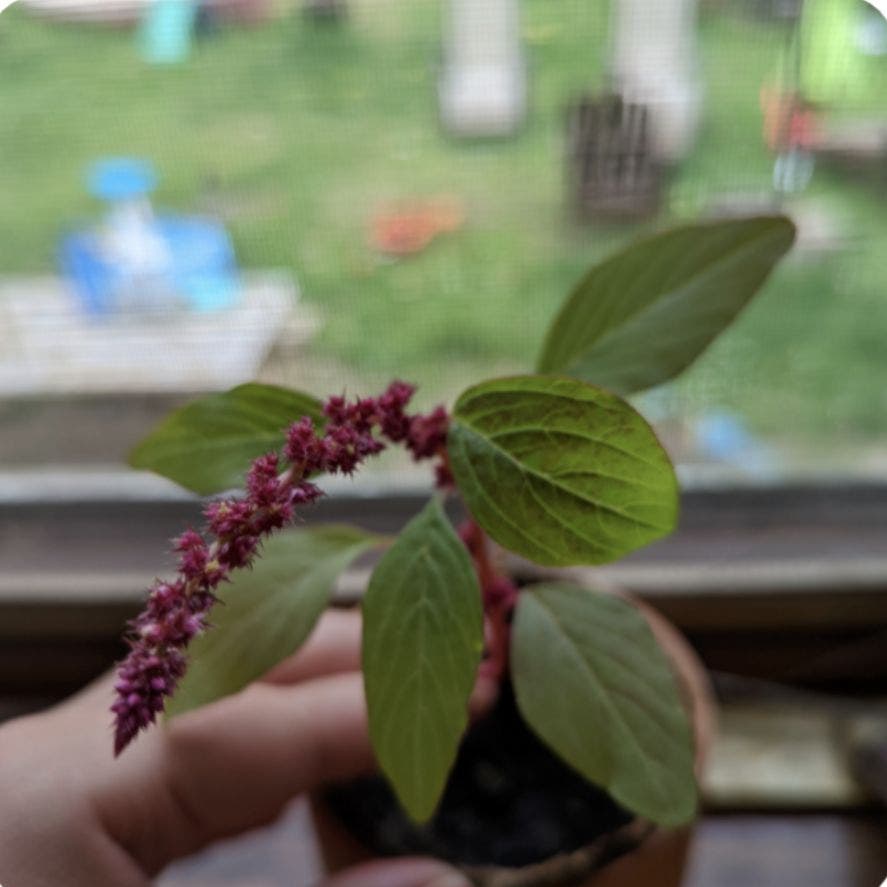
Step-by-Step Guide to Green Amaranth Growth
Amaranthus chlorostachys
By the Greg Editorial Team
Nov 23, 2024•5 min read
This article was created with the help of AI so we can cover more plants for you. May contain errors. See one? Report it here.
Discover how to cultivate lush green amaranth 🌱 with essential growth tips for a thriving garden!
- 🌱 Green amaranth grows rapidly, reaching full size in just 60 to 90 days.
- 🌞 Optimal conditions like soil quality and light are crucial for healthy growth.
- ✂️ Pruning and spacing enhance growth control, ensuring a thriving garden.
Growth Characteristics
Mature Height and Spread 🌱
Green amaranth typically reaches a mature height of 2 to 4 feet and can spread up to 3 feet wide. Understanding these dimensions is crucial for effective garden planning, especially when considering the space available.
Different growing conditions can significantly affect these measurements. For instance, plants in nutrient-rich soil with ample sunlight may grow taller and wider compared to those in less favorable environments.
Growth Rate and Time to Maturity ⏳
One of the most appealing aspects of green amaranth is its rapid growth rate. You can expect full size within 60 to 90 days, making it a rewarding choice for gardeners eager to see quick results.
Several factors influence this growth rate, including soil quality, light exposure, and water availability. Here’s a quick breakdown of the growth stages:
- Germination: 7-14 days
- Seedling stage: 2-4 weeks
- Vegetative growth: 4-8 weeks
- Maturity: 60-90 days
Size Variability Based on Environmental Conditions 🌍
The size of green amaranth can vary greatly depending on environmental factors. Soil quality plays a significant role; nutrient-rich soils promote healthier, larger plants, while poor soils can stunt growth.
Additionally, pH levels affect nutrient availability, impacting overall plant health. Light exposure is another critical factor; plants in full sun typically grow taller and wider than those in partial shade.
Water availability also influences size control. Overwatering can lead to root rot, while underwatering may stunt growth. Balancing these elements is key to achieving optimal size and health for your green amaranth.
Understanding these growth characteristics will help you cultivate a thriving garden. Next, we’ll explore the various varieties of green amaranth and their unique growth potential.
Varieties and Their Growth Potential
🌱 Dwarf Varieties
Dwarf amaranth varieties typically reach a height of just 1 to 2 feet. These compact plants thrive in well-drained soil and require full sun to flourish.
Dwarf varieties are perfect for smaller gardens or container gardening, allowing you to maximize space without sacrificing beauty. Their manageable size makes them an excellent choice for urban gardeners looking to add a pop of color to balconies or patios.
🌳 Giant Varieties
On the other end of the spectrum, giant amaranth varieties can exceed heights of 5 feet. These towering plants create a stunning visual impact, making them ideal for landscaping projects that aim for dramatic effects.
When growing giant varieties, consider the space they will occupy and provide adequate support to prevent them from toppling over. Their impressive stature can serve as a focal point in any garden, but planning is key to ensure they thrive without overwhelming the surrounding plants.
As you explore the diverse world of amaranth, understanding these varieties will help you choose the right one for your gardening needs. Next, let’s dive into size control techniques to help you manage your amaranth plants effectively.
Size Control Techniques
🌿 Pruning Methods
Pruning is essential for controlling the height and spread of green amaranth. It helps maintain a manageable size while promoting bushier growth.
To effectively prune your plants, consider these techniques:
- Pinching Back Tips: This encourages the plant to branch out, resulting in a fuller appearance.
- Timing: Prune early in the growing season for the best results.
- Tools: Use clean, sharp shears to make precise cuts and prevent damage.
The difficulty of these pruning techniques is moderate, making them accessible for most gardeners.
📏 Other Techniques to Control Growth
In addition to pruning, several other methods can help manage the size of your green amaranth.
- Stakes or Supports: For taller varieties, using stakes can provide necessary support and prevent bending or breaking.
- Spacing Considerations: Proper spacing between plants allows each one to grow to its full potential without overcrowding.
- Companion Planting: Strategically planting compatible species nearby can influence growth dynamics, helping to control size naturally.
By implementing these techniques, you can effectively manage the growth of your green amaranth, ensuring a thriving garden that fits your space perfectly. Next, we’ll explore the environmental factors that affect growth, including temperature and nutrient availability.
Environmental Factors
🌡️ Temperature Effects
For green amaranth to thrive, the ideal temperature range is between 70°F to 85°F (21°C to 29°C). Outside this range, plants may struggle, leading to stunted growth or excessive height.
Extreme temperatures can significantly impact both height and spread. High heat can cause plants to bolt, while cold snaps may stunt their growth. To protect your plants, consider using row covers during chilly nights or providing shade during heat waves.
🥦 Nutrient Availability
Balanced fertilization is crucial for robust growth in green amaranth. Nutrient deficiencies can lead to visible symptoms that hinder plant development.
- Nitrogen deficiency often results in stunted growth and pale leaves, signaling that your plants are not getting enough of this essential nutrient.
- Phosphorus deficiency can manifest as poor root development and reduced overall size, making it vital to monitor nutrient levels.
To enhance size and health, regularly test your soil and amend it with appropriate fertilizers. This proactive approach ensures your green amaranth reaches its full potential, thriving in your garden.
With a solid understanding of environmental factors, you're well on your way to cultivating healthy green amaranth. Next, let's explore size control techniques to help you manage your plants effectively.
⚠️ Safety First
This content is for general information and may contain errors, omissions, or outdated details. It is not medical, veterinary advice, or an endorsement of therapeutic claims.
Always consult a qualified healthcare professional before using any plant as food, medicine, or supplement.
Never eat any plant (or feed one to pets) without confirming its identity with at least two trusted sources.
If you suspect poisoning, call Poison Control (800) 222-1222, the Pet Poison Helpline (800) 213-6680, or your local emergency service immediately.
Spotted an error? Please report it here.
Cultivating green amaranth is thrilling 🌿 when you leverage Greg's tailored care reminders and expert tips to help your plants flourish in any environment!